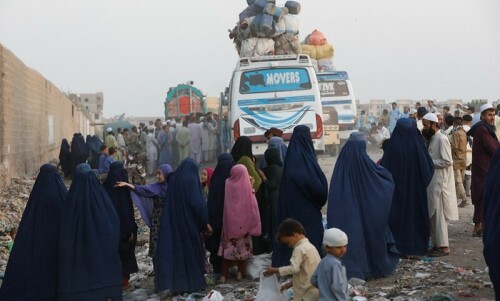
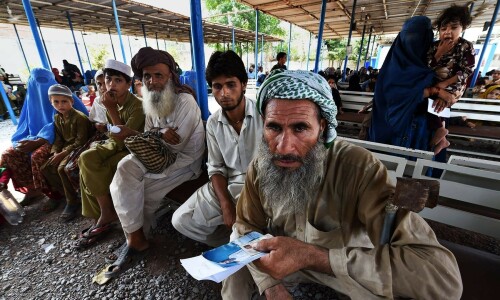
REFUSING to budge from the Oct 31 deadline, which ended last night, Pakistan is looking to deport an estimated 1.7m ‘illegal’ Afghan immigrants, along with other undocumented foreigners.
Condemnation, criticism and concern from both within the country and abroad have fallen on deaf ears. What will happen to the millions of Afghans who sought shelter in a country they had come to call home for decades?
They fled hostile conditions back in Afghanistan, where foreign and civil wars, both, were fought over the years, and where a deeply conservative Taliban regime awaits them upon return.
Fears of persecution run rampant among the droves of Afghans who were heartlessly provided less than 30 days to pack up the lives they had built in Pakistan, some over generations. All they have been allowed to take with them is Rs50,000 per family. Among those to have had it the worst, first in their country of origin and until recently, their country of refuge, are the Hazaras.
Major clashes with the Taliban when they first came into power in Afghanistan, drove the ethnic minority out, and here too, they suffered religious persecution, only to be driven out again.
The decision has led to “harassment, assault, and arbitrary detention” of Afghans, according to Human Rights Watch. Even those registered with UNHCR are not immune and must bribe their way out.
The state, in its zeal to safeguard security interests, seems to have overlooked the significant economic ramifications of such an abrupt exit. The contribution of Afghans to various sectors, including agriculture, construction and informal labour markets warrant serious consideration. Many established small businesses contributing to local economies and sent remittances back home.
Their deportation could disrupt these economic flows and harm businesses reliant on their patronage. Afghans over time also invested in real estate.
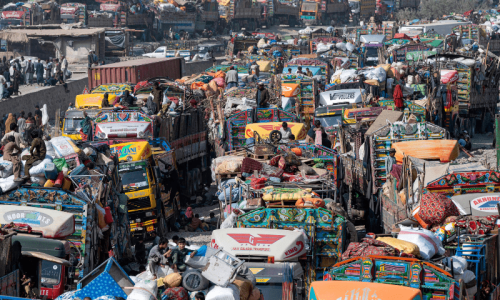
Their departure might result in a surplus of properties in certain areas, potentially affecting property values and the real estate market. Furthermore, they have played a vital role in cross-border transportation of goods and services.
Their removal could disrupt supply chains and impact the cost of goods, particularly in border regions. The deportation of Afghans will also likely further strain relations with Afghanistan and impact regional connectivity.
While the state may have valid concerns, it must strike a balance between national security and the preservation of economic stability and inclusivity.
Published in Dawn, November 1st, 2023