THE headline CPI inflation declined to a 34-month low in August to 9.6pc, providing more space to the State Bank for the third consecutive policy rate cut later this month.
That the CPI inflation has finally eased below 10pc into single-digit territory on decreasing prices of non-perishable goods and a high base effect from last year does not mean prices have started to drop or stopped from rising. Far from it. The end to the sufferings of the common man are not yet in sight. Even though the year-over-year CPI reading has massively fallen, it did edge up slightly from July as it rose by 39bps month-over-month.
The average inflation rate for 2MFY25 stands at 10.4pc, a substantial decrease from the 27.8pc average of 2MFY24. WPI also reached a nearly four-year low of 6.3pc in August, with a minor monthly uptick, underlining a slower rise in the pace of increase in the prices of items consumed by lower economic strata of the population.
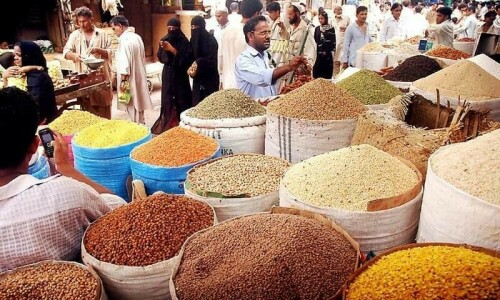
However, core inflation, which excludes food and energy prices, remains in double digits as urban core inflation came at 10.2pc in August, the lowest level in 27 months, while rural core inflation was reported at 14.4pc, lowest in 26 months. The deceleration is primarily due to falling food prices in urban and rural areas. In August, a sharp drop in the prices of wheat, wheat flour, wheat products, and vegetables like tomatoes was witnessed and food inflation, which was in hyperinflationary territory last year, clocked in at 2.4pc YoY with a 1.4pc MoM uptick.
This ongoing trend of declining inflation has strengthened the case for the central bank to continue its monetary easing cycle. Many are anticipating a reduction of 150 basis points in the key policy rate to 18pc in September. The short-term secondary market yields are already trading approximately 200bps below the existing policy rate of 19.5pc. The cut in the interest rates will reduce the government’s growing burden of domestic debt servicing as well as lessen the financial costs of private corporate borrowers.
While falling inflation is a welcome development, its future trajectory largely depends on how the authorities manage their fiscal house. With the state not in a mood to slash expenditure and tax collection falling significantly short of the target for the first two months of the present fiscal year, the FBR is reported to be considering raising consumption tax from October in case the revenue hole continues to expand during this month as well.
Any fiscal slippages would have serious implications for inflation outlook and monetary policy. The other determinant of near-term inflation outlook is timely disbursement of multilateral and bilateral loans — and their quantum. In the given circumstances, the ‘victory statement’ against inflation by the prime minister is a little premature.
Published in Dawn, September 4th, 2024