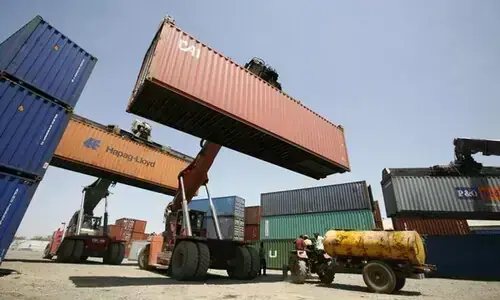
ISLAMABAD: Exports of non-textile products dipped by 17.32 per cent to $7.286 billion in the first seven months of the current fiscal year from $8.812bn, largely attributed to a steep reduction in exports of agricultural produce and value-added shipments.
The contraction reflects mounting pressure on key sectors, especially agriculture-based products, which have struggled with lower volumes and weaker external demand.
Analysts suggest that without a rebound in value-added products, overall export performance may remain under pressure in the coming months.
However, paltry growth was recorded in leather, footwear, and engineering products in 7MFY26 compared with a year ago, according to data compiled by the Pakistan Bureau of Statistics.
Proceeds slump to $7.3bn on poor agriculture sector performance
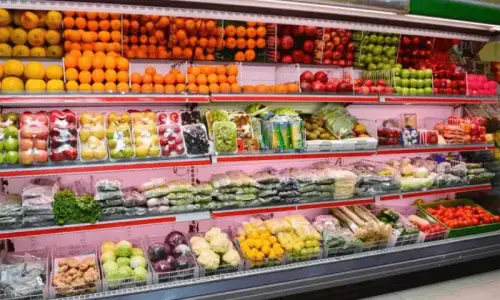
The agriculture sector bore the brunt of the slowdown, with rice exports suffering the steepest setback. During the first seven months of FY26, the value of rice exports plunged by 40.51pc to $1.305bn on a year-on-year basis.
The decline was not limited to prices alone. Export volumes also fell sharply, dropping 32.94pc YoY to 2.439 million tonnes. The decline was observed across basmati and non-basmati varieties.
The dual fall in both value and quantity points to a combination of lower international prices and weaker demand in key markets. In response, the government has unveiled a Rs15 billion subsidy package aimed at stabilising the sector and supporting exporters.
In contrast to the contraction in agriculture, parts of the non-agricultural sector posted paltry gains during the review period.
Exports of engineering goods rose by 5.85pc in the first seven months of FY26 compared with the same period a year earlier.
The expansion was driven by higher shipments of industrial machinery, transport equipment, electric fans, auto parts and rubber tyres.
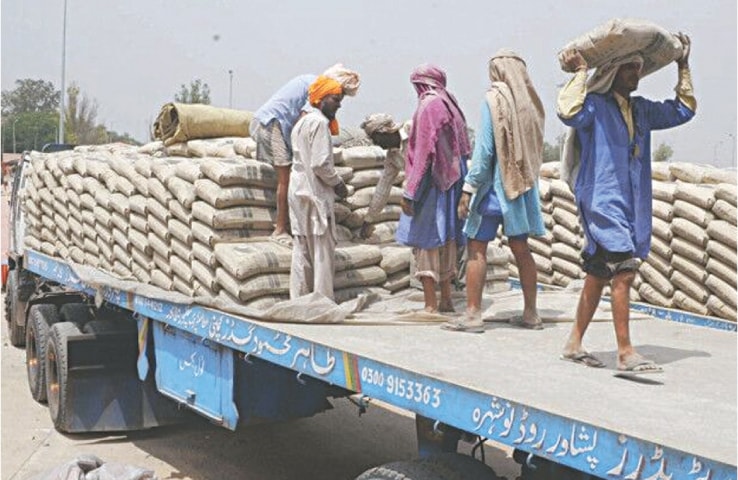
Cement exports also showed resilience in volume terms. During the first seven months of the current fiscal year, export quantities edged up by 0.33pc YoY. In value terms, however, growth was more pronounced, with cement exports rising by 9.91pc over the same period.
Despite the increase, exporters say momentum has been constrained by logistical disruptions. The prolonged closure of the Torkham border since October has slowed shipments to Afghanistan, one of Pakistan’s largest cement markets.
In the footwear segment, export performance was mixed. Overall footwear exports rose by 3.51pc during the period under review, largely supported by a sharp 32.09pc surge in shipments categorised as other footwear. The increase in this segment helped offset declines in traditional categories. Leather footwear exports fell by 2.55pc, while the steepest contraction was recorded in canvas footwear, where exports dropped by 52.04pc.
The broader leather manufacturing sector showed marginal improvement.
Exports in this category inched up by 0.04pc during the first seven months of the current fiscal year compared with the same period a year earlier. The slight gain was primarily driven by a 6.65pc rise in leather garments, suggesting some flexibility in value-added products.
In contrast, exports of raw leather declined by 4.37pc, underscoring continued weakness in unprocessed and semi-processed segments.
Pakistan is one of the major suppliers of surgical instruments worldwide. However, the export value of these instruments remained negligible as famous brands re-marketed these in Western countries. It recorded a negative growth of 0.45pc during the months under review.
Published in Dawn, February 22nd, 2026