IEA says 'unconditionally' re-opening Hormuz vital to end energy crisis

Published
0

The head of the International Energy Agency (IEA) says “unconditionally” opening the Strait of Hormuz to Gulf tanker traffic is essential to ending the shock from soaring oil and gas prices to economies worldwide, AFP reports.

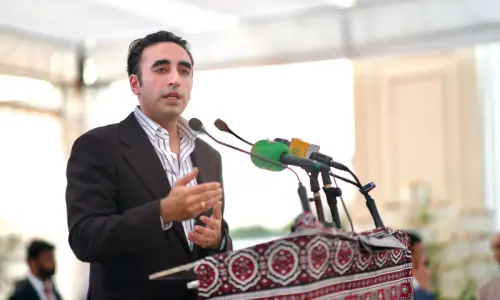
“The single most important solution to this problem is the fully and unconditionally opening up of the state of Hormuz to shipping,” IEA chief Fatih Birol tells a press conference.

Iran had effectively halted tanker traffic through the Strait of Hormuz in retaliation for US and Israeli strikes launched in late February, choking off oil and gas traffic and sending crude prices skyrocketing.

Birol “warmly” welcomes the US-Iran deal, calling it “great news” that “will give comfort to the markets”.

“The crisis has started almost four months now,” the IEA chief, who has previously compared the fallout to the great oil shocks of the 1970s, points out.


Opinion

Editorial

Talks, at last
Updated 03 Oct, 2026

Talks, at last

The government’s constant threats to suspend KP’s elected dispensation over a political protest have escalated hostilities considerably. In that context, both sides did well to start talking.
IWT’s future
Updated 03 Oct, 2026

IWT’s future

TOGETHER with the Kashmir dispute, India’s unilateral suspension of the Indus Waters Treaty has become the biggest...
Pained minds
03 Oct, 2026

Pained minds

IN Pakistan, mental healthcare is wedged between two extremes — a luxury or a stigma. Estimates cited by the...
Risks ahead
Updated 02 Oct, 2026

Risks ahead

To think that the government would rather push out an elected government than grant a single prisoner some facilities does not square up rationally.
Exit from Iraq
02 Oct, 2026

Exit from Iraq

AMERICAN and British troops have once again shipped out of Iraq. On Wednesday, the foreign forces left the Arab...
Lahore’s ozone warning
02 Oct, 2026

Lahore’s ozone warning

LAHORE has received another warning that its air pollution crisis cannot be treated as a problem that begins with...