28 rabies cases reported at one Karachi hospital so far this year

• Indus Hospital officials say nine rabies deaths reported at health facility in 2025
• Seminar organised to promote rabies prevention and timely post-exposure treatment
• Sindh chief secy says increase in reported cases reflects greater public awareness rather than mere rise in incidence
KARACHI: As many as 28 cases of rabies — an invariably fatal disease once clinical symptoms appear — were reported at the Indus Hospital from January to September this year.
This information was shared on Friday at a programme organised by the Indus Hospital & Health Network (IHHN) in connection with World Rabies Day.
During the programme, IHHN officials said a total of 28 cases of rabies had been reported at the hospital so far this year.
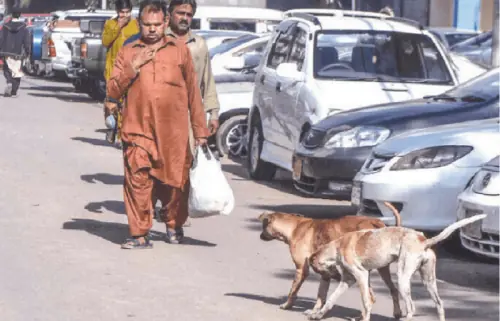
They said more than 14,000 dog-bite cases had been reported at the facility during the same period.
They added that the latest two cases involved a six-year-old girl from Latifabad, Hyderabad, and a four-year-old boy from Dadu. These cases were reported at the hospital on Sept 20 and Sept 27, respectively.
Last year, at least nine rabies deaths were reported at the hospital, they added.
According to officials, Pakistan reports an estimated 2,000 to 5,000 rabies deaths annually, with around 96 per cent linked to infected dog bites.
Since establishing its specialised Rabies Prevention and Training Centre in 2008, IHHN has managed over 150,000 dog-bite cases, expanded free World Health Organisation-standard post-exposure prophylaxis (PEP) treatment across its network, and trained more than 700 medical professionals nationwide.
The day featured a seminar alongside the closing ceremony of a month-long rabies awareness campaign targeting children, parents, and educators. High-ranking government officials, healthcare professionals, public health experts, and community representatives attended the events.
CS stresses timely intervention, awareness
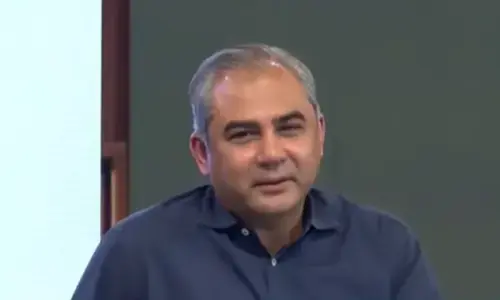
Addressing the seminar as chief guest, Sindh Chief Secretary Syed Asif Haider Shah praised IHHN’s efforts in rabies prevention and control and shared a personal account, emphasising that timely awareness and prompt medical intervention after exposure are critical to saving lives.
Commenting on the surge in reported rabies and dog-bite cases across the province, he noted that increased reporting reflects rising public awareness rather than a mere escalation in incidence. He reiterated the provincial government’s resolve to collaborate with healthcare providers to achieve the global “Zero by 30” target, aiming to end human deaths from dog-mediated rabies by 2030.
‘Rabies is 100pc vaccine-preventable’
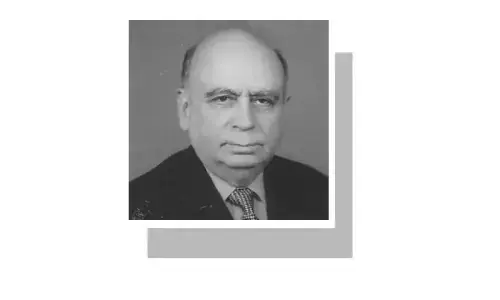
“Rabies is 100 per cent vaccine-preventable, if people act immediately and seek medical assistance before the symptoms start,” IHHN President and Chief Executive Officer Dr Abdul Bari Khan said, reiterating the network’s resolve to work hand in hand with the government of Sindh, the WHO and international partners to eliminate the disease from Pakistan. Highlighting institutional progress, Technical Lead for Rabies Prevention Services at IHHN, Muhammad Aftab Gohar, stated that under the SAFE Sindh Programme, IHHN served as the technical advisor to the provincial government.
“Through its training model, the network has already trained 160 healthcare providers from over 90 anti-rabies referral centres as master trainers, with a target to cover 112 referral units across Sindh,” he said.
During the seminar, certificates were awarded to the top 30 master trainers, recognising their role in standardising PEP care province-wide.
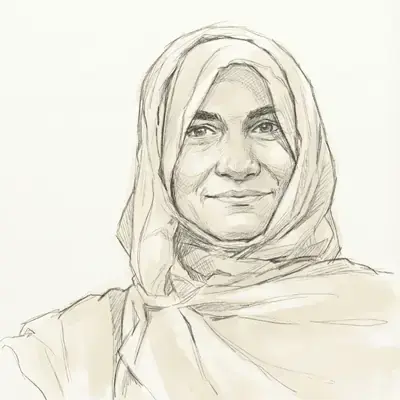
The seminar also paid tribute to the late Professor Naseem Salahuddin for her pioneering efforts in laying the foundation for modern rabies prevention services in Pakistan.
Prominent attendees at the seminar included guest of honour Tahir Hussain Sangi, Secretary Health Sindh; Dr Saeed Ahmed Jalbani, Deputy Director General Health; Prof Syed Zafar Zaidi, Dean of Indus University of Health Sciences; Dr Shafiq Haider, Head of Campus; and Dr Iftikhar Salahuddin.
Earlier in the day, IHHN concluded its month-long school and community outreach drive across high-risk areas of Karachi and Badin. The campaign reached nearly 10,000 students and over 300 teachers with information on wound care, dog-bite prevention, and animal kindness.
The closing event featured interactive edutainment programmes, a puppet show, a quiz competition and certificate distribution for participating schools.
Published in Dawn, October 3rd, 2026