Sahib Dino Mallah, weaver of the khes, keeper of the loom, dies at 66
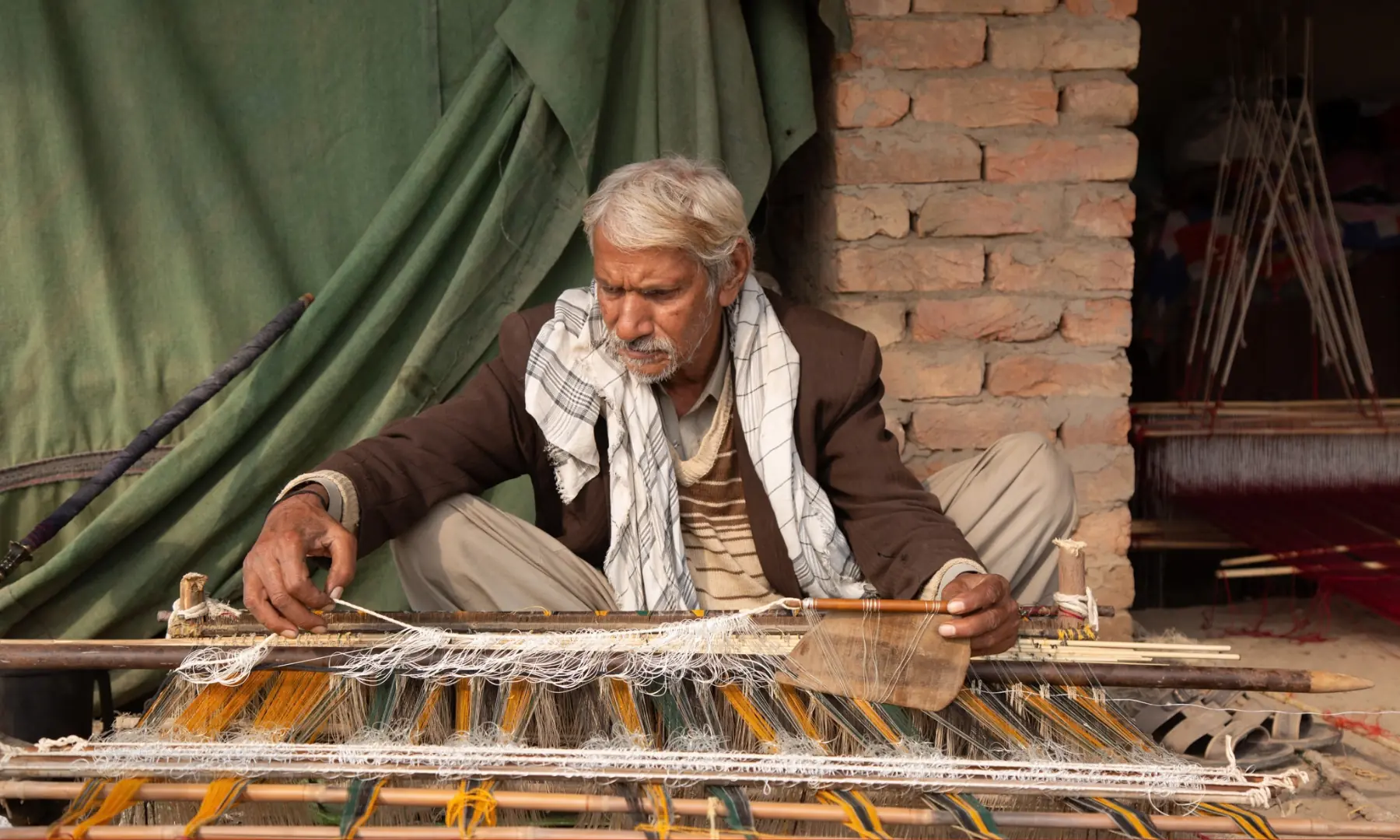
Sahib Dino Mallah, one of Sindh’s extraordinary master weavers and a recipient of the President’s Award for Pride of Performance, passed away on Thursday evening in the village of Anb Sharif, Tehsil Sobho Dero. With him, we have lost not simply a maker of beautiful textiles, but a remarkable repository of knowledge about khes and lungi weaving, the construction and adaptation of the pit loom, and a technological tradition sustained and transmitted through generations.
Only a day ago, while he was in hospital, I was gathering the scattered records of his life and work for a nomination recognising more than fifty years of him as a master weaver.
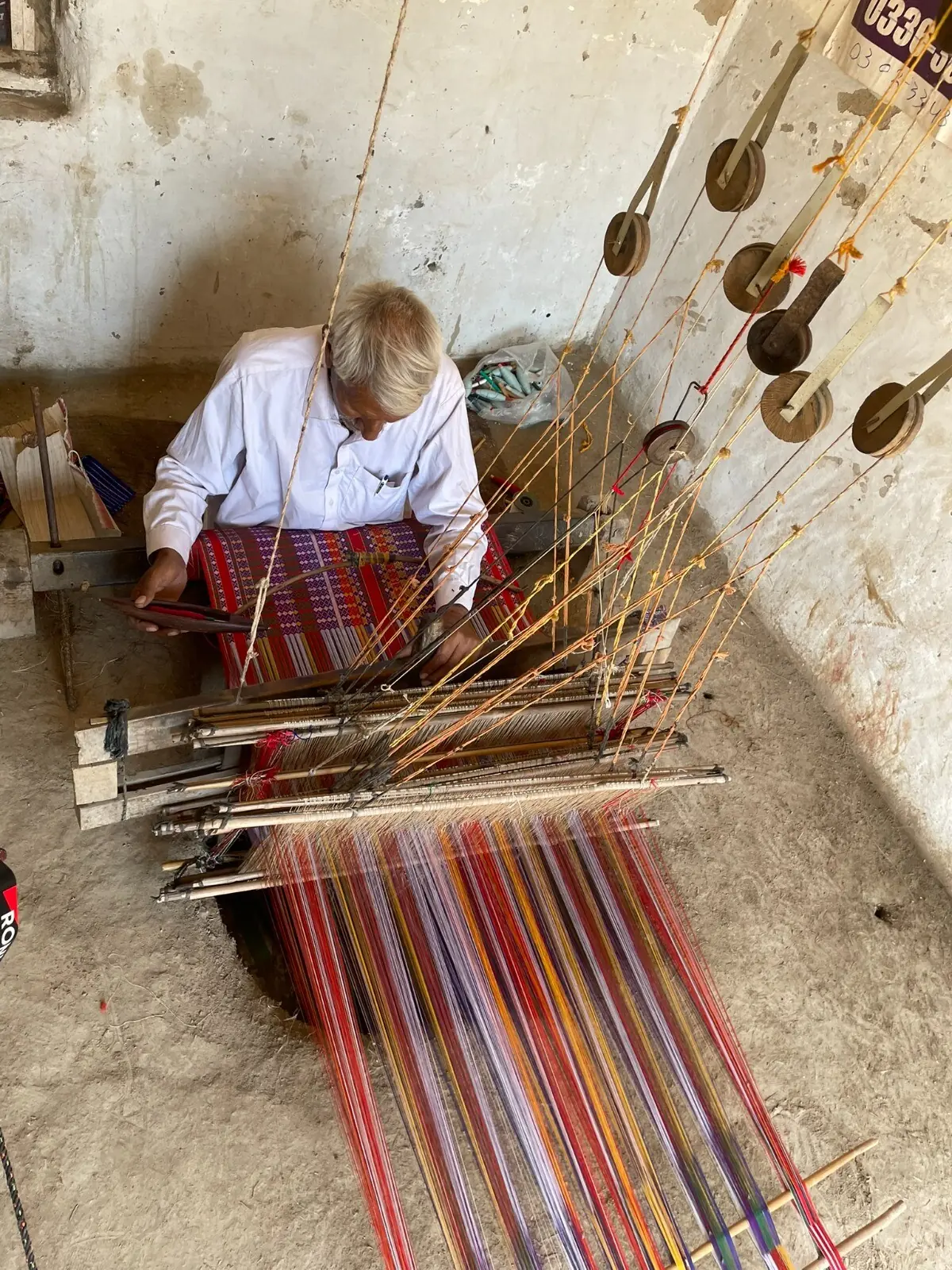
Sahib Dino was born in 1960 and began learning from his father as a child before he went on to work independently in 1975. All these years, he practised, developed and taught his craft from his village in Khairpur, Sindh. His knowledge extended far beyond weaving a finished cloth. He knew how to construct the loom, make and modify its tools, configure it for different structures, solve its technical problems, and teach this entire system to another person.
He shared that knowledge generously. He trained younger artisans across his village and surrounding communities, including weavers who later carried this knowledge into educational institutions. He also taught women to weave in a community where their textile work had traditionally centred on spinning. Among those who learned through him were artisans who subsequently received recognition in their own right.
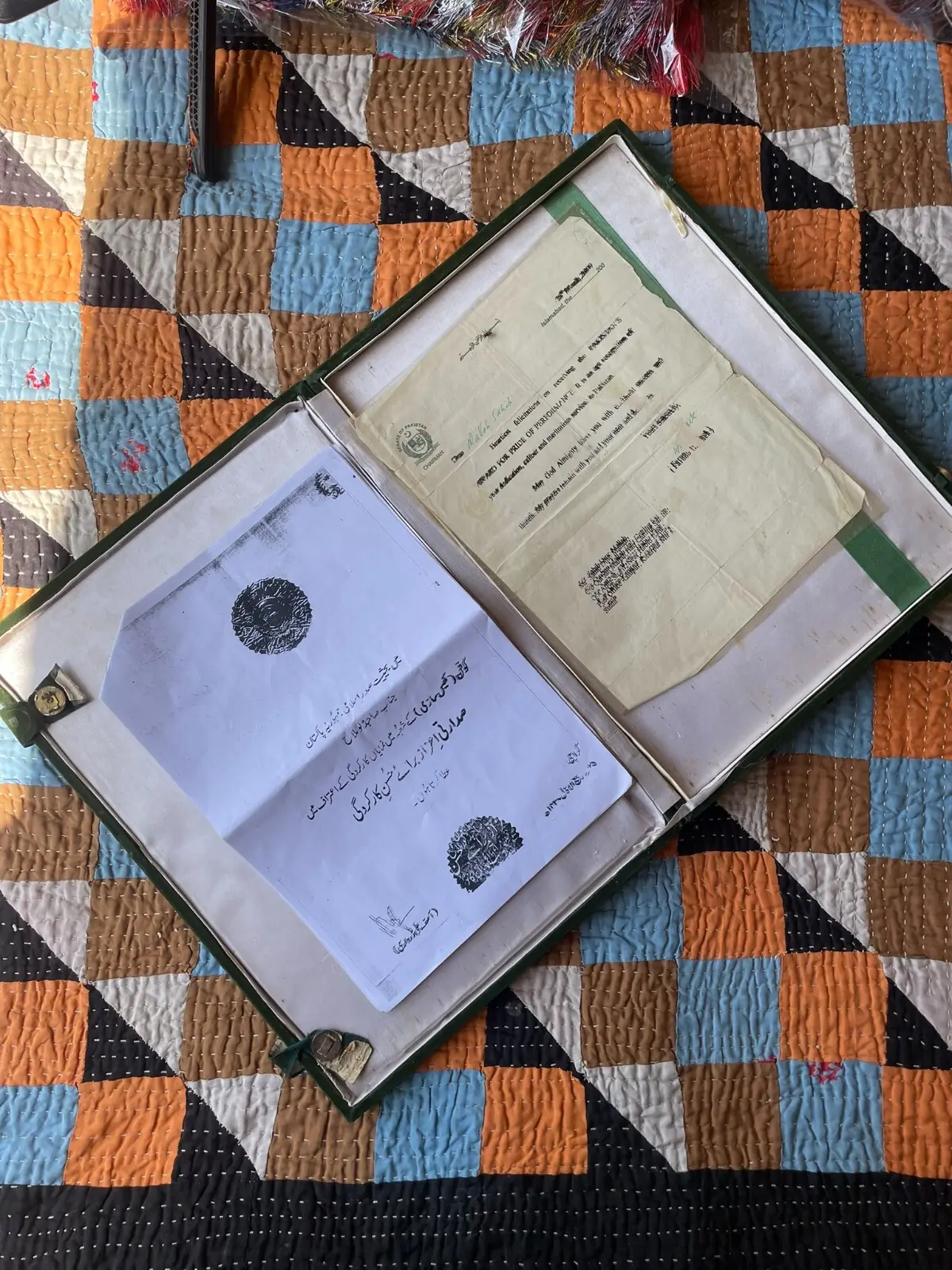
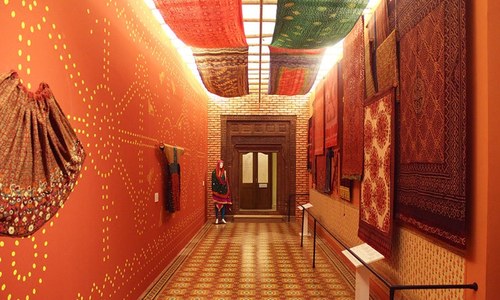
Over the years, his knowledge also found its way beyond his village. He was invited to teach at the Centre of Excellence in Art & Design at Mehran University of Engineering & Technology, and demonstrated his craft at Lok Virsa, Mohatta Palace and other major cultural platforms. He personally presented his handwoven pieces to Zulfikar Ali Bhutto, Benazir Bhutto and Sehba Musharraf, who wore his work. In 2009, he received the President’s Award for Pride of Performance.
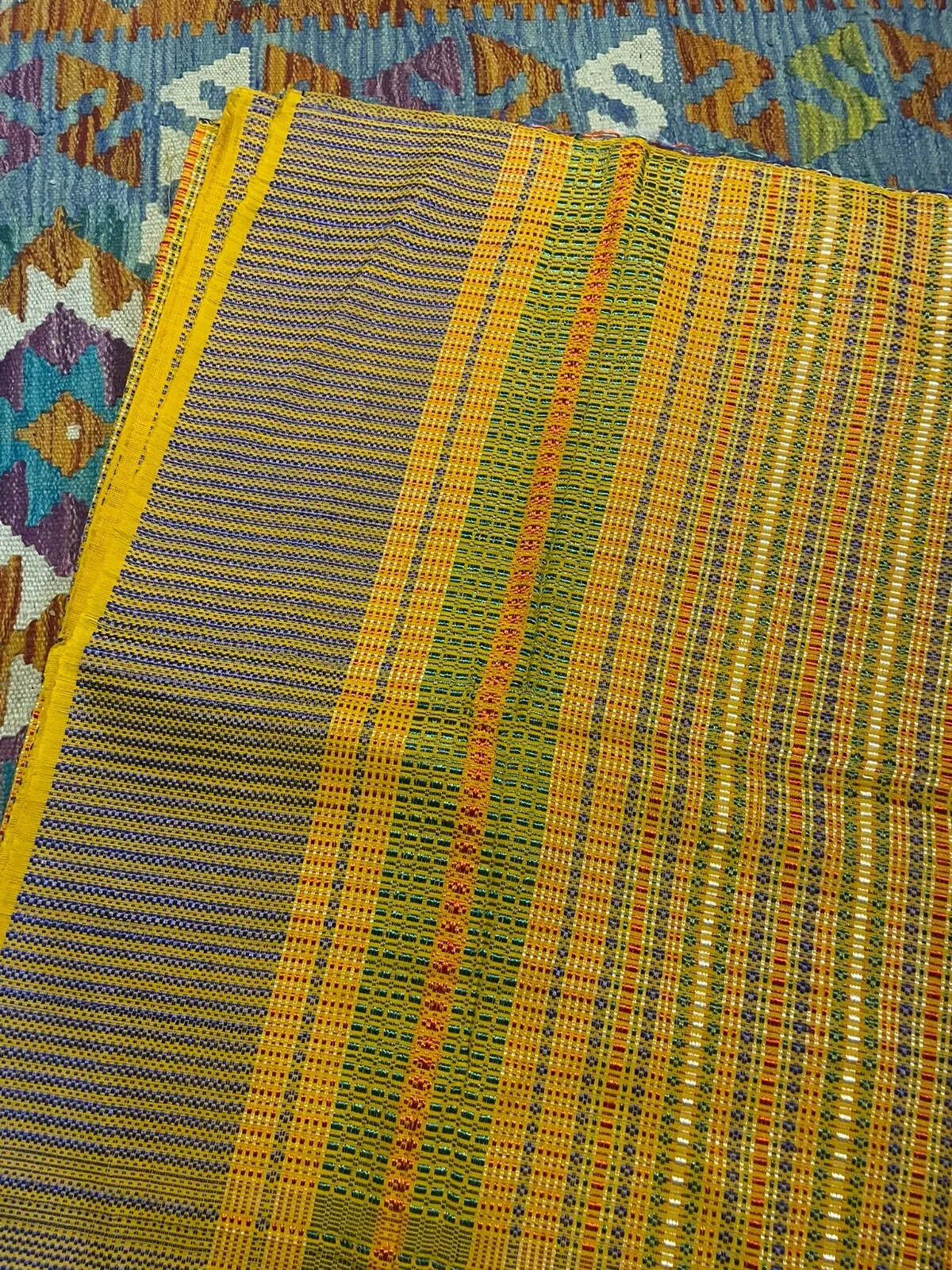
And yet recognition did not translate into security.
When I visited Sahib Dino in January 2024, this nationally recognised master was working on other people’s looms for daily wages. He had little direct access to markets and sometimes lacked the resources even to purchase thread to weave his own khes. When I met him again in March 2025, his health had deteriorated further and work had become increasingly scarce.
What remains with me most strongly, however, is what he asked for whenever we discussed what might help him. He did not speak to me primarily about money, a better house or personal comfort. Again and again, he asked to be connected with educational institutions so that he could teach younger people. He dreamt of a small place in his village where people could come to learn from him and other master artisans, so that knowledge accumulated over lifetimes could continue into lives that came after theirs.
He did not live to see that happen.
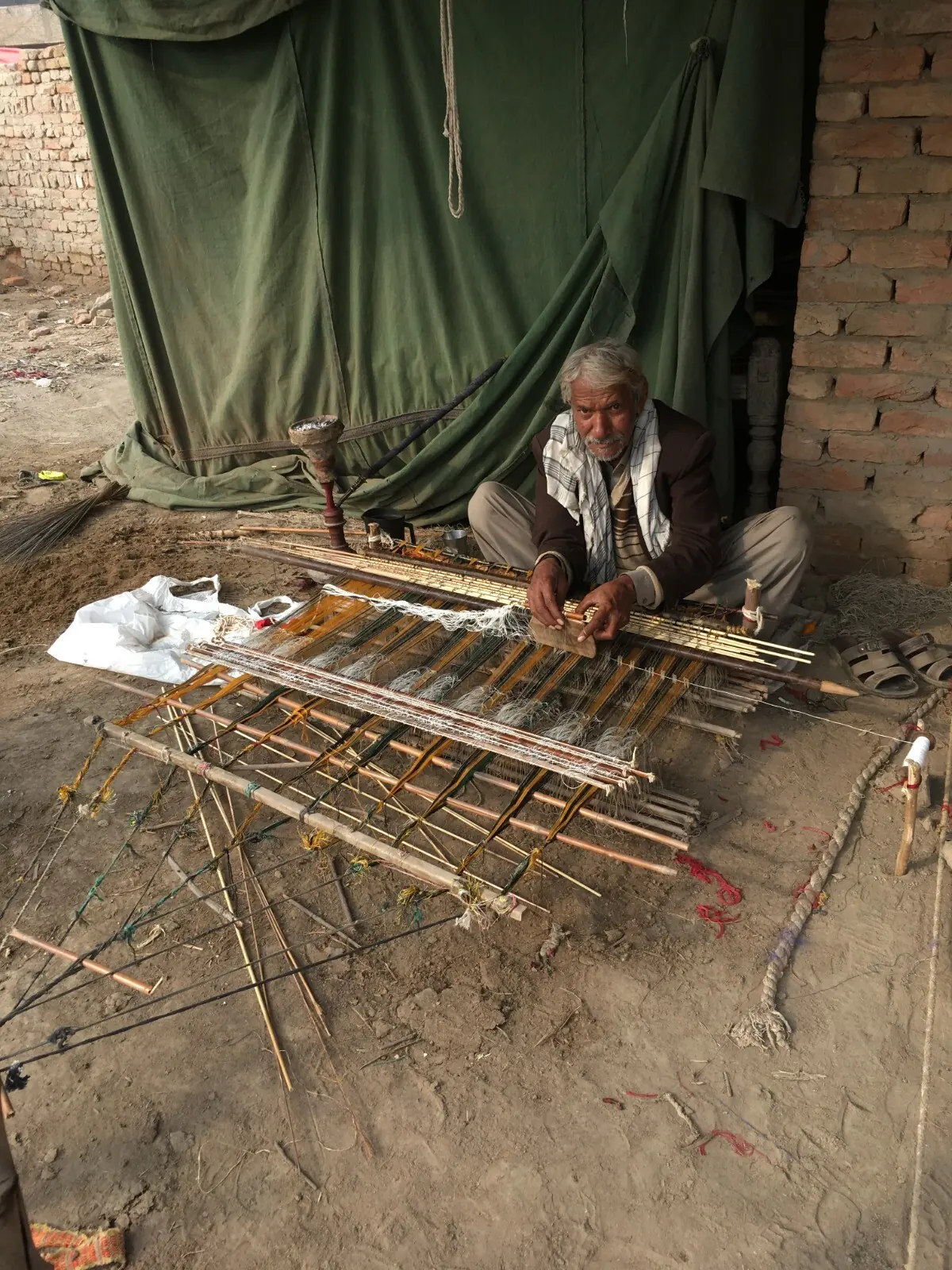
There is something deeply troubling about celebrating master craftspeople through certificates and awards while allowing the conditions that sustain their knowledge to disappear around them. A tradition does not survive because we photograph its objects, exhibit its textiles or honour its practitioners after they are gone. It survives when the people carrying that knowledge can live from it and pass it on with dignity.
Sahib Dino spent decades doing his part. Even while struggling himself, he continued imagining a future for the craft beyond his own lifetime. He has gone, but his loom, workshop, family, students and community remain. Our responsibility, therefore, does not end with mourning him.
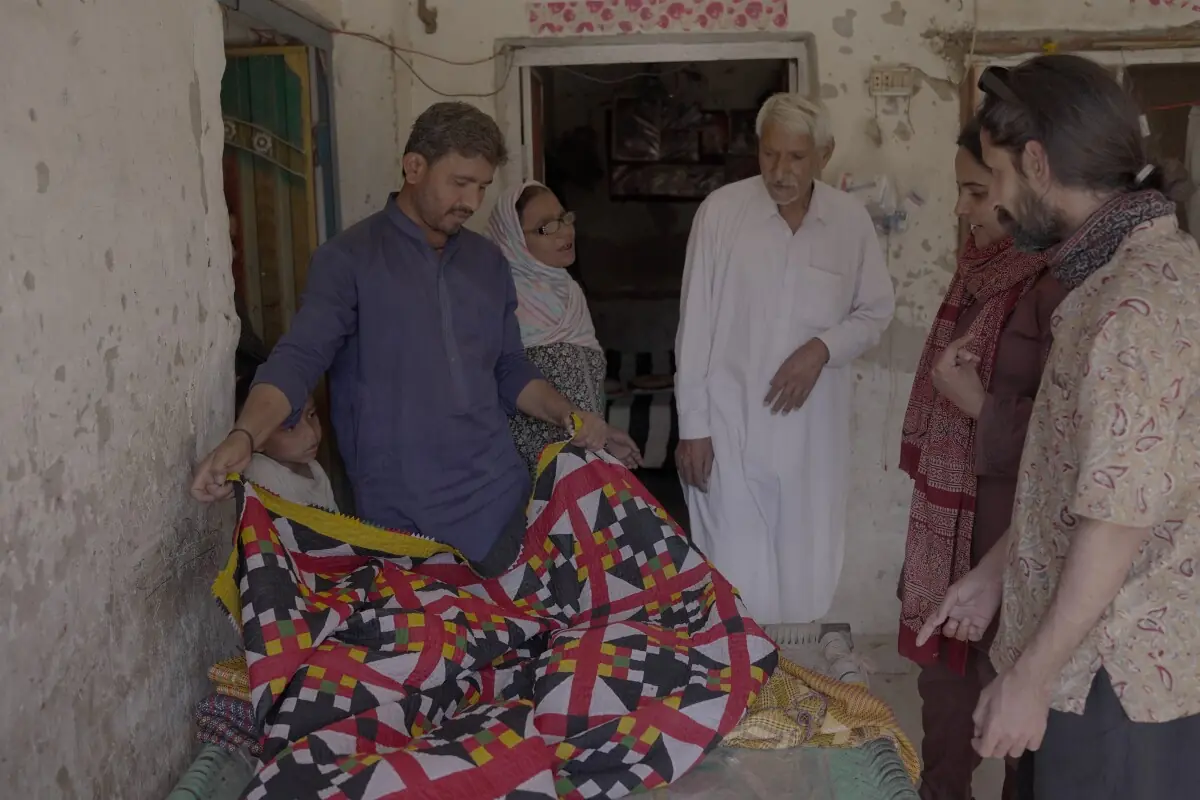
What we can still do is refuse to let his family, his workshop, his community and the knowledge he spent a lifetime transmitting become another obituary a few years from now. What that responsibility requires—from our cultural institutions, governments, museums, universities and markets, and from those of us who work with craft—is a question that should remain with us beyond the mourning of today.
Today, Pakistan has not simply lost a master weaver. A library of hands, memory and knowledge has fallen silent. And perhaps the most painful part is knowing that, while it was still speaking to us, asking only for the chance to pass itself on, we did not listen closely enough.
All images by the author.
The writer is a multidisciplinary artist, writer and researcher. He is the co-founder and creative director of @aangan.bazaar