In Swat, a group of brave women is ensuring no suspected Covid-19 case goes undetected


With fatalities from the coronavirus pandemic on the rise and the general public in a state of uncertainty and fear, doctors, healthcare workers and police have been widely appreciated for being on the frontline of the fight against the seemingly unstoppable disease.
Away from the media limelight, however, a group of women in Swat valley have been at work, quietly but effectively, to help control the spread of Covid-19 in their communities.
Even before the virus had entered Khyber Pakhtunkhwa and was still enveloping other parts of the world, the lady health workers (LHWs) in Swat — where 73 cases have been confirmed as of April 16 — started visiting each and every house in their vicinity to collect the data of expatriates returning from abroad.
“On the directives of the district health officer, we started a two-fold activity in Swat — tracing and collecting data of the newly arrived expatriates from abroad and identifying locals with symptoms linked to Covid-19. We collect the data and report it to our office immediately,” said Naheed Bibi, one of the LHWs serving in Swat.
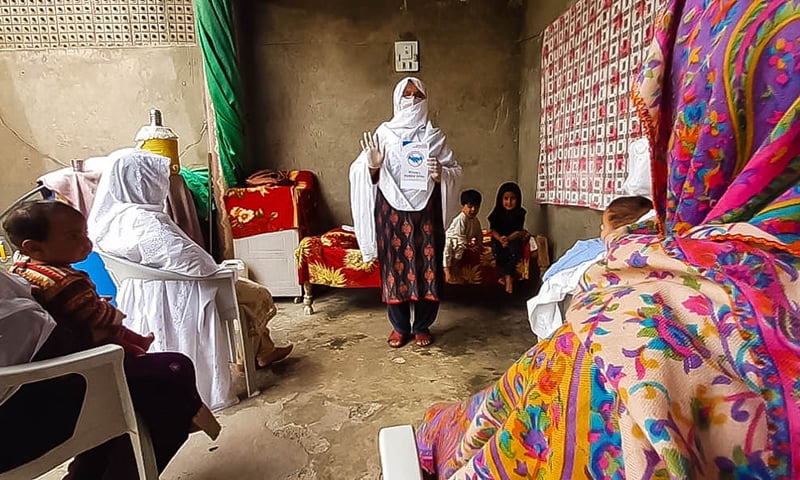
She said initially, people in rural areas did not believe in the coronavirus outbreak and considered it to be "some conspiracy hatched to kill people and accumulate money from foreign countries".
“When the lockdown was imposed we faced resistance from the community as many residents of rural areas were hesitant and did not let us enter their houses, accusing us (LHWs) of being some spies who wanted to kill them through poisonous injections under the pretext of the coronavirus,” Bibi recalled, adding that the LHWs remained determined and gradually cleared the villagers' misconceptions after which they started giving information.
Asma Khan, another LHW who is a resident of Bara Bandai village in Kabal tehsil, sets out for tracing and identification of people with Covid-19 symptoms early in the morning and remains in the field until she completes her daily task.
“Although the majority of people cooperate with us and provide us with true information, some people hide details if they have symptoms of flu, cough or fever. However, we manage to get information through different tactics,” she said.
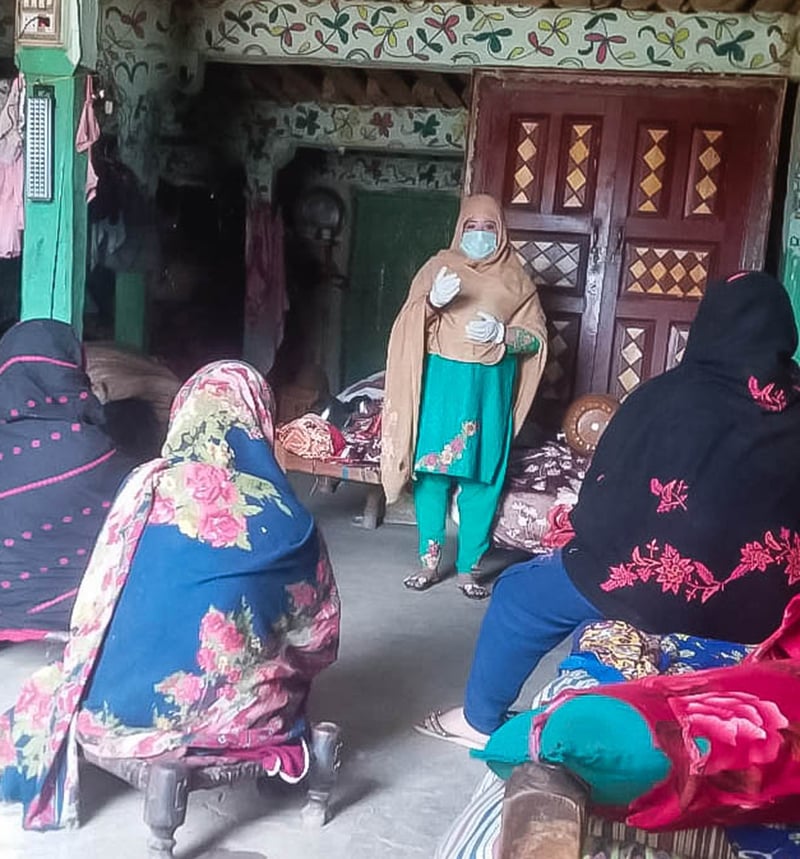
The LHWs are determined to continue their vital work until they've reached the last suspected patient. “It is our collective duty to tackle the outbreak and play our role in it actively. We are sure we will defeat the coronavirus,” Khan said while speaking to Dawn.
Read: These three brave men in Swat are volunteering to carry out last rites of those dying from Covid-19
As many as 1,205 LHWs and 56 lady health supervisors (LHS) work across the Swat valley to provide primary care services to females in rural and urban areas by visiting their houses.
In addition to their routine duties, these unsung heroes are ahead of everyone during every emergency that strikes their people — whether it is due to a man-made or natural disaster. “Though women in our part of the country are expected to remain confined to their houses and considered unable to do anything, I am proud of these LHWs who are actively working to trace people with symptoms without fear of contracting the virus themselves,” said Izhar Ali, a social activist in Swat.
According to the office of the district coordinator of the National Programme for LHWs, the healthcare workers started their campaign to trace and identify people with symptoms on April 4 and reached 172,971 persons. “As many as 166,963 people they traced were found clear while the remaining 6,008 were reported with minor symptoms of fever, flu and cough. They were advised home quarantine,” said Dr Fazal Arif, the district coordinator for the LHWs programme.
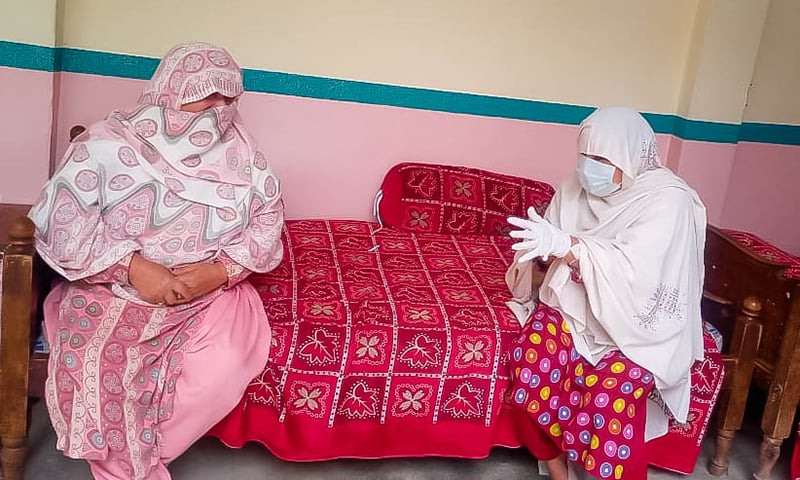
He revealed that nearly 60 Tableeghi Jamaat members were among the people contacted by the LHWs; of them, 57 were cleared and quarantined in their homes for 14 days while three had minor symptoms of flu and fever who were referred to hospitals for proper investigation.
District Health Officer Dr Muhammad Ikram Shah said that tracing and identifying persons with symptoms was an effective and innovative approach which was initiated only in Swat by the health department. “If this approach is followed by other districts in the country, I am sure their Covid-19 outbreak will be controlled in a proper way,” he added.