Chinese scientists develop gene therapy which could delay ageing


Scientists in Beijing have developed a new gene therapy which can reverse some of the effects of ageing in mice and extend their lifespans, findings which may one day contribute to similar treatment for humans.
The method, detailed in a paper in the Science Translational Medicine journal earlier this month, involves inactivating a gene called kat7 which the scientists found to be a key contributor to cellular ageing.
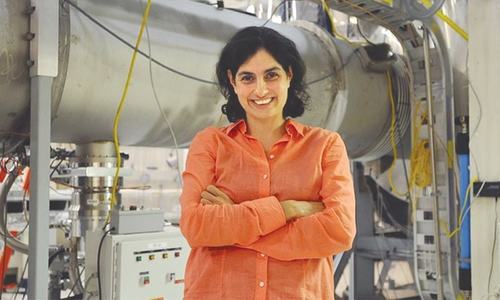
The specific therapy they used and the results were a world first, said co-supervisor of the project Professor Qu Jing, 40, a specialist in ageing and regenerative medicine from the Institute of Zoology at the Chinese Academy of Sciences (CAS).
“These mice show after six to eight months overall improved appearance and grip strength and most importantly they have [an] extended lifespan for about 25 per cent,” Qu said.
The team of biologists from different CAS departments used the CRISPR-Cas9 method to screen thousands of genes for those which were particularly strong drivers of cellular senescence, the term used to describe cellular ageing.
They identified 100 genes out of around 10,000, and kat7 was the most efficient at contributing to senescence in cells, Qu said.
Kat7 is one of tens of thousands of genes found in the cells of mammals. The researchers inactivated it in the livers of the mice using a method called a lentiviral vector.
“We just tested the function of the gene in different kinds of cell types, in the human stem cell, the mesenchymal progenitor cells, in the human liver cell and the mouse liver cell and for all of these cells we didn’t see any detectable cellular toxicity. And for the mice, we also didn’t see any side effect yet.”
Despite this, the method is a long way from being ready for human trials, Qu said.
“It’s still definitely necessary to test the function of kat7 in other cell types of humans and other organs of mice and in the other pre-clinical animals before we use the strategy for human ageing or other health conditions,” she said.
Qu said she hopes to be able to test the method on primates next, but it would require a lot of funding and much more research first.
“In the end, we hope that we can find a way to delay ageing even by a very minor percentage [...] in the future.”