EU envoy foresees surge in Afghan violence


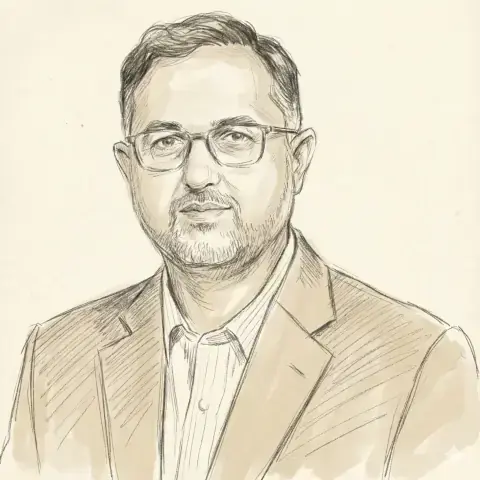
ISLAMABAD: European Union’s Special Envoy for Afghanistan Tomas Niklasson on Wednesday warned of surge of violence in Afghanistan and emphasised the urgent need for the warring sides to make progress in their talks at Doha.
“We could, unfortunately, see an increased level of violence over the next few weeks and months,” Mr Niklasson said while talking to Dawn at the end of his visit to Islamabad.
Violence in Afghanistan has been increasing since May 1, when the withdrawal of troops began. The situation looks particularly grim because of the stalemate in the talks between the Afghan government and the Taliban in Doha. The two sides have made little progress in their negotiations since their dialogue started last September.
The talks plunged into uncertainty after President Joe Biden in April announced that US would pull out troops from Afghanistan by Sept 11, ending one of the longest overseas American military engagements. Much like his predecessor Donald Trump keeping the Afghanistan government out of its Feb 2020 agreement with the Taliban, President Biden’s decision is believed to have taken away the reason from the Taliban for talking. The insurgent group is already considering itself victorious.
The special envoy pointed out that the Taliban have in Doha talks not presented any proposal on “how they would like to see future governance or a roadmap or list of subjects they would like to discuss”.
Govt, Taliban have made little progress in talks since the dialogue started in September
The two sides were discussing “recalibration of order and sequence of talks’ sessions” in their meeting held on Tuesday, according to a Taliban spokesman.
Mr Niklasson expressed fears that not only violence would grow after the departure of foreign troops from Afghanistan as the two sides test their military muscles on the battleground, but the conflict could also become more “violent and complicated” because of the involvement of other “actors”.
“This could lead to complications both on the ground and if and when the negotiations start,” he said.
The envoy said that EU had in talks with both sides emphasised the urgency to move forward. “We need to move from process to substance,” he maintained.
He was of the view that it was for the Taliban to show their sincerity with the peace process. Taliban, he recalled, had said that they would not take Kabul by force and that they were committed to a negotiated settlement of the dispute and don’t believe in the military option.
“They need to show that they mean what they say. … The first step would be to reduce violence rather than increasing it. That would send a signal that they are really interested in cooperating with EU and others,” he asserted.
Responding to a question about Pakistan’s role in the process, Mr Niklasson said he noticed “acute awareness” among the Pakistani leaders about the “time being short”.
“Pakistan has done a lot, whether they have done enough is a question that historians will answer,” he said, adding that it was the result that would ultimately count. “So far we see very little in terms of Taliban coming forward to negotiate,” he observed.
Foreign Minister
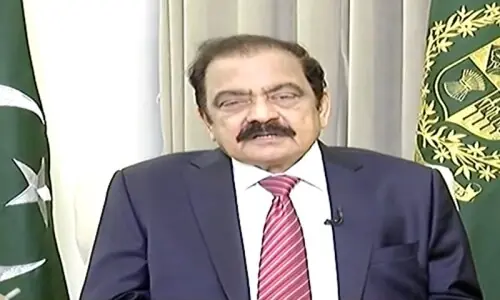
Meanwhile, Foreign Minister Shah Mehmood Qureshi, in a statement, said the next few months were crucial for Afghanistan as the situation could aggravate further or get resolved.
He reminded the Afghan leadership of the responsibility to work together to find a political solution to the conflict especially in view of the precarious situation.
Mr Qureshi warned that Afghans would suffer more in case of a situation similar to that of 1990s or in case a civil war breaking out.
He said Pakistan and Afghanistan had a clear understanding that both would not allow their soils to be used against each other or by a third party.
Published in Dawn, June 17th, 2021