PSX chief deplores lack of liquidity in debt market


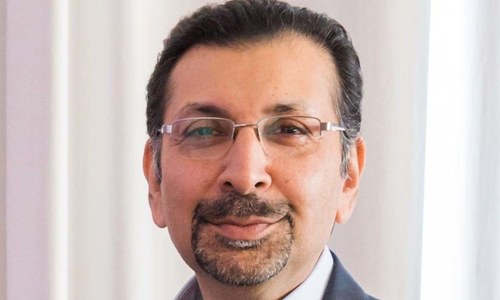
KARACHI: Pakistan Stock Exchange CEO Farrukh H. Khan has said that trading volume in the secondary debt market is likely to receive a boost in the last quarter of 2021, thanks to big commercial banks taking up the role of market-makers.
Speaking to Dawn on the sidelines of a ceremony to mark the on-boarding of BankIslami as a market-maker on Monday, Mr Khan said liquidity in the secondary debt market was minimal at the moment.
“That’s why we are bringing more and more banks on-board as market-makers,” he said while referring to financial institutions with a mandate to buy and sell debt instruments to ensure liquidity at all times.
Although the overall size of the debt market is large enough, retail trading in instruments like Pakistan Investment Bonds (PIBs), Treasury bills, sukuk and term finance certificates (TFCs) in the secondary market is almost non-existent. Retail investors can theoretically buy and sell these papers, but the process is tedious and liquidity is thin. Moreover, government debt instruments like T-bills and PIBs are only “technically listed” i.e. there’s little secondary market activity in this segment, according to Mr Khan.
“The whole concept of market-making revolves around ensuring liquidity. Small investors will benefit a lot after market-makers come on-board to provide buy and sell bids on a continued basis,” he said.
Nine banks have signed on-boarding agreements with the PSX as market-makers. A total of 32 debt securities, including TFCs and sukuk, are currently listed on the exchange. In 2020-21, six debt securities were listed on the PSX, including one privately placed sukuk issued by the federal government. He said figures for the average daily traded value and volume for private-sector debt instruments in 2020-21 were not readily available.
He listed the easy availability of different kinds of savings certificates as the top reason for low interest from investors in the secondary trading of debt securities.
Published in Dawn, July 6th, 2021