

Electronic machines to make electoral process fair: minister
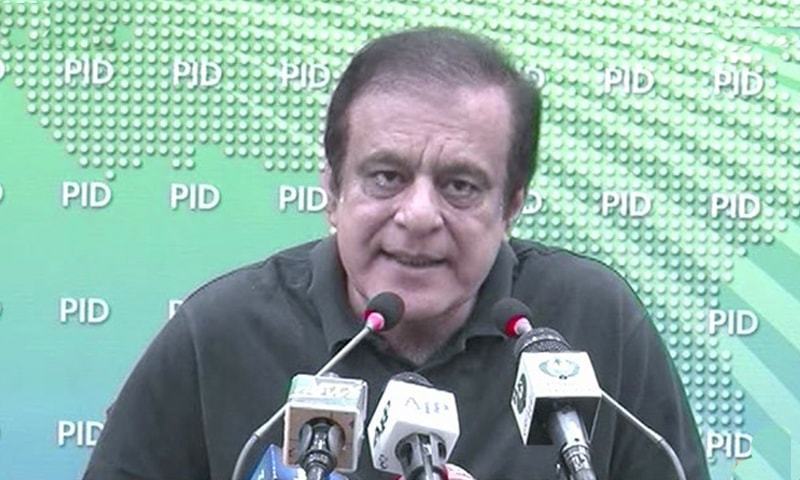

ISLAMABAD: Minister for Science and Technology Shibli Faraz on Tuesday said his ministry had developed the electronic voting machine, which will contribute to making the electoral process fair and transparent.
“The electronic voting machine has been developed according to requirements of the Election Commission of Pakistan (ECP). Today we have briefed the Cabinet about this new device and its benefits,” Minister for Science and Technology Shibli Faraz said while talking to media on Tuesday.
“The use of technology in elections will be helpful for the losing candidate to recognise the results. The machine has no internet and no operating system. Due to the Internet and software vulnerabilities, it is free from external interference. The machine will soon be shown to the cabinet, opposition parties, parliament and the Election Commission,” he said, adding that use of latest technology in upcoming elections would make the electoral processes uncontroversial and acceptable to all.
The machines are being developed using indigenous technologies at half the cost of imported devices by National University for Science and Technology, Comsats and National Institute of Engineering (NIE). The three establishments, under the Ministry of Science and Technology were tasked to develop electronic voting machines.
Shibli Faraz had earlier told media that the machine would be launched after Eidul Azha for the members of the National Assembly and the Election Commission for vetting and to convince them of its benefits.
The three departments had the capacity to manufacture 2,000 machines, costing an estimated Rs65,000 each, which was half the price of imported devices that offered no guarantees of working properly.
According to Shibli Faraz, a special paper would be used on which the ink would not fade or dull for five years. “Counting votes would be a push of a button away and could be completed between 30 minutes to one hour,” he said.
The minister had also informed the media that the machine had a battery life of two days.
While the machines would be tested against cyber attacks, the identity of the voter would remain anonymous, information would be encrypted and they would operate in areas where temperatures drop to ten degrees below zero and in localities where the mercury touches 55 degrees centigrade.
No kind of tampering with the machine would be possible either. Only registered voters would be able to cast their vote through these devices.
Published in Dawn, August 4th, 2021






























