Indonesia president says “strongly regrets” past rights violations in country


Indonesian President Joko Widodo acknowledged on Wednesday a series of incidents amounting to “gross human rights violations” had taken place in his country’s past, including the bloodshed and arrests that took place in 1965 and 1966.
In one of the darkest periods of Indonesia’s history, some historians and activists have estimated at least 500,000 people were killed in violence that started in late 1965 after then-general Suharto and the military took power following an abortive communist coup. A million or more people were jailed, suspected of being communists.
“With a clear, genuine mind and conscience, I as a head of state acknowledge that there were gross human rights violations that did happen in many events,” he said.
“And I strongly regret that those violations occurred.”
The president, commonly known as Jokowi, cited 11 other incidents, spanning a period between 1965 and 2003 prior to his tenure as leader, including the shooting dead and abduction of students during protests against Suharto’s three-decade rule in the late 1990s.
Students leading the protests were targeted and there were also many victims during this period from the Chinese community — a minority in the world’s biggest Muslim-majority country and sometimes resented for their perceived wealth.
Jokowi said that the government would seek to restore the rights of victims “fairly and wisely without negating judicial resolving”, though did not specify how.
The president also cited human rights violations in the restive region of Papua, noting his acknowledgement came after reading the results received from a team he formed in 2022 to investigate these violations.
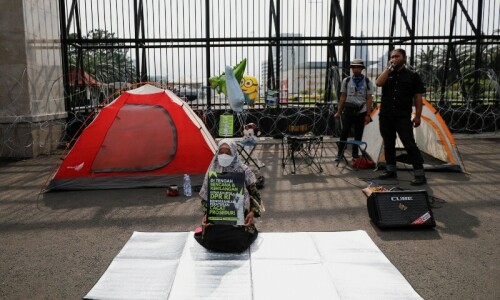
Some activists remained sceptical and said acknowledgement and expression of regret were not sufficient without cases being legally resolved in court and perpetrators tried, noting cases had often been thrown out by the Attorney General’s Office, which is tasked with investigating rights violations.
Any expression of regret must also include a reaffirmation that “serious crimes of the past need to be resolved rightly and justly through judicial means,” said Usman Hamid of Amnesty International, adding victims needed to get reparation.
Previous presidents have also acknowledged such violations. Late President Abdurrahman Wahid apologised for the 1965 bloodshed, while President B.J. Habibie formed a team to investigate the violence in 1998.