THERE can be little argument with the fact that many white elephants in the extensive stable of state-owned enterprises need to be privatised, as they are a huge burden on the taxpayer.
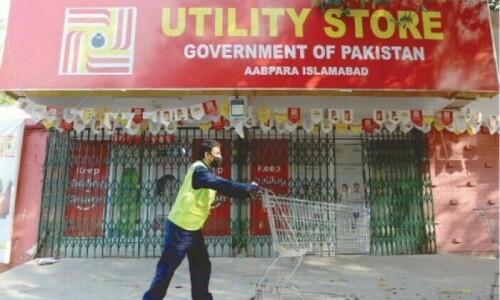
Yet some SOEs, such as the Utility Stores Corporation, although being run inefficiently, provide lifelines to millions of low-income Pakistanis in the form of subsidised groceries. In this context, reports that the state is thinking of winding up USC operations have caused concern. On Friday, addressing lawmakers at a meeting of the Senate Standing Committee on Industries and Production, the relevant secretary said that the state wanted to “get out of non-essential businesses”, and that the administration had decided on the closure of the USC. He added that the stores’ employees would be transferred elsewhere. However, the next day, the government appeared to backtrack on the decision, as the industries minister said that the government would be merely ‘restructuring’ the Utility Stores.
The USC is no model organisation. For years, the stores have been plagued by reports of corruption and mismanagement. Embezzlement to the tune of millions of rupees has been reported, while in 2021 the AGP unearthed financial irregularities in the USC worth billions. Furthermore, consumers have complained of substandard merchandise being sold at the stores, while USC staff have been accused of vending subsidised products in the open market.
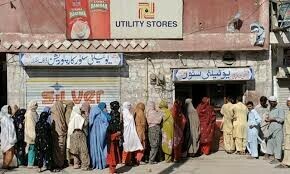
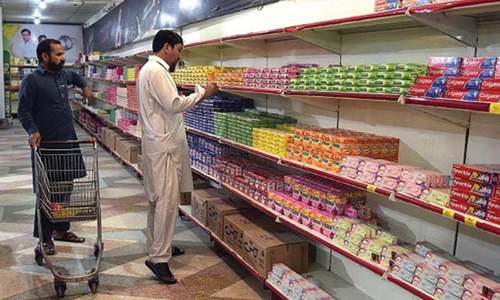
However, despite these glaring malpractices, it is also a fact that millions of low-income consumers depend on the stores for groceries at prices below market rates. In a country where price-gouging and black-marketing are common, and state regulation of the market to prevent consumer exploitation by unscrupulous traders is extremely weak, the Utility Stores have provided some relief. Lines of consumers outside the stores in cities across Pakistan are proof of this, especially during periods such as the month of Ramazan, when traders tend to jack up prices of essentials.
The state needs to clarify what restructuring it plans to carry out. The Senate committee was told that “alternative arrangements” would be made, including providing cash transfers to citizens. In these times of raging inflation, low-income citizens need to be protected from the ravages of the market. If the USC is restructured, how will the state ensure that the poor consumers are not fleeced. A workable plan, therefore, is required that details how the interests of consumers will be protected while the state disassociates itself from the USC. The cash-transfer plan might work if funds are remitted to low-income households in a transparent manner. The Benazir Income Support Programme can serve as a database for this purpose.
Moreover, the state needs to improve its price-checking capabilities so that consumers who buy from the open market are not fleeced.
Published in Dawn, August 25th, 2024