IS Pakistan’s new bailout deal with the IMF in trouble? Is the Fund’s Executive Board deliberately stalling the approval of the $7bn Extended Fund Facility agreed between Islamabad and the IMF mission on July 15? Are there any geopolitical factors at play?
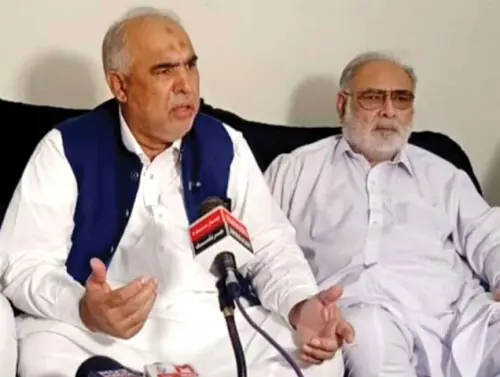
These are the thoughts that come to mind after Deputy Prime Minister Ishaq Dar’s fresh critique of the IMF amid delays in disbursement of the much-needed funds by the lender of last resort. Speaking at a Defence Day function in London, the minister mostly recounted his personal experiences of having worked with the Washington-based agency for the revival of a previous 2019 funding plan as the country’s finance czar.
In a way, Mr Dar questioned the intentions of the Fund towards Pakistan as he narrated how the agency had continued to stall its financing for eight months, despite completion of the programme review. The lender had eventually substituted that package with a short-term loan of $3bn to help Pakistan avert looming sovereign default last year, weeks before a caretaker administration was installed to hold elections.
While the unexpected delay in the new IMF programme’s approval is already causing anxiety in the markets, the timing of Mr Dar’s tirade against the lender is quite confusing. Whether or not it is linked to the current status of the new bailout, it will likely add to existing uncertainties around the early disbursement of fresh IMF funds. More so because the Fund, going by the information Finance Minister Muhammad Aurangzeb has divulged to the public in piecemeal fashion, seems to be consistently changing the goalposts.
Or should we assume that the government has yet to fully reveal the conditions agreed with it in the staff-level agreement? Apparently, the delays in the confirmation of the debt rollovers by China, Saudi Arabia and the UAE, as well as the failure to arrange for fresh funds to cover the external financing gap of $2bn for the present fiscal year, are the main reasons for the delayed approval of the IMF Board.
Nonetheless, if Mr Dar, who was apparently not given his favourite portfolio in the present administration due to the mistrust between him and the IMF, is to be believed, the Fund might deliberately be deferring disbursements to the country owing to geopolitical reasons — even if this appears to be a far-fetched conclusion.
There are already speculations that the Western powers do not want Pakistan to use IMF funds to pay back the Chinese debt, and that the lender has asked Islamabad to, like Sri Lanka, first secure debt relief from Beijing, before it finally releases the promised funds. It is, therefore, crucial for the government and finance minister to clear the confusion rather than let growing uncertainty continue to grip the markets.
Published in Dawn, September 10th, 2024