Climate change knows no borders, neither should the solutions


l Experts stress need for knowledge-sharing across borders to preserve Himalayan ‘water towers’
l Innovator from Ladakh describes methods used to re-freeze glaciers
l PM’s aide, Nepali journalist call for collaboration thru Saarc
ISLAMABAD: The consensus at the South Asia Climate Symposium was that cross-border knowledge sharing and collaboration among the countries of South Asia is the need of the hour to mitigate the impacts of climate change.
A discussion on ‘Glacial Melt : A Sustainable Strategy for the Water Towers of South Asia’ brought together a star-studded panel of experts from across the region, who called for collective efforts by the heads of South Asian states towards joint policy-making.
Such a move must include local communities if there is any hope to slow down the damage caused by climatic shifts, they reasoned.
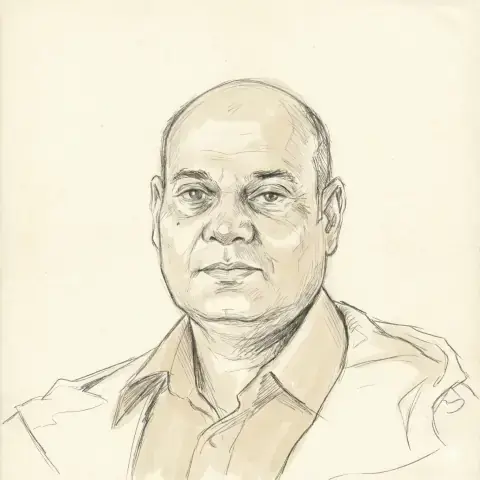
Kanak Mani Dixit, the founder and editor of Himal Nepal, highlighted the impact of fast melting glaciers, saying it was not a matter of politics, but poverty and the lives of around one-forth of the South Asain population.
Reduced snowfall and faster melting of glaciers and permafrost in the Himalayas was eventually reducing the ground water level in mainland Pakistan and India, he said.
Recalling heavy rainfall and landslides in northern India’s Sikkim last year and 2021 flooding in Nepal’s Melamchi River, he said ahead lay an “incredible crisis for which we already have the indicators in front of us”.
Lauding the DawnMedia initiative, he said that the South Asian Association for Regional Cooperation (Saarc) should hold moots like ‘Breathe Pakistan’ to facilitate discussions on cross border mitigation policies.
Romina Khursheed Alam, the PM’s coordinator on climate change, stressed that availability of water was the most pressing need in the region.
There are 13,032 glaciers in Pakistan – the largest number outside the polar regions, she recalled, adding: “We need to reach out for regional solutions… the missing component is collaboration in the Saarc region.”
She also emphasised the need to engage rural communities for the implementation of national policies.
The winner of the Ramon Magsaysay Award 2018, Sonam Wangchuk, from India’s Ladakh region, called for establishing labs in all countries with the glaciers, who would carry out studies and share findings with each other.
The life line of Pakistan – the Indus – originates from his native land, highlighting the importance of cross border policy implementation in South Asia.
He highlighted a novel strategy: creating artificial glaciers. “That is what we do in Ladakh. You can refreeze the glacial lakes, which serve as ticking time bombs, using various technologies and we are working on them. You siphon them out and refreeze them. So, freeze, freeze, and freeze should be the strategy to keep it at the height where it should be,” he said.
Ayesha Khan from the Civil Society Coalition for Climate Change Pakistan called for engaging local communities to develop resilience to the adverse impacts of climate change and help implement the policies designed by nations.

She stressed that civil society must have the expertise to translate the national narrative into simpler language and get it implemented at the grass-root level.
“Civil society can also fill the gaps created by the political leaderships in the region… it’s a battle for survival and we need to keep other differences aside for now,” she added.
Mr Indirika Rateatte, the UN Resident Coordinator Afghanistan and Dechen Tsering, director of the United Nations Environment Programme’s (UNEP) climate change division called for integration of modern technology with traditional practices to guard against agriculture losses in the wake of changing climatic conditions.
They called for cross-border water sharing, as well integrated regional climate change strategies.
Referring to the 2022 superfloods faced by Pakistan, Tsering said: “We have seen what we call ‘monsoon on steroids’, [leading] to devasting impacts — including health impacts like water-borne diseases, compromising water and sanitation, public health challenges, and of course energy security.”
Published in Dawn, February 7th, 2025