Two million Afghans still living in Pakistan: UNHCR
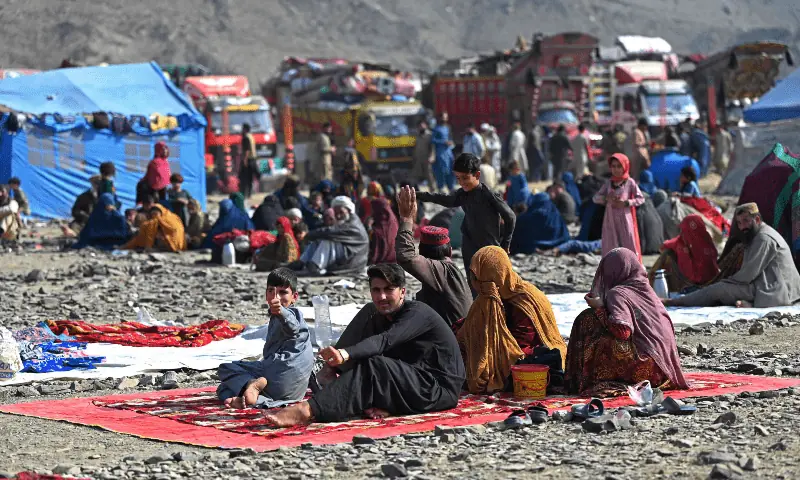

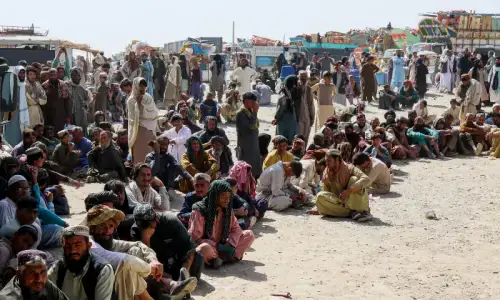
ISLAMABAD: Though more than a million Afghans have returned to Afghanistan in 2025, there are about two million Afghans still living in Pakistan, according to the latest statistics released by the UN refugee agency.
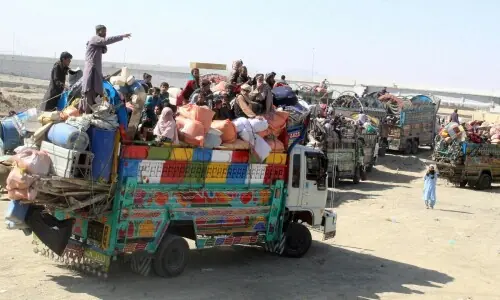
UNHCR data shows that in November alone, 171,055 Afghans returned to Afghanistan, with 37,899 deported through the Chaman, Torkham and Barabcha borders.
Also in November, over 31,500 Afghan Proof of Registration Cards (PoRs) card holders were sent to Afghanistan through UNHCR’s repatriation centres.
Heightened Pakistan-Afghanistan border tensions in November disrupted humanitarian operations, restricted cross-border movements, and prompted temporary relocation of UN agencies from the Chaman border area.
All 54 refugee villages in KP, Balochistan and Punjab de-notified
Despite intensified implementation of the third phase of the Illegal Foreigners’ Repatriation Plan (IFRP) in Khyber Pakhtunkhwa, the UNHCR and partners ensured that essential and life-saving services were provided, including resumption of women and girls safe spaces and child friendly spaces, continued legal and mental health and psychosocial support.
Meanwhile, the handover of refugee health and education facilities to provincial authorities continued in KP and other districts.
The government introduced in September 2023, the IFRP, which has triggered large-scale return of Afghans. The first and second phases of the plan, implemented in September 2023 and April 2025, respectively, targeted undocumented Afghans and holders of the Afghan Citizenship Cards. The implementation of these phases saw return of over 1.1 million Afghans from urban areas and refugee villages as of July 2025.
The third phase, targeting holders of PoRs commenced in September 2025 and has seen close to 166,000 PoR holders returns. To date, over 1.82 million Afghans have returned to their country since the start of the IFRP. In November this year, 171,055 returned to Afghanistan, with 37,899 deportations registered.
The government has also de-notified all 54 refugee villages in KP, Balochistan and Punjab provinces and continues to urge Afghans to return to Afghanistan.
The UNHCR is advocating with the government to grant exemptions to students enrolled in universities. While a formal policy for students has not yet been issued, university students are currently being exempted from the IFRP.
Published in Dawn, December 26th, 2025