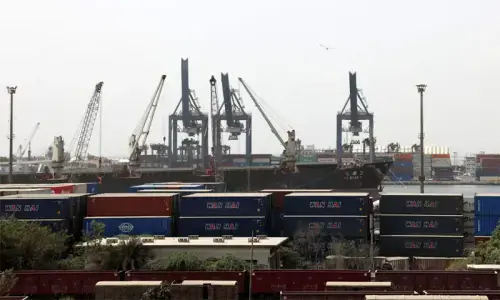
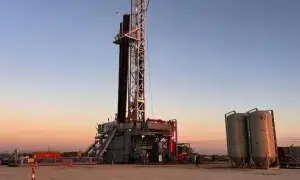
The United Nations Food and Agriculture Organisation (FAO) warns in a report that prolonged disruption to trade through the Strait of Hormuz amid the Middle East war could create cascading impacts across energy markets, fertiliser supply chains and global agrifood systems.

The FAO report, titled ‘Global Agrifood Implications of the 2026 Conflict in the Middle East’, adds that this, in turn, will raise production costs, tighten agricultural supply and increase food prices worldwide.

While global food markets remain more stable than during previous crises, the current shock underscores the vulnerability of interconnected energy and agrifood systems and the importance of coordinated international action to stabilise markets, maintain open trade routes, and protect vulnerable populations from rising food insecurity, the FAO says in its report.

It calls for a coordinated policy response to mitigate these risks and build resilience.

Opinion

Editorial

Talks, at last
03 Oct, 2026

Talks, at last

YESTERDAY, the government and opposition finally sat across from each other and talked. A government-led coalition,...
IWT’s future
03 Oct, 2026

IWT’s future

TOGETHER with the Kashmir dispute, India’s unilateral suspension of the Indus Waters Treaty has become the biggest...
Pained minds
03 Oct, 2026

Pained minds

IN Pakistan, mental healthcare is wedged between two extremes — a luxury or a stigma. Estimates cited by the...
Risks ahead
Updated 02 Oct, 2026

Risks ahead

To think that the government would rather push out an elected government than grant a single prisoner some facilities does not square up rationally.
Exit from Iraq
02 Oct, 2026

Exit from Iraq

AMERICAN and British troops have once again shipped out of Iraq. On Wednesday, the foreign forces left the Arab...
Lahore’s ozone warning
02 Oct, 2026

Lahore’s ozone warning

LAHORE has received another warning that its air pollution crisis cannot be treated as a problem that begins with...