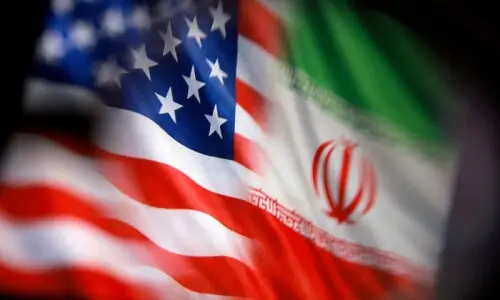
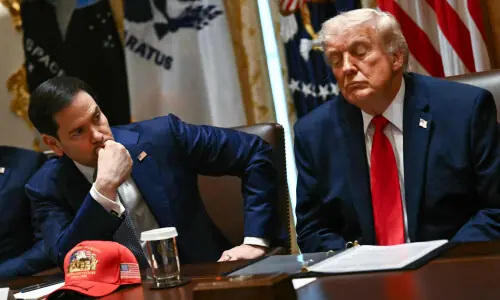
PRESIDENT Donald Trump’s declaration that he is making a “final determination” on a proposed agreement with Iran has pushed the latest round of diplomacy to a critical moment. Writing on Truth Social before convening a White House Situation Room meeting, Mr Trump outlined what he said should form the basis of a deal, including the reopening of the Strait of Hormuz and measures addressing Iran’s nuclear programme and stockpile of highly enriched uranium.
Whether Tehran accepts these terms remains to be seen, and significant differences remain between the two sides. Even so, the developments suggest that Washington and Tehran may see a path away from further conflict.
The latest push comes just days after military exchanges again exposed how fragile the truce remains. US strikes in southern Iran and over the Strait of Hormuz drew a strong response from Tehran, highlighting how quickly tensions can flare despite ongoing diplomatic contact. Yet no one should mistake the current momentum for a breakthrough.
The main disagreements remain firmly in place. Washington wants restrictions on Iran’s nuclear activities and assurances regarding its stockpile of enriched uranium. Iran insists that uranium enrichment is its sovereign right and remains deeply suspicious of US intentions after years of sanctions, pressure and policy reversals. The reported framework does not resolve these disputes. At best, it creates room for further talks. Still, that too would be an achievement.
Military pressure has increased instability, rattled markets and heightened uncertainty throughout the region without producing a lasting solution. Neither side has succeeded in forcing the other to abandon its core position. Instead, each round of strikes has been followed by retaliation, drawing the region closer to a conflict neither side wants.
The burden now falls most heavily on the US. As the stronger party militarily, economically and diplomatically, Washington is better placed to shape the conditions in which negotiations take place. If it is serious about reaching a durable settlement, it must demonstrate that diplomacy is not simply a tool to manage a crisis before pressure resumes. Talks will not succeed if they are repeatedly overshadowed by actions that deepen mistrust and reinforce old suspicions.
Iran, too, must engage seriously and provide credible assurances about its nuclear programme if it wants sanctions relief and a more stable relationship with the outside world. But rebuilding trust will require consistency from both sides. The proposed ceasefire extension offers an opportunity to move away from confrontation and towards a more stable footing. Whether it becomes the basis for broader progress or merely another pause before tensions rise again will depend largely on whether Washington is prepared to back diplomatic rhetoric with diplomatic resolve.
Published in Dawn, May 30th, 2026