Minister says govt not giving preference to any sector after petrol, diesel prices kept unchanged
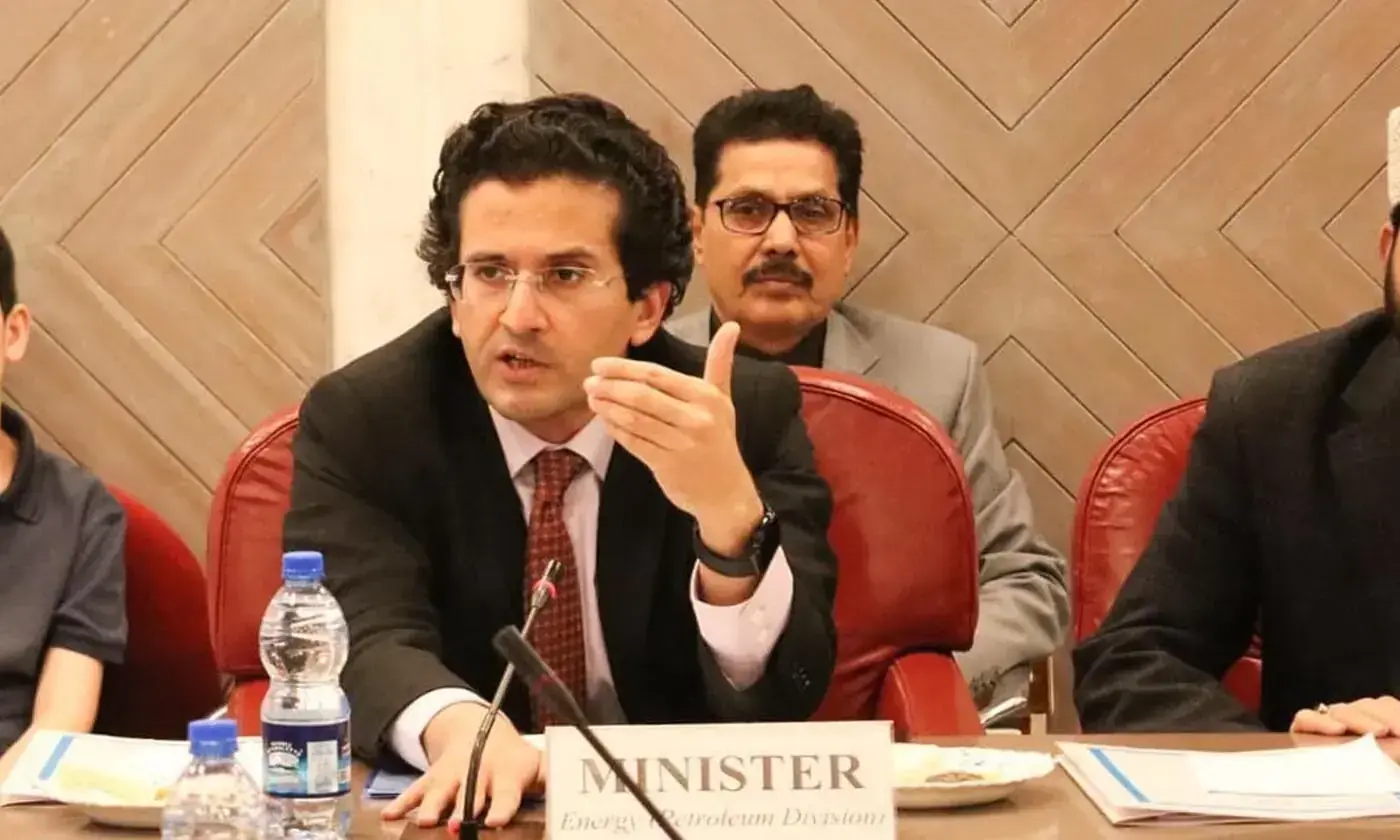

Petroleum Minister Ali Pervaiz Malik on Saturday dismissed the notion that the government was “giving preference” to one sector or imposing an undue burden on another after it kept petrol and diesel prices unchanged “till further orders”.
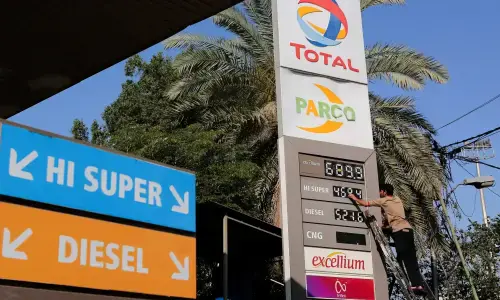
On Friday night, the government kept petrol and high-speed diesel (HSD) prices unchanged at Rs299.50 per litre and Rs311.47 per litre, respectively.
In a post on the social media platform X, the petroleum minister shared a table of international oil prices over the past week. According to the number he shared, petrol prices ranged between $90.36 and $98.35 per barrel during June 22-26, while HSD traded between $104.79 and $109.09 per barrel.
“The government is neither giving preference to any sector nor imposing any undue burden on the other,” he said.
“The government is committed, within the scope of its international obligations, to pass on any benefit to the consumers,” he added.
Highlighting the government’s record on fuel prices, Malik said Prime Minister Shehbaz Sharif had so far reduced the price of diesel and petrol by Rs200 per litre and Rs155 per litre, respectively.
The minister’s statement comes after criticism was directed at the government for not reducing the prices of petroleum products.
“Despite international oil prices at the pre-war level, in Pakistan petrol price still remains Rs 300 per litre. Why not pass the benefit to people?” asked former Sindh governor Mohammad Zubair.
PTI’s Haleem Adil Sheikh said that fuel prices had “fallen across much of the world”.
“Yet Pakistan’s corrupt government has once again refused to pass any relief on to the public. After previously hiking fuel prices by Rs137/litre on stock purchased at much lower rates — handing massive windfall profits to oil marketing companies and petrol pumps—it has repeated the same act. The people pay, while the corrupt protect vested interests,” he said.
The Jamiat Ulema-i-Islam (JUI) criticised the government’s decision to not reduce petrol prices, saying that it showed the “government’s indifference”.
JUI spokesperson Aslam Ghauri said, “The decision to keep petroleum product prices unchanged for a week is tyrannical.”
He said that petrol prices have fallen below pre-war levels in the international market, adding that the government had protected the interests of petrol companies during price hikes and continued to do so.
“The Iranian people haven’t suffered as much damage due to the war as the Pakistani people have endured,” he said.
“Oil companies, oil tanker owners, big dealers have won. The public has lost,” said journalist Zahid Gishkori about the decision to keep prices unchanged.
Last week, Prime Minister Shehbaz Sharif announced a Rs74 reduction in petrol prices and a Rs67 cut in high-speed diesel (HSD) prices as the government passed on the benefit of declining international oil prices.
Petrol is mainly used in private transport, small vehicles, rickshaws and two-wheelers, and changes in its price affect the middle and lower-middle classes. Similarly, changes in diesel prices also impact the public at large, as it is mainly used in the heavy transport sector, power plants and large generators.
As the energy crunch from the US-Iran war due to the Strait of Hormuz blockade hit the global markets, the government began revising petroleum prices every week on Friday night.
Fuel prices reached their peak on April 3 when the government hiked the petrol price by Rs137.24 per litre and the HSD price by Rs184.49, taking them to Rs458.4 and Rs520.35 per litre, respectively.
Amid backlash over the unprecedented hikes, PM Shehbaz had brought the petrol price down to Rs378 per litre within 24 hours by slashing the petroleum levy by Rs80 per litre.