Why the Middle East war still convulses the oil market
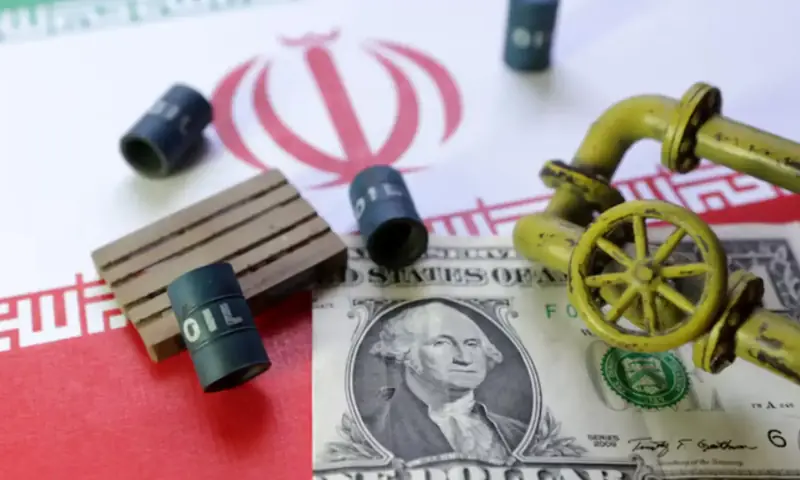

After more than five months of conflict, oil markets continue to surge and tumble over the latest developments in the US-Iran clash, including United States President Donald Trump’s shifting pronouncements.
What is behind the market’s volatility?
The ‘shock’ of Hormuz
While the potential vulnerability of the Strait of Hormuz has long been viewed as a risk, oil markets have still been caught off guard by Iran’s ability to largely close the crucial waterway.
“What really shakes the market are surprises… and the Hormuz closure was a shock,” said Jim Burkhard, head of global energy crude oil research at S&P Global.
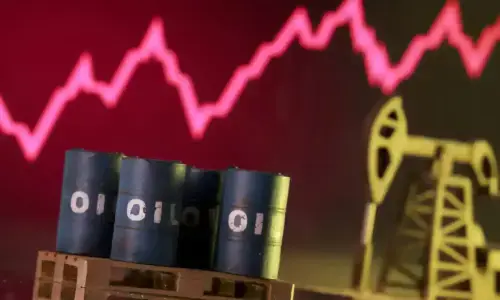
Brent oil prices surged more than 13 per cent in the immediate aftermath of the US-Israeli siege against Iran on February 28. Since that time, prices have been jolted in both directions as the conflict has dragged on.
“Number one, it’s the complete unexpectedness, unfamiliarity with what we are seeing,” Bob McNally, president of the Rapidian Energy Group and a former White House energy advisor to George W. Bush, said of the unprecedented curtailment of the Strait.
“There was this perception that the US would never allow it to happen,” McNally added.
About 20 million barrels per day of crude traverse the Strait, roughly a quarter of global oil demand, making the current supply shock “the biggest disruption in history”, according to McNally.
Subsequent events have jerked prices in both directions. Markets were unnerved by the US move to blockade Iran’s ports, but subsequently buoyed by a June 17 agreement between the United States and Iran to cease hostilities.
An imminent resolution?
While the conflict has boosted prices overall, international benchmark Brent oil has averaged $94 a barrel since the start of the fighting, well below the $150-per-barrel level seen by some experts as possible.
One explanation is the market’s response to Trump, who has issued contradictory statements but has often described a Hormuz resolution as within striking distance. Such statements have helped keep crude prices from rising more.
“The market believes and still believes that this crisis can and will end soon,” McNally said.
Optimistic statements by the president and other Trump administration figures like Treasury Secretary Scott Bessent have often sent oil prices sharply lower, posing peril to traders on the wrong side.
“The oil market has sort of burned the bulls so many times you just don’t have bulls willing to go in and trade,” McNally said. “So all you have is people who are trading, especially these algorithmic traders who are just trading on headlines.”
The Hormuz closure has lowered volumes by about 12.6m barrels per day, according to JPMorgan Chase analysts.
Some of this has been blunted by lower crude imports from China, while releases from commercial and government inventories have also offset the effects of lost supply.
In March, the International Energy Agency announced member governments would release 400m barrels of oil, the largest emergency stock release in history.
The US, Canada and Brazil have been among the countries increasing output.
Middle East producers have maneuvered some shipments away from the Strait.
For example, Saudi Arabia shifted crude exports to the Red Sea, but that avenue has also been compromised by attacks by Houthi rebels.
Not just oil
While the fluctuations of crude prices generate most of the headlines, analysts have also highlighted the stresses on refined products, including gasoline.
“The most pressure in the world today is on refined products because there is generally enough crude oil out there right now, but there’s not enough refining capacity,” Burkhard said.
Diesel prices have doubled compared with February, while gasoline prices are up about 50pc.
The Middle East conflict has also sidelined key energy infrastructure due to attacks, including some refinery capacity. Energy experts also point to Russian refinery outages due to attacks from Ukraine in that war.
Continued robust demand for petroleum products has led to a historic surge in refinery profit margins, resulting in huge earnings windfalls for large oil companies in the second quarter.