Prism Reflections: I survived the MDCAT scandal, but the hardest question wasn't on the exam
It was the night of December 8, 2024 and I was scrolling through Instagram reels, trying to distract myself after one of the most important exams of my life, the MDCAT which I had sat that morning.
Suddenly, a message appeared on my phone. Someone had sent me the official answer key released by IBA Sukkur. I began checking my answers. With every correct response, my heartbeat grew faster. Then came the moment I had spent months waiting for, the realisation that I had achieved a score that could secure my place at a medical college.
For a moment, everything felt perfect. The sacrifices, sleepless nights, and countless hours of preparation seemed worth it. I felt I was finally one step closer to the white coat.
But to understand what that moment truly meant, I have to go back to where this dream began.
The dream of becoming a doctor started long before I knew what the MDCAT was. After middle school, my thoughts gradually shifted towards medicine, shaped largely by my parents’ expectations and the environment around me.
Deep down, however, my interests leaned more towards mathematics. I was fascinated by logic and problem-solving and I imagined a career in engineering. But in Tharparkar, becoming a doctor is often considered the ultimate success because the profession is associated with respect, stability, and the hope of a better future. Like many students around me, I saw the white coat not as a career choice, but a measure of achievement.
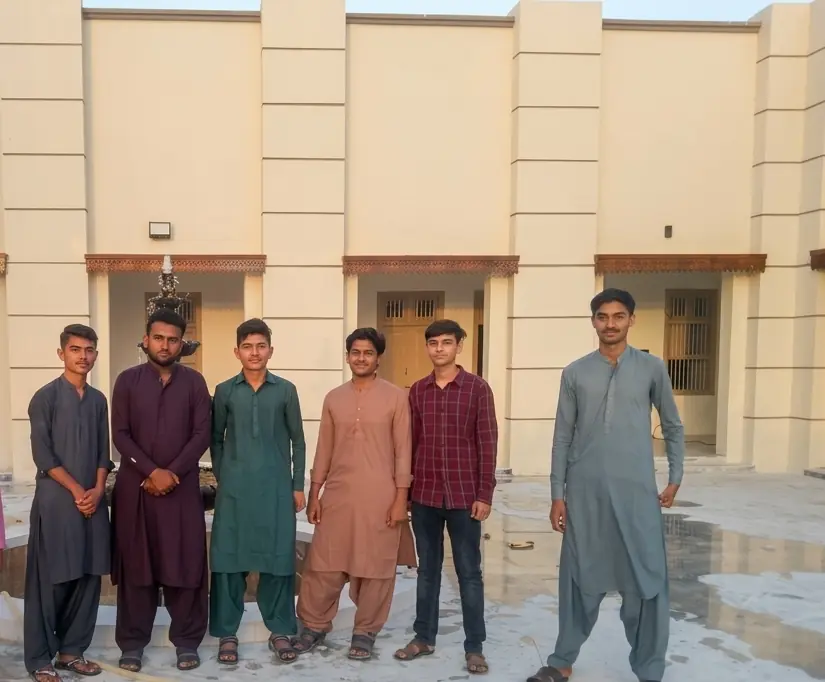
After my SSC-II examinations, I joined Sindh Academy Umerkot for MDCAT preparation. This was where the real struggle began. On my first day, I felt overwhelmed, surrounded by students who appeared confident and academically strong. I started questioning whether I truly belonged there. I felt left behind, as if I could not match the talent and brilliance of my fellow students.
That feeling grew even stronger after I received a disappointing score in my first mock test. I was riddled with self-doubt. I began wondering whether I had chosen the wrong path and whether I should have followed my earlier interest in engineering instead.
But then I asked myself: “Why can’t I do what others can? Do they have some special ability that I lack?”
The obstacle was not my ability, but my perception of it. I had placed my fellow students above myself and allowed fear to persuade me that I was not capable enough.
They were undoubtedly talented and hardworking, but their performance also reflected their confidence and consistency. This realisation became a turning point for me.
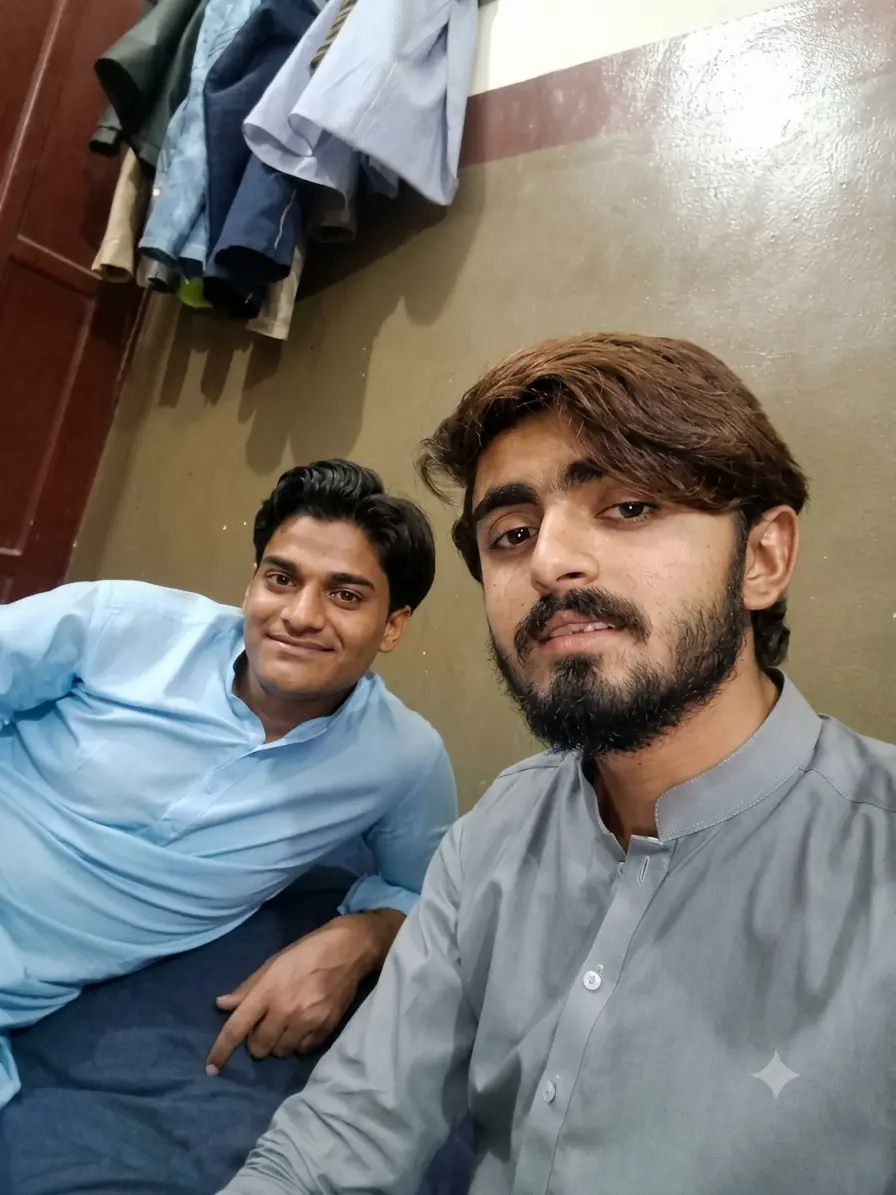
Soon after, I started appearing among the top performers in my academy. As my confidence grew, a new dream took shape: Dow Medical College. The reason was my friend at the hostel, who had also been one of my earliest sources of motivation. He had successfully gained admission to DMC and was exceptionally talented and hardworking. One day in Umerkot he had said to me, “Parkash, first of all, make your recognition.” For him, recognition meant creating an identity through hard work and achievement.
DMC became stayed in my mind. Yet alongside that dream, fear and uncertainty grew alongside. We had already seen allegations of MDCAT paper leaks in 2023, and many students feared that the examination scheduled for September 22, 2024, might meet the same fate. Preparing under such uncertainty was an uphill battle. It was difficult to stay motivated.
“What is the point of working so hard when everyone believes the paper will be leaked?” a fellow student asked me one day.
“Whether the examination remains transparent is beyond my control,” I said in response. “What is within my control is my hard work. Even if I don’t succeed, I want to be among those who gave their best honestly.”
Early, on the morning of September 22, I woke up and opened up my WhatsApp groups. Several PDF files claiming to be the MDCAT paper were already circulating. Like many others, I dismissed them as another rumour that often appears before competitive examinations.
After breakfast, I headed to the examination centre with hope and confidence.
When the question paper was distributed, I read the opening question.
My heart sank. It was the very same paper that had been circulating on WhatsApp.
In that instant, months of sacrifices, sleepless nights, and relentless preparation lost their meaning. It was not because I had missed an opportunity to see the paper beforehand; it was because I realised that the fairness of an examination for which thousands of students had worked honestly had been compromised.
That night, I returned home shattered.
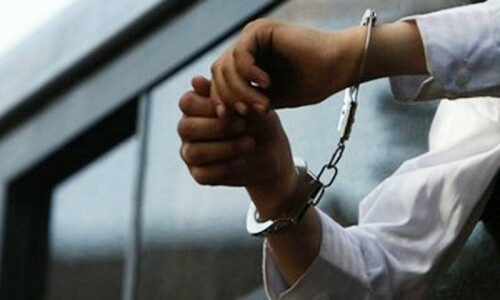
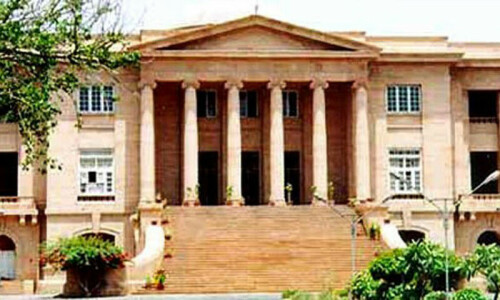
The period between the leaked examination and the reconduct was among the most emotionally exhausting phases of my life. Although I had scored 188 out of 200, the controversy surrounding the examination left thousands of aspirants uncertain about their future. Following a confirmed inquiry into the breach, the Sindh High Court nullified the results and ordered a fresh exam to be held. The FIA launched a criminal probe that led to the arrest of two DUHS officials, while the government asked IBA Sukkur to conduct the retake.
For thousands of students across Sindh, the decision brought mixed emotions. It offered hope that justice would be restored, but it also meant returning to months of uncertainty, reopening books that many had already set aside, and reliving the anxiety of an examination they believed was behind them. The controversy became more than a story about a leaked paper; it exposed how vulnerable the aspirations of an entire generation can become when trust in a system begins to erode.
This time, I received another opportunity to prove myself. As I walked out of the examination centre on December 8, I felt a wave of relief after the grueling months of uncertainty. The exhausting cycle of re-opening old books was finally over. As I sat in my hotel room that evening matching my answers to the key, the validation felt absolute. For a brief, shining moment, I believed the years of sacrifice had finally brought my dream within reach.
When the final merit list was announced, however, my name was not among those selected for Dow Medical College, despite finishing third in my division on the reconducted MDCAT. My board marks lowered my aggregate enough to place me below the admission cutoff.
The disappointment was crushing. For days, I kept revisiting the merit calculation, wondering how a dream that had felt so close could suddenly move beyond my reach. After months of imagining myself walking through the gates of DMC, I had to face the reality that some dreams depend not only on hard work, but also on factors beyond our control.
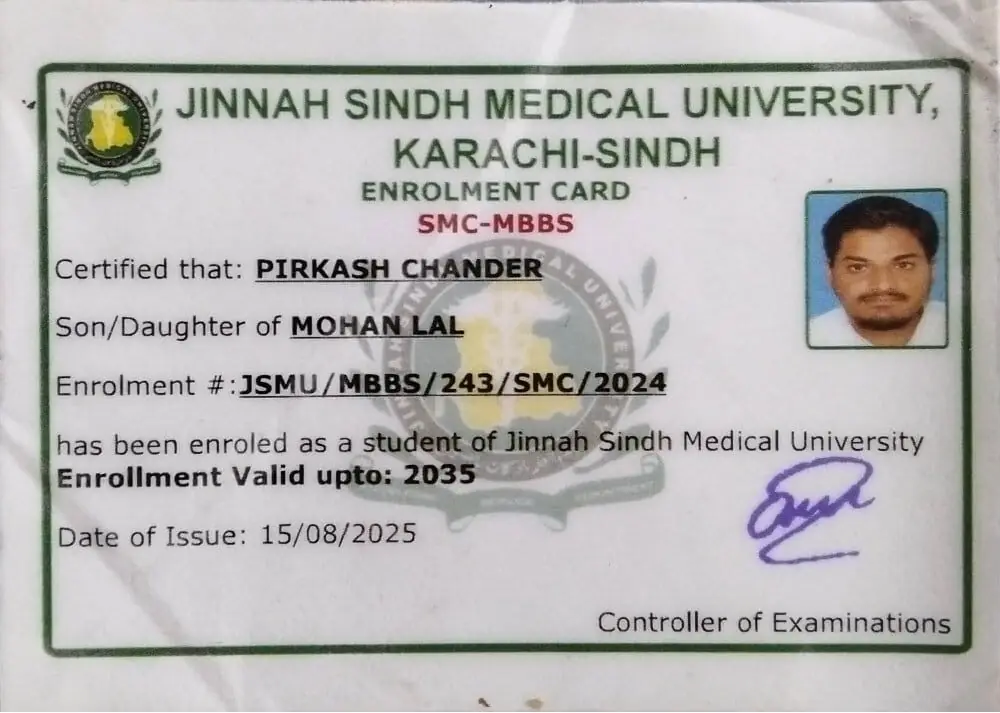
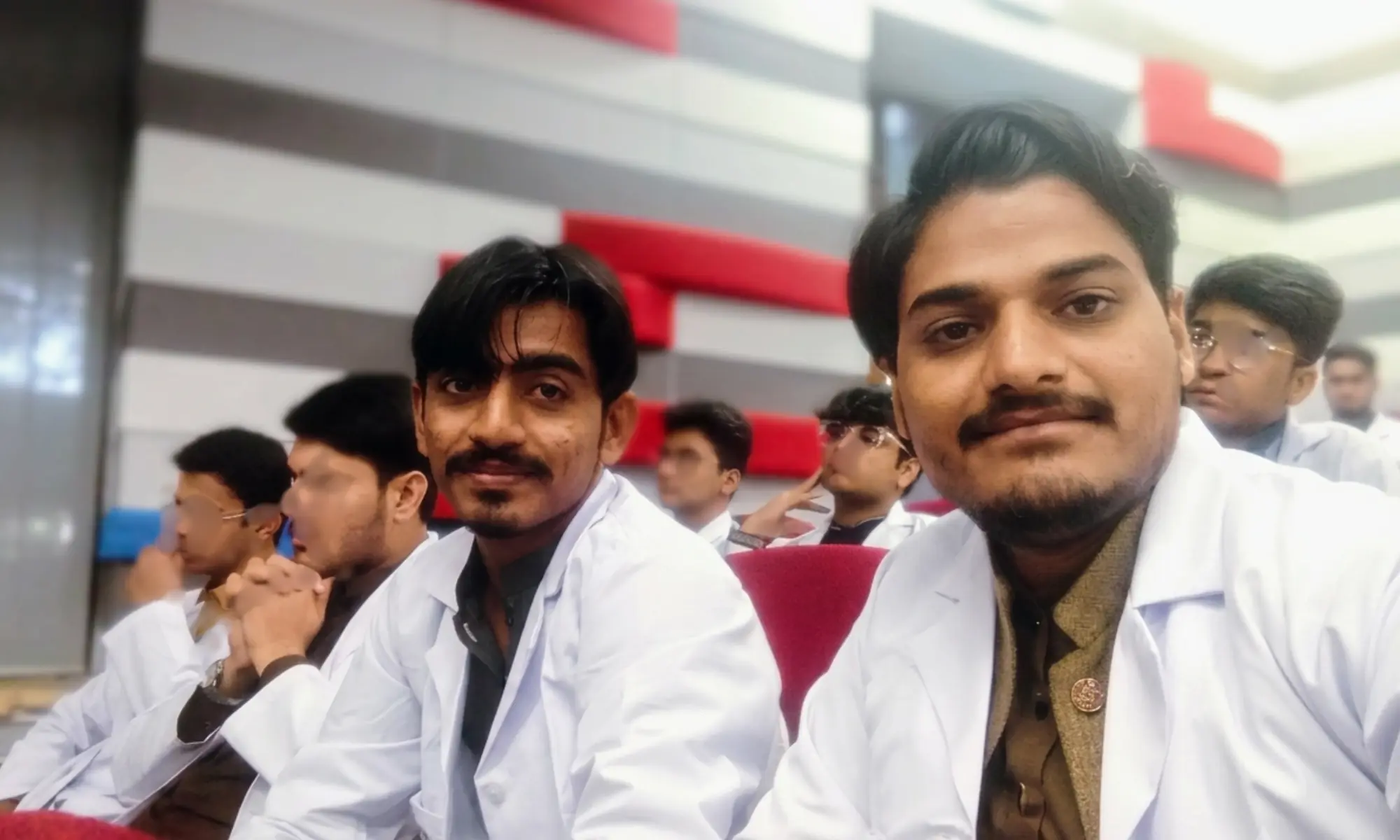
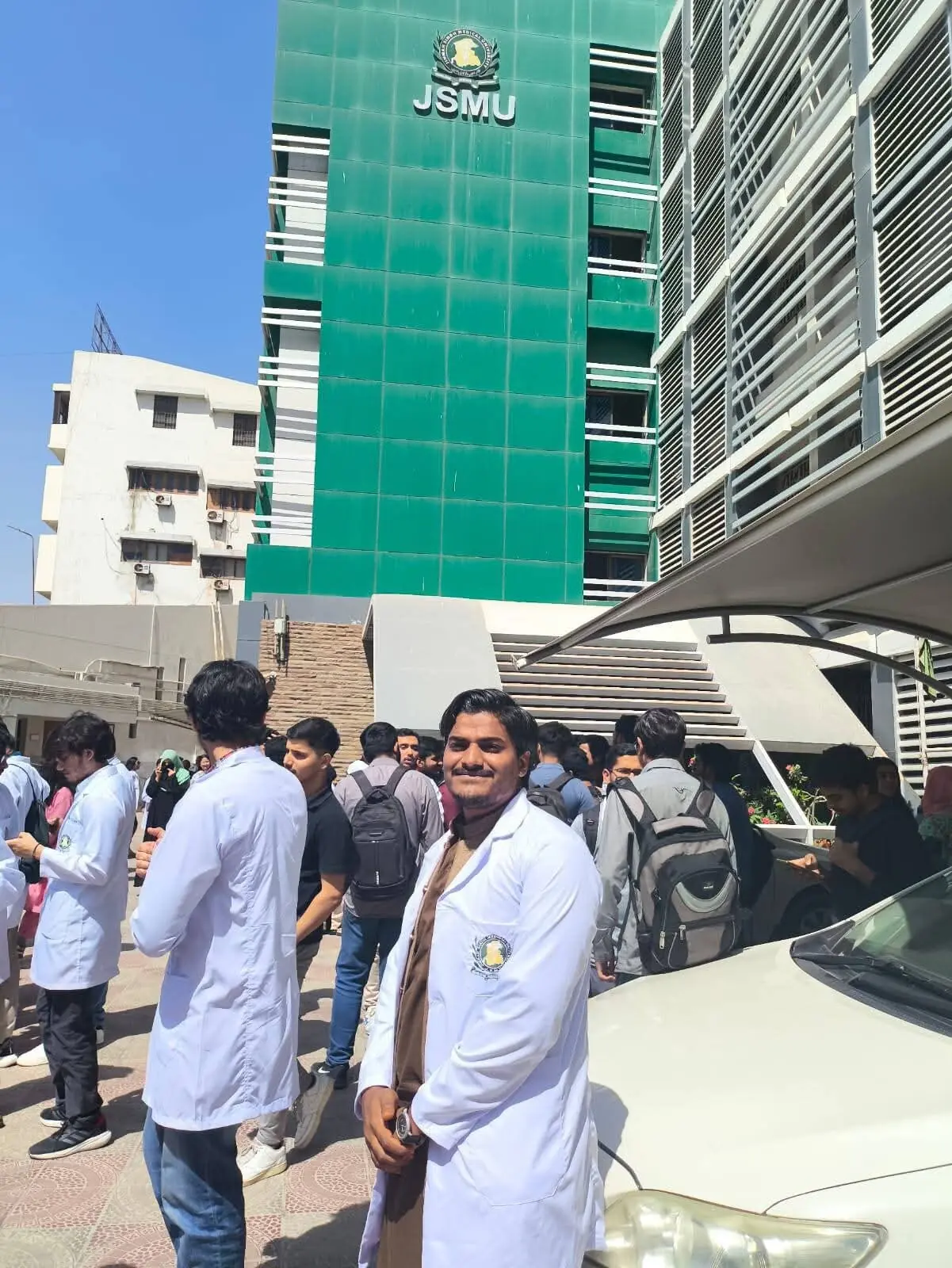
Today, I am pursuing an MBBS at Sindh Medical College in Karachi, where I spend my days studying subjects that once felt impossibly distant. As I work through my Head and Neck module, I sometimes think back to the uncertainty that surrounded the MDCAT and the dream I believed I had lost. I did not end up at the medical college I had imagined, but I realised that the dream had never really been about one particular college, It was about becoming a doctor.
The views expressed in Prism Reflections are those of the author and do not necessarily reflect the editorial policy of Dawn.
Prism Reflections is a space for voices and experiences that shape, and are shaped by, Pakistan’s defining news stories. Do you have a personal story that intersects with the news? Send it to prism@dawn.com.
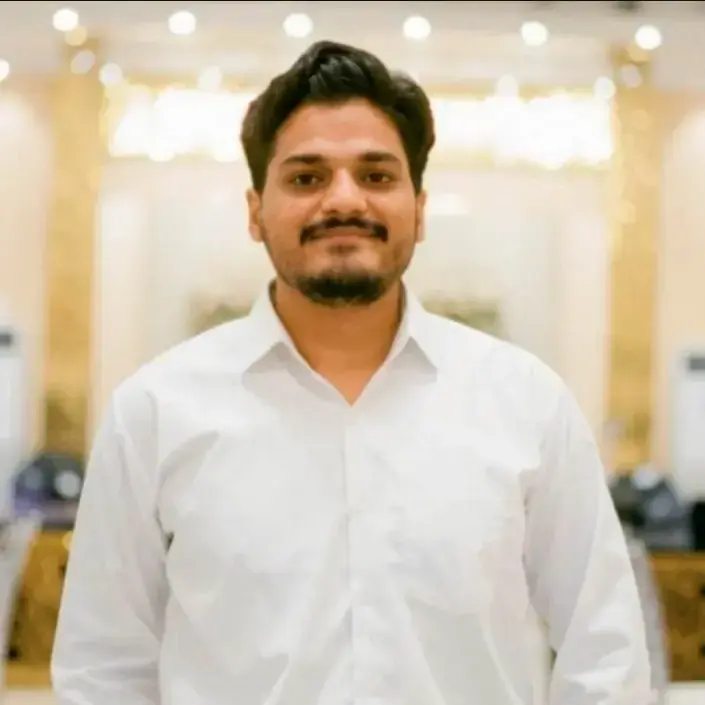
The writer is a second-year MBBS student at Sindh Medical College, JSMU, Karachi.