Inflation hits Peshawar households hard, says Institute of Regional Studies survey
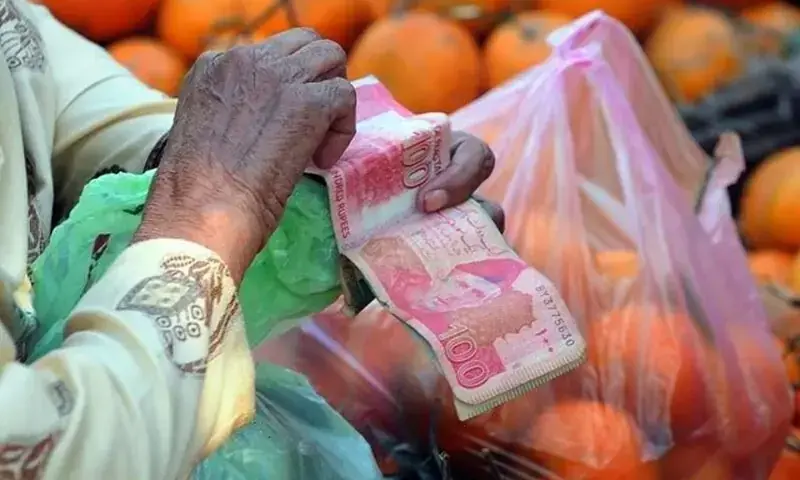

PESHAWAR: Rising inflation has pushed a large majority of low-income households in Peshawar into debt, with 89pc of families borrowing money to meet their daily expenses, says a survey conducted by the Institute of Regional Studies (IRS).
The survey also found that 95.1pc of households were finding it difficult to repay their loans amid rising living costs.
IRS chairman Dr Mohammad Iqbal Khalil released the survey report at a press conference at Peshawar Press Club on Wednesday.
He said the findings were based on information collected from 462 households in Peshawar, focus group discussions and consultations with various stakeholders.
Families forced to cut food, healthcare, education spending
Dr Khalil said though inflation was a nationwide issue, households in Peshawar had also been severely affected.
According to the survey, prices of various essential commodities and services had increased by 35 to 40pc , while 48.7pc of households in low-income areas described themselves as “severely affected” by inflation.
The report said 67.3pc of households reported that although their incomes had increased, their expenditures had risen much more sharply.
As many as 93pc of households complained about increased electricity, gas and fuel costs, while 86.4pc reported an increase in food expenditure.
The survey found that rising prices had forced many families to shift to cheaper food items. Healthcare costs had also emerged as a major concern, with 79.4pc of households saying they could not afford expenses of medical treatment.
Inflation has also affected education, says the report. Some 59.1pc of households said they had delayed payment of school fees, while 19.2pc had shifted their children from expensive schools to institutions charging lower fees.
Dr Khalil said rising petroleum prices had further strained household budgets and affected mobility. He said petroleum product prices had increased by around 50pc since Feb 2026, with 84.6pc of surveyed households reporting higher transport costs.
The increase in transport expenses had led 79.8pc of households to reduce trips to markets, 51.6pc to cut travel related to educational activities, 49.2pc to reduce journeys for employment purposes and 37.7pc to limit travel for medical needs, the report said.
The findings indicate that rising inflation has significantly increased financial pressures on middle and low-income households in Peshawar, with higher costs of food, healthcare, education, energy and transport putting additional strain on their budgets.
Dr Khalil said the survey showed that the impact of inflation was not confined to food prices but was affecting several aspects of household life including education, healthcare, employment, mobility and family finances.
Published in Dawn, October 1st, 2026