Inflation rebounds to 11pc in August

ISLAMABAD: Consumer inflation rose to 11.1 per cent in August from 9.2pc a month earlier, driven mainly by higher food and energy prices, according to data released by the Pakistan Bureau of Statistics (PBS) on Tuesday.
The reversal in inflation, measured by the Consumer Price Index (CPI), after two consecutive months of decline indicates that last month’s increase in petrol and diesel prices pushed up transportation costs. The daily price adjustments are, in fact, accelerating overall inflationary pressures. On a month-on-month basis, inflation increased by 1.2pc compared to the previous month.
In FY26, inflation was recorded at 7.05pc, up from 4.49pc in FY25. This higher rate was recorded despite the high base effect from the previous year. For FY27, the government has projected an inflation target of 8.2pc. Inflation between July and August stood at 10.17pc, as against 3.56pc over the corresponding period of last year.
The government had revised upward the petroleum prices after a drastic reduction in June. The impact of the revision is now reflected in the inflation figure for August, the second month of the new fiscal year.
Food, fuel costs put pressure on household budgets
The August increase in inflation was largely driven by transport costs, which surged by 20.17pc compared with the same month last year.
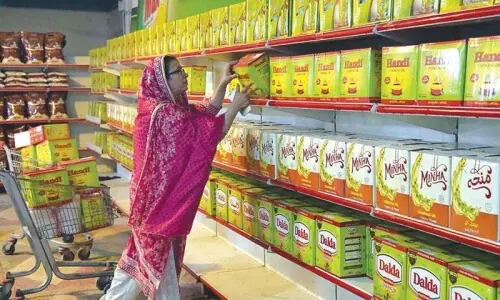
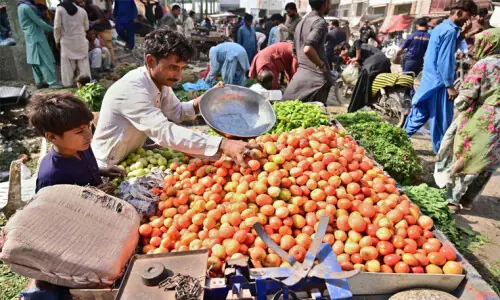
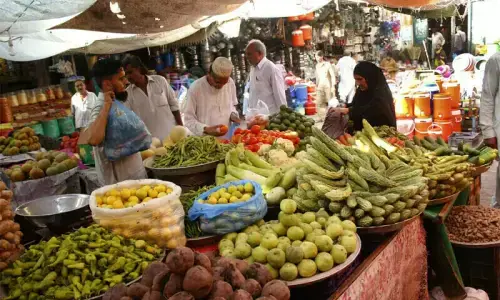
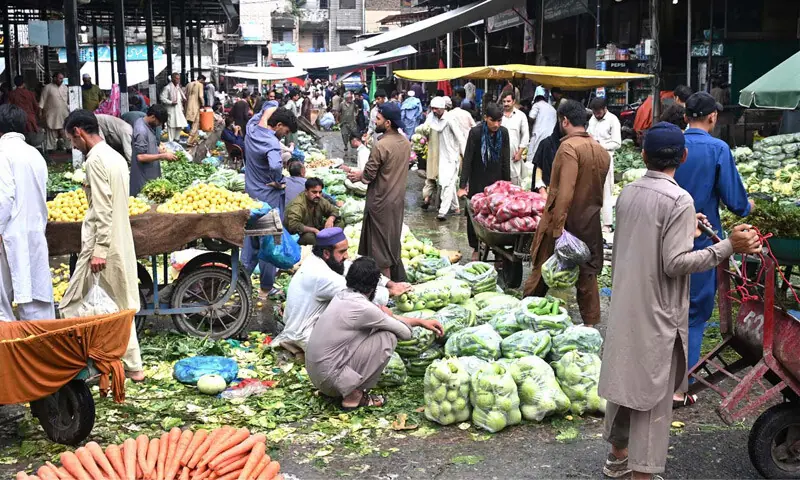
However, perishable food items recorded a sharp increase of 24.91pc in August, highlighting volatility in essential commodities. Non-perishable items also recorded a growth of 12.28pc from the previous month, adding further pressure on household budgets.
The State Bank increased its policy rate to 11.50pc from the previous 10.50pc in response to rising inflation.
The BPS data showed that urban inflation stood at 10.4pc in August, compared to 12.2pc in rural areas, on an annual basis. On a monthly basis, urban prices increased by 0.9pc, while a change of 1.6pc was recorded in rural inflation.
Food inflation in August increased by 12.1pc in urban areas and 13.2pc in rural areas. On a month-on-month basis, food inflation increased by 1pc in urban areas and 2.1pc in rural areas.
Non-food inflation reached 9.4pc in urban areas and 11.3pc in rural regions. This indicates that non-food inflation remains very high, despite steadily declining over the past few months.
In August, core inflation — excluding volatile food and energy components — stood at 8.8pc in urban areas and 8.6pc in rural areas. Urban food items that saw notable month-on-month price increases included onions (45.87pc), eggs (11.51pc), potatoes (6.82pc), fresh vegetables (5.50pc), wheat (5.25pc), pulse gram (4.77pc), besan (3.74pc), wheat flour (2.03pc), wheat products (1.67pc), tea (1.24pc), gram whole (1.06pc), pulse masoor (0.99pc), vegetable ghee (0.64pc), readymade food (0.61pc) and meat (0.54pc).
Declines were observed in the prices of fruits (12.49pc), beans (4.54pc), pulse moong (2.47pc), chicken (1.88pc), sugar (0.77pc), tomatoes (0.67pc), fish (0.53pc), bakery and confectionary (0.36pc), milk powder (0.01pc) and sweetmeat (0.01pc).
Non-food categories also witnessed price hikes, including motor fuel (5.61pc), water supply (4.15pc), mechanical services (1.81pc), electricity (1.70pc), appliances (1.42pc), transport services (1.35pc), medical tests (1.11pc), hospitals services (1.10pc), tailoring (1.02pc), doctor fee, drugs & medicines (0.85pc).
Published in Dawn, September 2nd, 2026