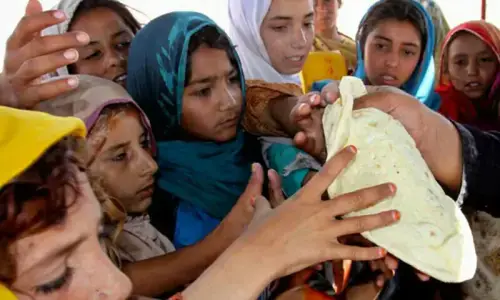
THE recent warning from UNHCR should alarm donor governments. Nearly 8.3m refugees and other forcibly displaced people are at risk of losing vital assistance as the UN refugee agency’s finances deteriorate. Funding fell from $5.2bn in 2024 to $3.9bn in 2025, while UNHCR says it needs $8.5bn this year and had received only 32pc by the end of July. These cuts are weakening essential services that register refugees, protect children, support survivors of sexual violence, and help displaced people rebuild their lives. The effects are already visible. In Chad, funding shortages have forced clinics, schools, and protection programmes to close or scale back; a maternity ward serving refugee women has also shut its doors. In Ethiopia, child protection coverage in some areas has fallen by as much as 85pc, while in Sudan tens of thousands of survivors of sexual violence and children at serious risk could lose critical support. When such safeguards disappear, displacement becomes more dangerous, exposing people once again to violence, exploitation, and abuse.
Pakistan has particular reason to pay attention. It has hosted generations of Afghans and remains home to more than 700,000 registered Afghan refugees, even as large numbers return across the border. Cuts to refugee protection, therefore, carry consequences — for Afghans still living in Pakistan and for families attempting to rebuild their lives after returning home. More broadly, some 117.8m people worldwide were forcibly displaced at the end of 2025, yet shrinking aid budgets are moving in the opposite direction. UNHCR has shed nearly 5,000 jobs, more than a quarter of its workforce. Such funding cuts are shortsighted. Refugee protection is not simply charity; it helps prevent poverty, insecurity, and displacement from deepening. Major donors must restore funding, while the burden should be shared more widely. There is little wisdom, and even less humanity, in saving money today only to face a larger displacement crisis tomorrow.
Published in Dawn, October 4th, 2026