ISLAMABAD: The US pressure could lead to ‘stricter’ conditions by the International Monetary Fund (IMF) to bailout Pakistan, including curtailment of China-Pakistan Economic Corridor and greater transparency in its financing, according to Fitch Rating.
The “US pressure could lead to stricter programme conditionality, including the curtailment of CPEC projects and greater transparency in CPEC financing”, said the New York-based rating agency. It said US backing was not strictly required to secure an IMF programme, but the IMF board emphasised consensus decision-making.
It said Pakistan’s incoming PTI-led coalition government will be under immediate pressure to arrest the deterioration in external finances and address fiscal challenges, as well as to attract the external funding necessary to meet its financing gap.
“The new government has more political capital to take positive though difficult policy actions, but it has a thin majority in parliament and faces a strong opposition, which could complicate policymaking,” Fitch said.
The rating agency expects Pakistan to seek potential financing from several sources including China and multilateral development banks, and possibly the IMF. Pakistan has been a repeated user of IMF financing, entering 12 programmes since 1980.
The IMF would probably require further fiscal and monetary tightening, greater exchange-rate flexibility, and wide-ranging structural reforms, which could also help attract other sources of financing.
Moreover, the IMF has unique monitoring mechanisms to implement corrective policies, without which there will continue to be significant uncertainty over the medium-term sustainability of Pakistan’s finances.
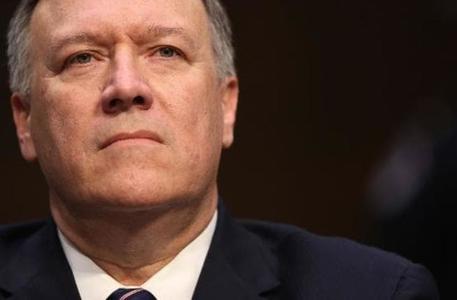
Negotiations over an IMF agreement could be complicated by loans linked to the CPEC, part of China’s Belt Road Initiative (BRI), particularly amid rising global geopolitical tensions. Recent statements from US Secretary of State Mike Pompeo suggest the US administration does not want IMF financing used to bail out Chinese lenders.
The $62bn CPEC project makes Pakistan one of the largest recipients of BRI financing. These loans have financed imports of capital goods, which have in turn inflated the current account deficit. The loans will eventually need to be repaid or refinanced.
The rating agency said PTI founder Imran Khan, outlined a broad economic agenda for a “New Pakistan” during his campaign, with a focus on confronting corruption, reducing inequality and expanding social services. However, advancement of this policy agenda is likely to be limited in the short term, with external and fiscal problems taking priority.
The current account deficit reached 5.6pc of GDP in the fiscal year ended June 2018, up from 4.7pc in FY17, while liquid foreign-exchange reserves fell by almost $4bn from end-December 2017 to end-July 2018 to just over $10bn.
The sharp rise in global risk aversion towards emerging markets, and a projected pickup in Pakistan’s external debt obligations in 2019 are adding to financing pressures. The fiscal deficit has also widened and is likely to well exceed previous estimate of 6pc of GDP in FY18, up from 5.8pc a year earlier.
Fitch revised the outlook on Pakistan’s ‘B’ rating to ‘negative’ from ‘stable’ in January to reflect these rising external and fiscal pressures.
The State Bank of Pakistan has already taken some steps, raising its policy rate by 175bps since January and introducing greater flexibility in the heavily managed rupee by allowing four separate depreciations since mid-December 2017, which resulted in a cumulative 17pc decline against the dollar.
These measures have so far not been enough to prevent the widening of the large external financing gap, which has been bridged with support from China, including an agreement to provide $2bn in additional bilateral lending in July. The Saudi-backed Islamic Development Bank has also reportedly extended a $4bn loan, the rating agency claimed.
The new government appeared to recognise the urgency of the situation, with the likely incoming finance minister, Asad Umar, stating that “all options are on the table” and that the government will formulate a policy and financing path within six weeks.
Published in Dawn, August 17th, 2018