Poliovirus detected in sewage from 10 cities
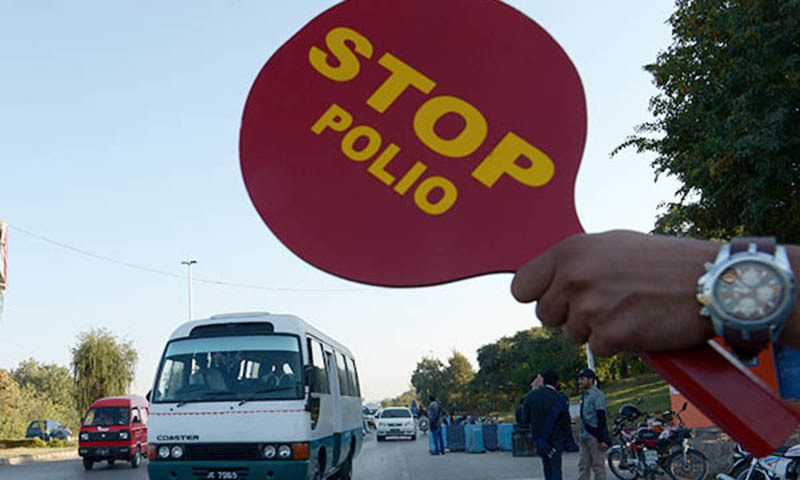

ISLAMABAD: Extensive environmental surveillance by the Pakistan Polio Eradication Programme has detected poliovirus in the sewage of 10 cities in the last month.
According to results shared by the National Emergency Operations Centre, the presence of the poliovirus was confirmed in sewage samples collected from Rawalpindi, Faisalabad, Lahore, Karachi, Sukkur, Killa Abdullah, Quetta, D.I. Khan, Peshawar and South Waziristan in January.
A sample is considered positive in poliovirus is detected in sewage water. A sewage water sample from an area is the basic parameter to determine if polio vaccination campaigns are being carried out successfully.
A polio case can be reported in any city due to the frequent movement of people from one city to another, but the presence of the virus in sewage water means that a vaccination campaign in the area did not meet its target. The presence of the virus in sewage water also shows that the immunity level of local children has fallen and they are at risk of the disease.
Considering the associated risks, the country’s polio eradication programme has urged parents to ensure children under the age of five are immunised during vaccination campaigns.
“Polio eradication is a delicate time race between [parents and healthcare workers] and a deadly poliovirus. We have to collectively ensure that we reach all children with multiple doses of vaccination before this dangerous poliovirus found in the sewages of these towns reaches unprotected children” Dr Rana Safdar, the coordinator for the National Emergency Operations Centre, said.
“The winter months provides the best chance to hit the poliovirus hard. Time is vital and we only have a window of eight weeks to get maximum advantage from the low transmission season. The programme is focusing on children who miss vaccination for any reason until the virus no longer survives,” he added.
“The continued presence of the poliovirus in the sewage of these major cities poses risks to all vulnerable and unprotected children across Pakistan. Poliovirus from the sewage of South Waziristan has paralysed a 3-month-old baby in Hangu and poliovirus from the sewage of Lahore has paralyzed an 8-month-child in Lahore.
“It is a reminder to everyone that the presence of poliovirus in the sewage of these towns can cause life-long paralysis, especially if the child is not repeatedly vaccinated, in the same town or in a distant town due to frequent population movement. I can’t emphasize enough how critically important it is to ensure that each and every child is vaccinated,” the Prime Minister’s Focal Person on Polio Eradication Babar bin Atta said.
Published in Dawn, February 17th, 2019