FAR-right movements have gained ground across the globe, blaming ethnic and religious ‘others’ for all of society’s failings. In some countries, groups that were once labelled extremists are now controlling the levers of power, making life difficult for minorities. Amongst the xenophobic trends spreading across the world is Islamophobia, as Muslims are targeted for their faith.
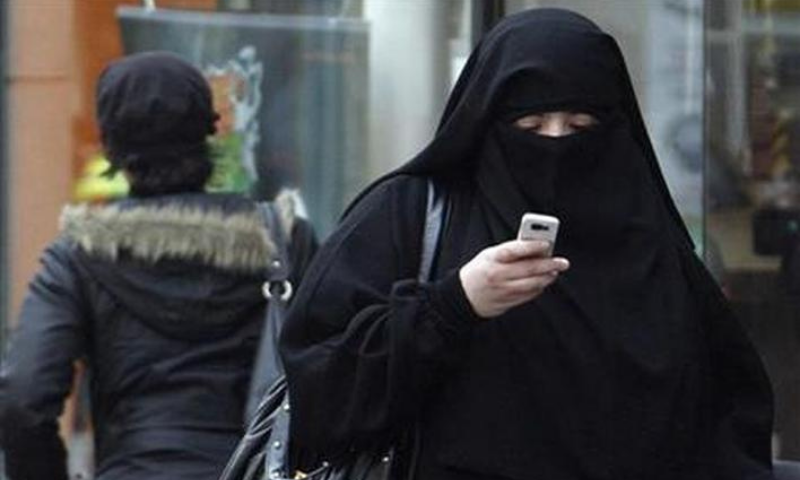
In this regard, the OIC’s decision to observe the International Day to Combat Islamophobia is a welcome initiative to raise awareness about anti-Muslim hate and come up with solid strategies to counter bigotry. As the Foreign Office has observed in a statement to mark the day, Islamophobia takes many forms, such as negative profiling, mob attacks by cow vigilantes and harassment of women wearing hijab.
The fact is that in a number of states Islamophobic policies are being supported at the government level. In Sri Lanka, a minister recently announced that the burqa would be banned, along with the closure of 1,000 Islamic schools, though that country’s foreign ministry said on Tuesday that the ban was “merely a proposal”. Over the past few years, there has been a rise in xenophobic Buddhist nationalism in Sri Lanka and following the 2019 Easter bombing carried out by IS militants in the country, Muslims have faced problems as they are not able to practise their faith freely.
For example, the government was forcing Muslim families to cremate their loved ones who had died of Covid-19 until the decision was reversed last month. Elsewhere, voters in Switzerland recently banned the burqa and niqab in that country, although very few people in the alpine state wear them. And in India, the Hindu chauvinist BJP has apparently adopted Islamophobia as a central plank of its state policy, passing laws that discriminate against Muslims while looking away when acts of violence target the community. In a recent incident, a Muslim boy was beaten for drinking water in a Hindu temple in UP.
The OIC should emphasise that discrimination against Muslims will not be tolerated, and that those who indulge in hate crimes must face the law. While terrorists acting in the name of Islam must be brought to justice, their misguided acts cannot be used as a cover to tar all Muslims with the same brush. Moreover, the civil rights of Muslims must be ensured, and they must be allowed to practise their faith freely.
Perhaps rulers — Muslim and non-Muslim — can learn a thing or two about compassion and communal harmony from New Zealand Prime Minister Jacinda Ardern. When mosques were attacked in the city of Christchurch by a far-right terrorist in 2019, Ms Ardern led from the front and embraced her country’s wounded Muslim community. On the second anniversary of the attacks, she again empathised with the victims, showing that if the state is determined, it can heal wounds instead of widening the communal gulf.
Published in Dawn, March 17th, 2021