WINTER is here — and so is the crippling gas crunch. Everyone is frustrated as the two public-sector gas utilities start rationing the fuel. This is not the first winter of shrinking supplies and growing demand. And it won’t be the last because successive governments have done little to find a durable solution to the problem. Nor are consumers prepared to modify their lifestyles and stop the wasteful use of gas.
Even businesses haven’t done much to prepare themselves, despite early warnings of a worsening crisis this year. They can only brace themselves for a bad winter in terms of gas supplies due to depleted local reserves and unaffordable imported LNG. Recently, senior Petroleum Division officials told a parliamentary panel that there was no option but to ration gas in view of the shortage increasing each year. That is nothing new.
It is exactly what the authorities have been doing over the last one and a half years. What is new is that this year, even households connected to SSGC and SNGPL pipelines will have to go without gas for 16 hours a day since the government has decided — and rightly so — to not provide expensive, imported LNG to residential consumers at a fraction of its actual cost.
Read more: Does LNG hold the key to Pakistan's energy woes?
However, gas rationing as a policy response to growing gas shortages cannot be the answer. Shortages are growing by the year. So is rationing. Pakistan needs gas. What should it do? It is obvious that our gas troubles cannot be dealt with on a long-term basis without increasing supplies.
There are two ways of doing this, First, we could attract companies to invest in new discoveries, as it is officially estimated that the current domestic gas reserves will be completely depleted over the next decade if no significant discoveries are made soon.
However, there is little foreign interest in investing in Pakistan’s oil and gas exploration sector. The reasons are obvious. Pakistan has long been a high-risk market for foreign firms due to continuous political instability, policy inconsistencies, weak contract enforcement, and security issues.
Officials here say that, instead of coming to Pakistan, big international petroleum companies prefer low-risk countries in search of oil and gas.
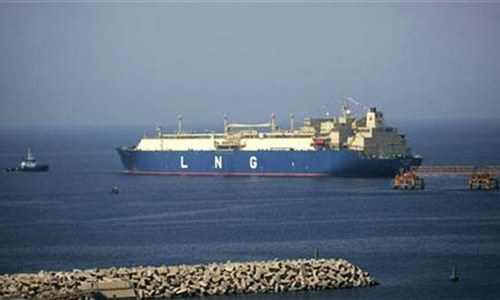
That leaves us with the only other option of importing LNG to cover supply gaps. That was what we did when we set up the country’s first RLNG terminal in 2015. But what the ongoing international commodity super cycle has taught us is that such an option works for countries like Pakistan — which are always faced with perpetual balance-of-payments troubles — only when international gas prices are low and affordable.
Thus, if Pakistan is to tackle the gas crunch, it must focus on early domestic gas discoveries. Or we can continue to ration gas till such time we are not left with any.
Published in Dawn, November 21st, 2022