India’s top court suspends Rahul Gandhi’s defamation conviction


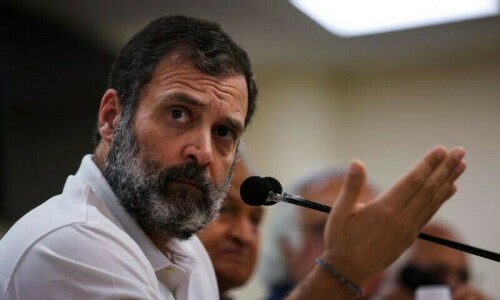
India’s top court on Friday suspended the defamation conviction of Rahul Gandhi, a decision that could pave the way for the senior opposition politician to return to parliament after his disqualification.
Gandhi, 53, was sentenced to two years’ imprisonment in March in a case that critics have said showed threats to the rule of law in the world’s largest democracy.
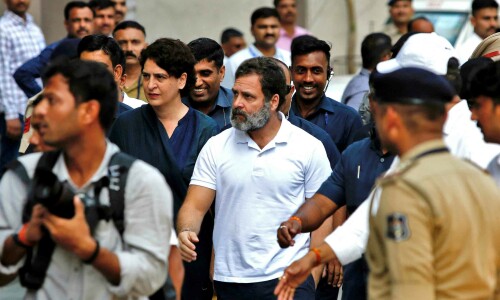
He was turfed out of the legislature as a result but has stayed out of jail while appealing the case up to the supreme court in New Delhi.
A justice there said that the initial trial judge had failed to justify imposing the maximum sentence on Gandhi for his comments, made during a campaign rally four years ago.
“The order of conviction needs to be stayed pending final adjudication,” Justice B.R. Gavai said in his ruling.
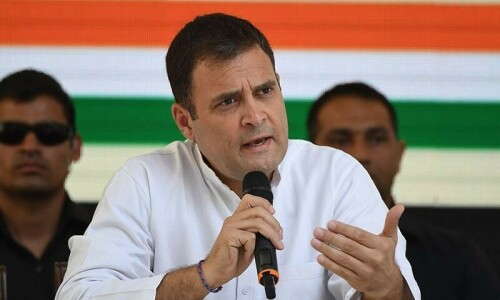
Gandhi is the leading face of the opposition Congress party, once the dominant force of Indian politics.
He is also the scion of India’s premier political dynasty and the son, grandson and great-grandson of former prime ministers, beginning with independence leader Jawaharlal Nehru.
But Congress has for years been repeatedly crushed in elections by Indian Prime Minister Narendra Modi’s ruling Bharatiya Janata Party and its nationalist appeals to India’s Hindu majority.
The conviction stemmed from a remark made during the 2019 election campaign when Gandhi had asked why “all thieves have Modi as (their) common surname”.
His comments were portrayed as a slur against the prime minister and against all those with the same surname, which is associated with the lower rungs of India’s caste hierarchy.
Anyone sentenced to a custodial term of two years or more is ineligible to sit in India’s parliament, forcing Gandhi’s expulsion from the body in March.
Gandhi’s 731-page submission to the Supreme Court said his speech was made “in the course of democratic political activity”.
His sentence was “gravely detrimental to democratic free speech”, added the document, which his party provided to AFP.
The case — one of several lodged against Gandhi in recent years — had until Friday only been heard by courts in Gujarat, Modi’s home state.
Legal action has been widely deployed against opposition party figures and institutions seen as critical of the Modi government during its nine years in power.
Domestic and international media have also come under growing pressure. In February, tax inspectors raided the local offices of Britain’s BBC.