Living in the shadow of death: how Palestinian kids bear perpetual trauma


• Gazans are said to be experiencing symptoms of continued trauma rather than PTSD
• Unicef notes 82pc children living with ‘fear of death’
YOUNG Muhammad Abu Luli was sleeping during the Al-Ahli Hospital airstrike, only to awaken in the grip of profound trauma. Upon waking up, he was paralysed for a brief amount of time, unable to articulate full sentences.
His eyes were terrified and he flinched as soon as a journalist tried to calm him down by running a hand over his head. He looked emptily into the eyes of the doctor who held him, minutes before breaking into tears. His condition spoke volumes about the ongoing ordeal of ‘continued trauma’ Gazans are going through at the moment.
Dr Iman Farajullah, a United States psychologist who was born and raised in Gaza, in a conversation with Al Jazeera shed light on the trauma people are coping with during war.
“The children of the Gaza Strip are very familiar with trauma, they have grown up with it and with each passing day I have started feeling that Gazans have grown comfortable with chaos now,” she said.
“They watch their family members, neighbours, and friends being killed, this causes anger and frustration in them, they tend to be more aggressive and suffer from depression, anxiety, and continuous traumatic stress disorder,” she added.
‘Never-ending suffering’
Farajullah specialises in treatment of refugees and minority groups for trauma and she has witnessed how some of the Gaza nationals have grown up with the trauma due to the conflict that has been going on for years now.
“When I walk on the street, people always talk about when is the next war coming” and then, pointing to her baby she asked, “How are we going to protect these children?”, she said.
In a conversation with Reuters, Gaza psychologist Fadel Abu Heen who is dealing with the patients on field during the war told that people have developed serious trauma symptoms like convulsions, bed-wetting, fear, aggressive behaviour, nervousness and dependency on parents/guardians.
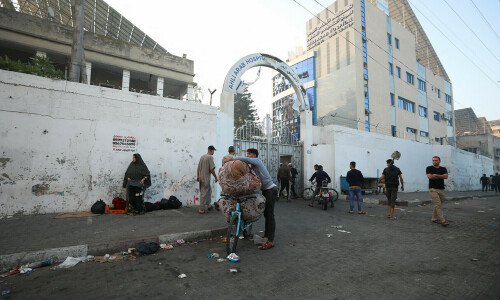
A mother of six children, Tahreer Tabash is sheltering at a school, and her children have developed symptoms of continued stress trauma.
“Our children suffer a lot at night. They cry all night, they pee themselves without meaning to and I don’t have time to clean up after them, one after the other,” she said.
“My children jump in fear even if they hear so much as a chair being moved,” she added.
“When there’s an explosion or any target getting hit nearby they are always screaming, always frightened. We try to calm the younger ones, try telling them, ‘Don’t worry, it’s just fireworks’. But the older ones understand what’s going on,” said Ibrahim al-Agha, an engineer sheltering in the house.
“They will need a lot of support mentally after this war finishes,” Mr Agha said.
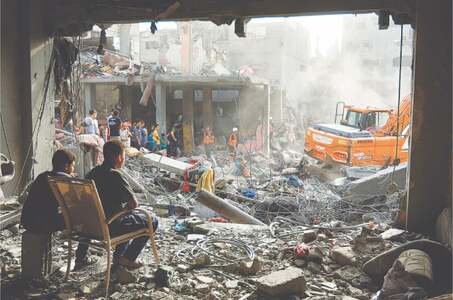
Approximately half of Gaza’s population, which numbers 2.3 million, consists of children. Since October 7, they have endured a relentless barrage of attacks, often finding refuge in temporary shelters within UN-managed schools after being forced to leave their homes. These children are grappling with severely limited access to basic necessities such as food and clean water.
‘Aftermath of trauma’
In Gaza, a 15-year-old child has undergone five distinct phases of intense trauma throughout their life: in 2008-9, 2012, 2014, 2021, and most recently in 2023.
Studies conducted following previous conflicts have revealed that a majority of Gaza’s children have displayed symptoms indicative of continued trauma.
Following the Operation Pillar of Defense in 2012, Unicef, the United Nations children’s agency, discovered that a staggering 82 per cent of children were either consistently or predominantly gripped by the fear of imminent death.
Among Unicef’s other discoveries were 91pc of children experienced disruptions in their sleep patterns during the conflict. 94pc disclosed that they slept alongside their parents. 85pc reported changes in their appetite. 82pc expressed feelings of anger. 97pc grappled with overwhelming insecurity. 38pc confessed to feeling guilty. 47pc resorted to biting their nails as a coping mechanism. 76pc reported experiencing itching or physical discomfort.
Following Operation Cast Lead, a three-week conflict in 2008-09, a study conducted by the Gaza Community Mental Health Programme (GCMHP) revealed that 75pc of children over the age of six exhibited one or more symptoms of post-traumatic stress disorder, with nearly one in 10 meeting all the criteria for this condition.
Published in Dawn, October 26th, 2023