ISLAMABAD: The impact of climate change is not gender neutral as women bear the brunt of environmental disasters, making them disproportionately vulnerable to displacement, economic instability, and violence, said British High Commissioner to Pakistan Jane Marriott.
In her keynote address on empowering women to fight climate change, Ms Marriott highlighted the pressing issue, citing global statistics that 80 per cent of people displaced by climate change were women. Moreover, women and children were 14 times more likely to die in climate-related disasters.
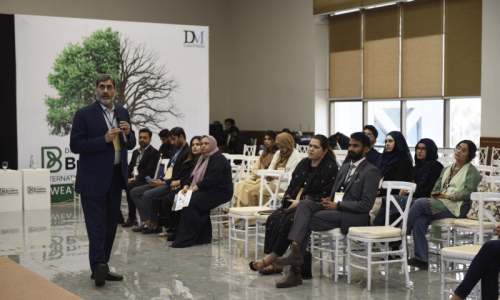
Addressing the Breath Pakistan Conference organised by DawnMedia, she emphasised that past catastrophes illustrated this stark reality. During the 2003 European heat wave and the 2004 Indian Ocean tsunami, more women perished compared to men. The reasons were multifaceted — social expectations, mobility restrictions, and lack of confidence in navigating crisis situations — all contributing to increased vulnerability.
Climate change affected men as well, but Ms Marriott pointed out that women often faced additional burdens, particularly in lower-income regions where they were more likely to depend on agriculture and small-scale enterprises for their livelihoods. When disasters struck, women frequently lost their primary sources of income and faced significant barriers in accessing financial services, limiting their ability to rebuild and recover.
l Women and children are 14 times more likely to die in climate-related disasters l During floods and other emergencies, community services such as policing and law enforcement become strained, exposing women to sexual and domestic violence, says British envoy
Beyond economic struggles, the repercussions of climate disasters extended to security concerns. During floods and other emergencies, community services such as policing and law enforcement became strained, exposing women to heightened risks of sexual and domestic violence.
In Kenya, for example, a survey found that domestic violence increased by 60pc in areas affected by climate-induced economic hardships.

The British envoy stressed the urgency of integrating women and girls into crisis preparedness and resilience planning. Inclusive decision-making could lead to more effective climate adaptation strategies. She referenced a UN report indicating that, given equal access to resources, women could increase agricultural yields by 20 to 30 per cent — an essential factor in combating food insecurity in climate-affected regions.
Calling for inclusive action, Ms Marriott underscored the importance of engaging the private sector in climate investment while ensuring that both men and women played active roles in shaping sustainable solutions. Mainstreaming gender issues in climate policies is not just a necessity it is an opportunity to create more resilient communities.
Addressing climate change requires a collaborative effort, and empowering women is key to building a sustainable future for all, she said.
Published in Dawn, February 8th, 2025