Escape flotillas leaving Israeli shores
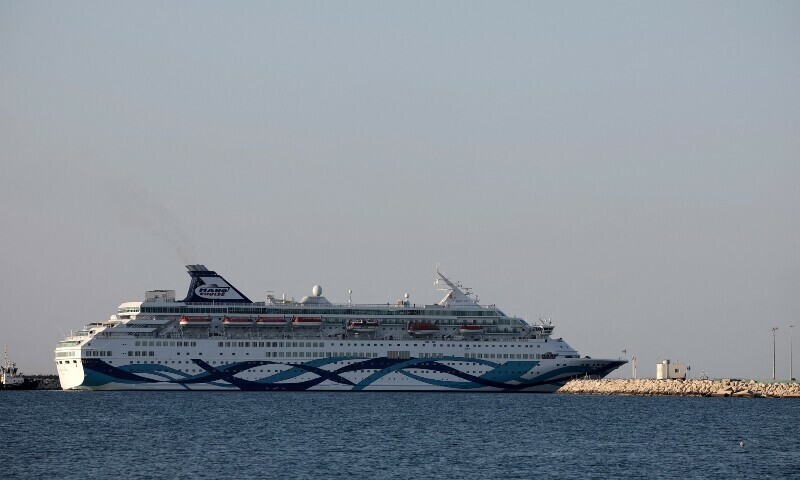

The marina in Herzliya — a coastal town on the outskirts of Tel Aviv — has recently taken on the atmosphere of a makeshift terminal.
From seven in the morning, people begin to arrive — mostly alone, some in couples, a few with families — dragging trolleys and scanning the docks for the yacht scheduled to carry them to Cyprus, and from there, to anywhere but here.
According to a report by Israeli publication Haaretz, this marina and others like it in Haifa and Ashkelon, are now becoming gathering spots for many who want to leave Israel this way, in the absence of air travel.
The Population and Immigration Authority has not yet been able to assess the scale of the phenomenon.
Most passengers say they don’t live in Israel and are simply trying to get back home. Others say they’re heading abroad to join children or partners. Only a few admit they are fleeing the threat of Iranian missile attacks. None are willing to speak openly to reporters, Haaretz reported.
At the Abulafia bakery in Jaffa, Captain Moshe and his group of retired seamen gather daily. According to them, sailing to Cyprus in a yacht is not for everyone. “You know what a nightmare it is?” asks one of them. “Waves, seasickness – these people have no idea what’s waiting for them.” The voyage, he says, isn’t dangerous. But for those unused to sailing, “they’ll curse the moment they left.”
Meanwhile, on one of the yachts, a safety briefing is underway. “At night we’ll stand watches,” the captain tells six serious-looking passengers.
The briefing includes a lesson on seasickness: where to vomit (“off the rear side of the deck, so it doesn’t blow back at us”), and the importance of bringing lemons and meds.
Passengers say they paid 2,500 shekels each for this particular sail. They say they were quoted even higher prices. “Someone asked me for 6,000,” one passenger says. “It’s all supply and demand.”
One captain adds that not all vessels are operating legally: some private owners are charging passengers without having proper insurance for transporting people.
Published in Dawn, June 18th, 2025