IN restive KP, it seems nobody is on the same page. A tribal jirga representing the erstwhile Fata region and backed by religio-political parties wants the merger of the tribal areas with the province reversed.
The federal government, while willing to offer some concessions, is not in favour of that demand. Separately, the KP government has said a firm ‘no’ to any kinetic operations in the province. On the other hand, the country’s security establishment apparently wants it to be known that it can resort to any option regardless of what Peshawar wants.
The people of KP, too, stand opposed to kinetic measures; at the same time, they also strongly desire to be rid of the militant presence. With the vitiated state of national politics preventing different stakeholders from coming together and working out acceptable solutions to KP’s many issues, the province’s social fabric continues to fray and warp.
One wonders why the reversal of Fata’s merger with KP is being brought up now. The ‘mainstreaming’ of the region was a significant milestone that finally opened the door to its overdue development and modernisation. Previously ruled under colonial-era laws, Fata residents were finally able to gain representation in the KP Assembly and elect their own leaders. They also gained access to regular courts, police and public services, which was a marked improvement over being governed by the Frontier Crimes Regulation and relying on irregular tribal militias for their security needs.
Progress on the administrative end has indeed been slow, and funding shortfalls have hampered development plans, but these are not enough reasons to roll back the 25th Amendment. The residents of that region deserve to be considered and treated like all other citizens of Pakistan, and the government has done well to reject the tribal jirga’s main demand.
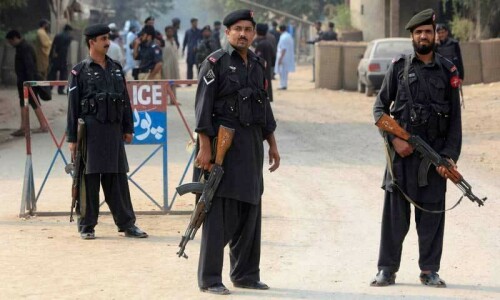
At the same time, the province’s deteriorating security situation, which disproportionately affects the erstwhile tribal areas, needs a mature response. The lack of political consensus may be attributed to the establishment’s persistent interference in civilian affairs, but the KP government also has questions to answer.
In the past, the PTI appeared sympathetic to the Pakistani Taliban. It may be recalled that there was even a drive to ‘settle’ hardened militants in KP while it was ruling in the centre. Today, the party is criticising the state for its policy of ‘good Taliban, bad Taliban’. Has it finally accepted its mistake in trusting militant outfits — a mistake which cost the country numerous lives? And if so, what is it doing to make amends?
If military operations are not an option, then, as a representative of the people, the KP government should propose alternatives. The centre must not impose a solution, but Peshawar also cannot just stand by and complain.
Published in Dawn, July 26th, 2025