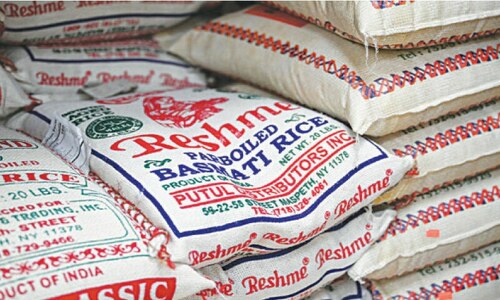
LAHORE: Pakistan’s rice exports fell 28 per cent in the first quarter of FY26, raising concerns within the sector about policy and regulatory barriers that continue to undermine competitiveness.
According to official data, total rice exports dropped to 712,797 tonnes from 991,146 tonnes during the same period last year.
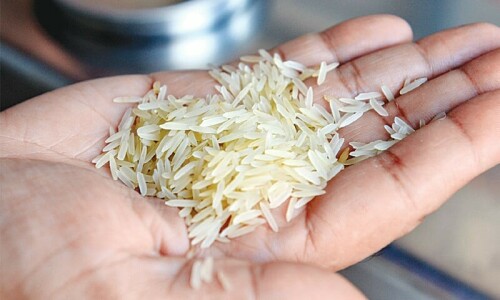
The decline was most pronounced in the basmati segment, which fell 45.5pc to 137,066 tonnes from 248,500 tonnes, while non-basmati exports declined 22.1pc to 575,731 tonnes from 764,700 tonnes.
Analysts attribute the fall to a mix of fiscal, monetary, and administrative measures that have made Pakistani rice less competitive internationally, especially against India.
Basmati shipments plunge 45.5pc as exporters blame policy hurdles
Rice analyst Hamid Malik said the State Bank of Pakistan’s (SBP) policy has made export financing around 600 basis points costlier than in India.
He added that the rupee’s managed appreciation — from Rs284.70 to Rs280.85 per dollar during the harvest season — further inflated export prices. In contrast, the Reserve Bank of India typically allows a gradual depreciation of the Indian rupee during harvest, boosting its exporters’ price advantage.
Exporters also point to the switch from the Final Tax Regime (FTR) to the Normal Tax Regime (NTR), which has reduced net margins, along with inconsistent enforcement of phytosanitary standards and alleged harassment by the Federal Investigation Agency (FIA).
A Rice Exporters Association of Pakistan (Reap) official said India’s decision to lift its rice export ban, remove the basmati minimum export price (MEP), and zero-rate rice exports had further tilted the regional market.
Weak enforcement of the Commodity Hoarding Act 1977, he added, allows hoarding at the start of the harvest, creating artificial shortages and pushing up domestic prices.
The Reap official urged the government to introduce a consistent border trade policy, an export guarantee and insurance mechanism, and to act against hoarding and malpractice to support the sector.
Guard Agricultural Research & Services CEO Shahzad Ali Malik said exports had begun to recover in September and October as new crop arrivals stabilised prices.
He expressed optimism about improved yields this season, citing timely sowing and favourable weather conditions compared to previous years when early sowing led to heat stress and yield losses.
Published in Dawn, October 30th, 2025