Pakistan denounces India’s suspension of IWT, says such acts set precedent for ‘resource-based coercion’
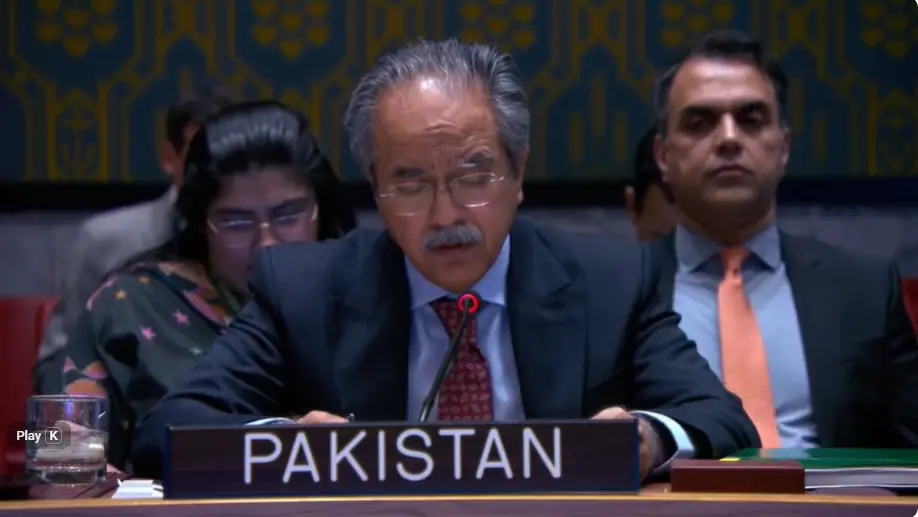

Pakistan has denounced India’s unilateral suspension of the Indus Water Treaty (IWT), saying that such acts set a precedent for “resource-based coercion”.
Ambassador Asim Iftikhar Ahmad, Pakistan’s permanent representative, made the remarks while addressing the UN Security Council (UNSC). According to a press release issued by the Permanent Mission of Pakistan to the United Nations (UN), the envoy sounded alarm over the “deliberate weaponisation of shared natural resources”, citing the suspension of the IWT as an example.
In his remarks, he warned that the move “should be of grave concern for every member of this council and for the international community as a whole”.
“For more than six decades, this treaty has stood as a model of cooperation, ensuring equitable and predictable sharing of the Indus basin’s waters between Pakistan and India even in times of war,” he said.
“India’s unlawful unilateral decision to suspend this framework undermines the letter and spirit of this treaty, threatens ecosystems, disrupts data sharing and endangers the lives of millions who depend on the Indus water system for food and energy security for their very survival,” he said.
The ambassador emphasised that “such acts do not just harm one country … they weaken confidence in international water law and set a precedent for resource-based and driven coercion elsewhere.”
The envoy asserted that “Pakistan has consistently maintained that no provision of the IWT permits unilateral suspension or modification”.
Reiterating Pakistan’s position on the matter, the ambassador called for “full respect for the treaty and an early return to compliance and normal functioning through the established channels.”
According to the press release, Ambassador Asim also highlighted the structural nexus between environment and security and advocated a paradigm shift toward preventive and sustainable peacebuilding.
He also urged “concerted international measures to integrate environmental considerations into conflict prevention, peacekeeping, and post-conflict recovery”.
He called on the UNSC to “fulfil its charter responsibility to address threats to international peace and security at their very inception”. Ahmad further cautioned that “environmental degradation in conflict is not just collateral damage but also a catalyst for instability.”
He reaffirmed Pakistan’s “determination to advance collective action for ecological restoration, strengthen compliance with international law, and transform shared natural resources into instruments of cooperation rather than vectors of division”.
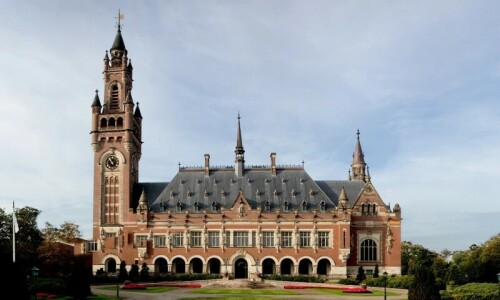
Under the 1960 IWT, three rivers that flow westwards were awarded to Pakistan, with India getting three eastern-flowing rivers. In 2023, Pakistan brought a case to the the Permanent Court of Arbitration (PCA) in The Hague over the design of Indian hydropower projects on rivers that were awarded to Pakistan under the treaty.
In April, India held the IWT in abeyance following the attack on tourists in occupied Kashmir’s Pahalgam that killed 26 — an incident New Delhi blamed on Islamabad without evidence. Pakistan termed any attempt to suspend its water share an “act of war”.
In June, the PCA issued a “Supplemental Award of Competence” in the case, stating that India cannot unilaterally hold the treaty in abeyance.
The court, in its August ruling in the case, said it had jurisdiction over the dispute and ruled the treaty “does not permit India to generate hydro-electric power on the Western Rivers based on what might be the ideal or best practices approach for engineering” of these projects. Instead, the design of these projects must adhere “strictly” to the specifications laid down in the treaty, the court said, adding that India must generally “let flow” the waters of the western rivers for Pakistan’s “unrestricted use”.
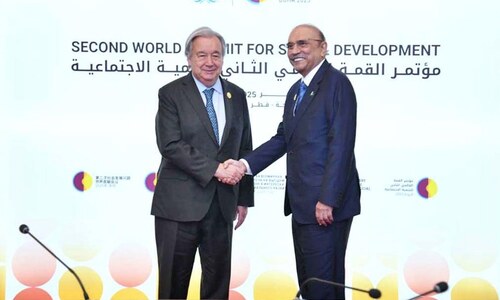
Earlier this week, President Asif Ali Zardari said that the violation of the IWT by India could not and would not succeed, and warned against the weaponisation of water.