Flat cotton output triggers calls for policy reforms
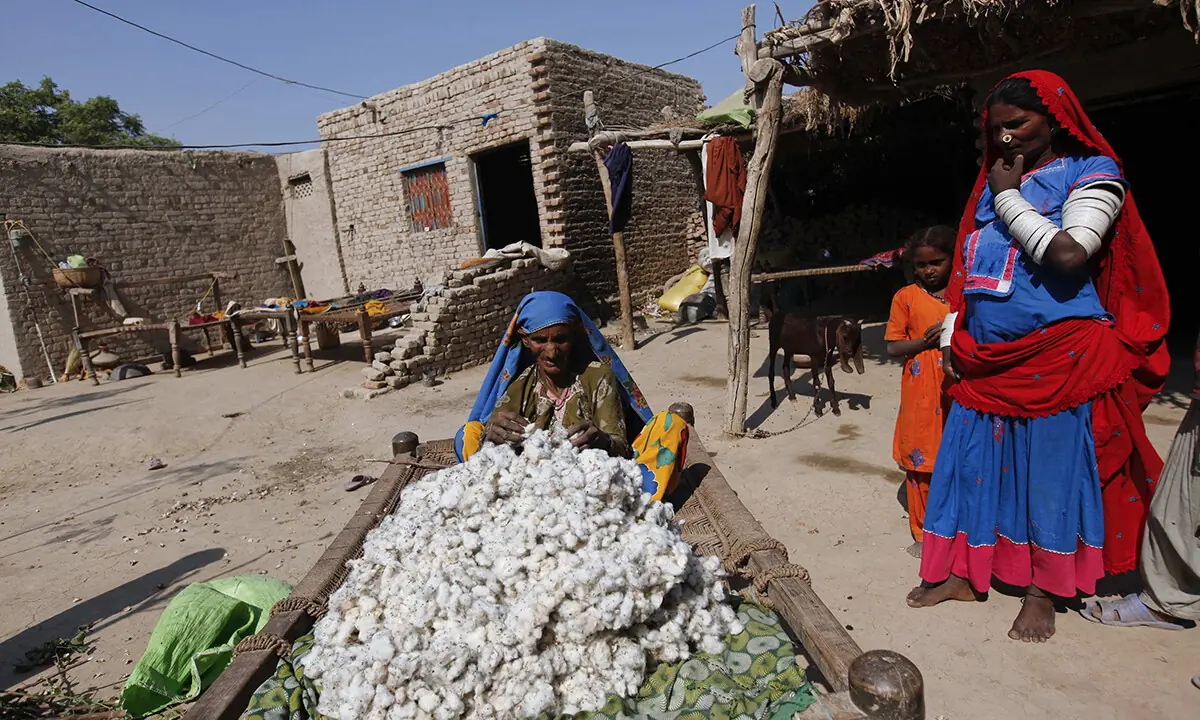

LAHORE: The local cotton industry is facing a deepening crisis as the data released by the Pakistan Cotton Ginners Association (PCGA) on Wednesday showed a decline in national arrivals and growing stress on the ginning and spinning sectors.
Experts warn that without urgent policy reforms, research investments and protection from unchecked imports, the economic strain on the entire cotton value chain will intensify.
According to Business Club analyst Haseeb Ahmad, total cotton arrivals as of Nov 30 stood at 5,133,620 bales, down from last year’s 5,190,725 bales. He noted that unsold stocks have reached 667,257 bales. “The numbers paint a troubling picture. We are producing less, consuming less, and relying more on imports,” Ahmad remarked.
Head of Technology Transfer at the Central Cotton Research Institute, Multan, Sajid Mahmood, said the PCGA report “highlights the severity of the cotton crisis”. He explained that Punjab recorded a shortfall of 110,437 bales compared to last year, down 4.49pc, while Sindh showed a slight increase.
“The most critical issue is the absence of a viable support price,” Mahmood said. “Farmers shift to profitable crops like sugarcane and rice, and climate extremes, along with pests such as whitefly and pink bollworm, further destroy the crop.”
He pointed out that the domestic textile industry needs over 15 million bales annually, forcing the country to spend billions of dollars on imports.
Naseem Usman of the Karachi Cotton Brokers Association expects local lint production to reach 5.5m bales.
Ihsanul Haq of Cotton Ginners Forum warned that massive imports of cotton yarn and fabric from China and other countries have pushed the country’s largest yarn market, Faisalabad, into “the worst economic crisis in its history.”
Published in Dawn, December 4th, 2025