Pakistan, 7 other Muslim-majority nations express ‘deepest concern’ over deteriorating humanitarian conditions in Gaza
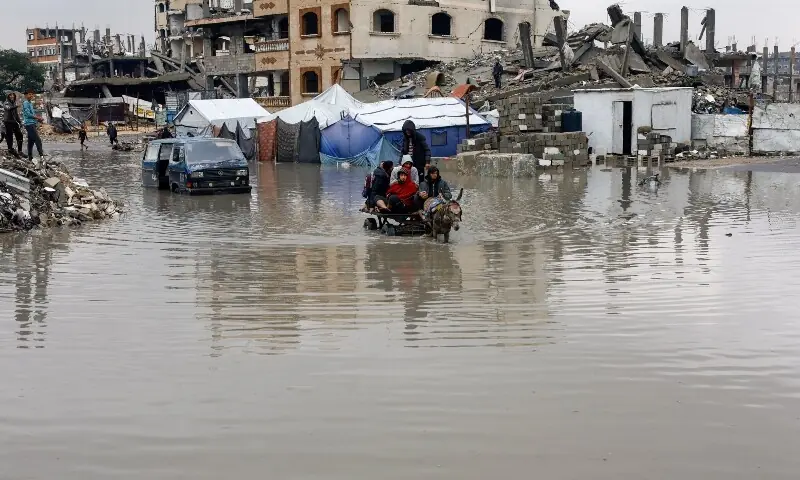

Eight Muslim-majority countries, including Pakistan, on Friday expressed concern at the “deteriorating” humanitarian conditions in the Gaza Strip — exacerbated by severe weather conditions — and stressed the need to immediately initiate and scale up early recovery efforts.
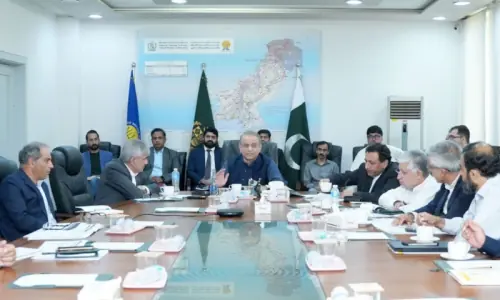
In a joint statement, the foreign ministers of Pakistan, Egypt, Qatar, Indonesia, Jordan, Turkiye, Saudi Arabia, and the United Arab Emirates (UAE), expressed their “deepest concern” at the humanitarian situation in Gaza.
These countries had also worked with US President Donald Trump’s administration last year on a plan to end Israel’s genocide and invasion in Gaza. A fragile ceasefire has been in place in Gaza since October as a result of the effort, with Israel violating the truce multiple times by carrying out attacks in the Gaza Strip.
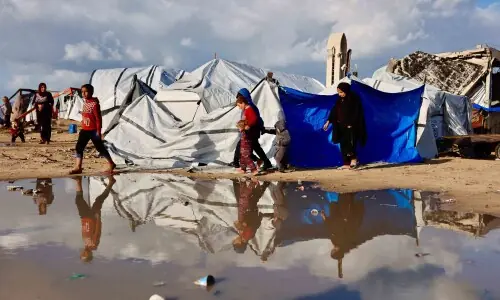
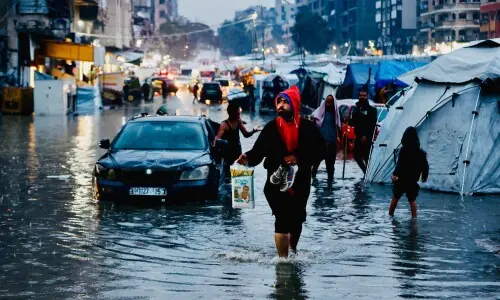
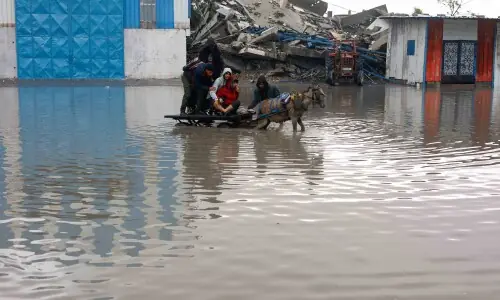
Last month, the UN International Organisation for Migration had said that hundreds of thousands of displaced Palestinians were facing flooding of their tents and shelters due to heavy rains, and materials for shelters and sandbags were not being allowed to enter the enclave.
Much of Gaza’s infrastructure has also been destroyed because of the war, and Palestinians are facing grim living conditions.
In their joint statement on Friday, the eight Muslim-majority nations highlighted that severe, harsh, and unstable weather conditions, including heavy rainfall and storms, had exacerbated the deteriorating humanitarian situation in Gaza.
The situation had been further “compounded by the continued lack of sufficient humanitarian access, acute shortages of essential life-saving supplies, and the slow pace of the entry of essential materials required for the rehabilitation of basic services and the establishment of temporary housing”, the statement said.
It added that the “severe weather has laid bare the fragility of existing humanitarian conditions, particularly for almost 1.9 million people, and displaced families living in inadequate shelters.”
“Flooded camps, damaged tents, the collapse of damaged buildings and exposure to cold temperatures, coupled with malnutrition, have significantly heightened risks to civilian lives, including due to disease outbreaks, especially among children, women, the elderly, and individuals with medical vulnerabilities.”
The foreign ministers, in their joint statement, also lauded the “tireless efforts“ of United Nations’ organisations, in particular the UN agency for Palestinian refugees (UNRWA), and other humanitarian international NGOs, in continuing to assist Palestinian civilians and deliver humanitarian assistance under extremely difficult and complex circumstances.
They demanded that Israel ensure the UN and international NGOs were able to operate in Gaza and the West Bank in a sustained, predictable, and unrestricted manner, given their integral role in the humanitarian response in the Strip.
“Any attempt to impede their ability to operate is unacceptable,” the statement said.
The foreign ministers also expressed “full support” for a US-drafted resolution that endorses Trump’s plan to end the war in Gaza and was adopted by the UN Security Council in November last year. They also reaffirmed their support for Trump’s Gaza plan and their “intention to contribute to the successful implementation thereof, with a view to ensuring the sustainability of the ceasefire, bringing an end to the war in Gaza, to secure a dignified life for the Palestinian people who have endured prolonged humanitarian suffering, and leading to a credible pathway to Palestinian self-determination and statehood”.
They also called for the “urgent need to immediately initiate and scale up early recovery efforts”, including the provision of durable and dignified shelter to protect the population from the severe winter conditions.
The joint statement further said that the international community should “uphold its legal and moral responsibilities to pressure Israel, as the occupying power, to immediately lift constraints on the entry and distribution of essential supplies, including tents, shelter materials, medical assistance, clean water, fuel, and sanitation support.”
The ministers also called for “immediate, full, and unhindered humanitarian aid into the Gaza Strip without any interference by either party, through the UN and its agencies, the rehabilitation of infrastructure and hospitals, and the opening of the Rafah Crossing in both directions as stipulated in President Trump’s plan,” the statement read.