Transition to clean energy govt’s top priority: president


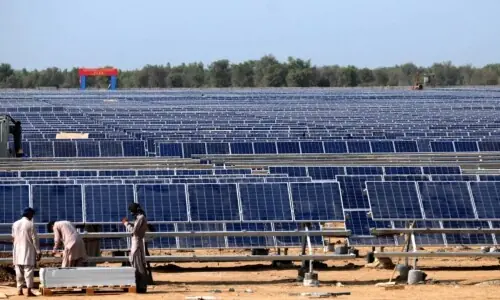
ISLAMABAD: President Asif Ali Zardari has said that the transition to clean energy is Pakistan’s top priority, with a target of achieving 30 per cent electric vehicles by 2030.
“Pakistan is among the countries most vulnerable to the adverse impacts of climate change. For this reason, the government has placed the transition to clean energy at the heart of its climate and development agenda. Under its commitments to the UNFCCC, as reflected in the Nationally Determined Contributions (NDCs) 2025, Pakistan has set the target of 30pc electric vehicles by 2030,” President Zardari said in his message on the International Day of Clean Energy.
The president said the shift to clean energy was not only an environmental necessity but also an opportunity for economic growth, job creation, and technological progress. By encouraging innovation, mobilising investment, and strengthening institutional capacity, Pakistan aims to build an energy system that is reliable, affordable, resilient, and sustainable for all citizens.
He urged the nation to reaffirm its resolve to build a climate resilient, low-carbon, and energy-secure Pakistan, and, as a responsible member of the global community, to support the development and adoption of technologies that sustain and improve the planet, while moving away from those that threaten its existence.
Says Pakistan targets 30pc electric vehicles by 2030
President Zardari said the International Day of Clean Energy highlighted the central role of clean, affordable, and sustainable energy in inclusive development, energy security, and the global response to climate change.
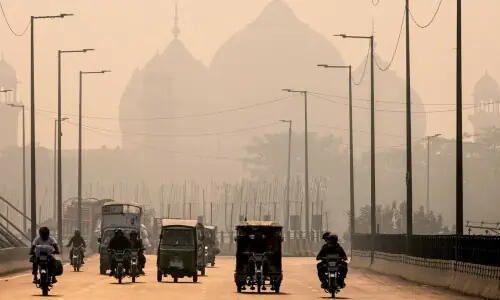
He noted that air pollution has become a harsh and recurring reality for the people of Pakistan. Each year, dense smog and fog lead to serious traffic accidents, flight cancellations, disruption of train services, and closure of motorways. Schools are forced to shut, businesses suffer loses, and hospitals receive patients struggling to breathe clean air. While air purifiers have become common in affluent households, millions of citizens remain exposed to hazardous conditions, underscoring the deep social and economic cost of polluted air.
Published in Dawn, January 26th, 2026