Govt increases levy on high-octane fuel used in luxury vehicles by Rs200 per litre
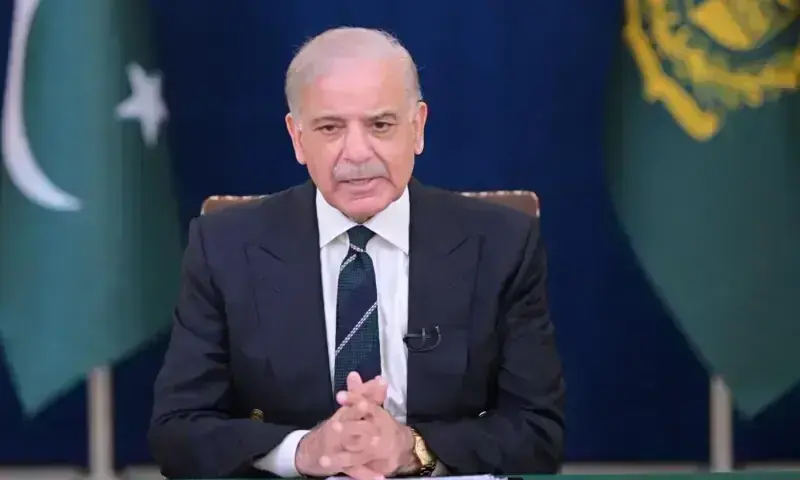

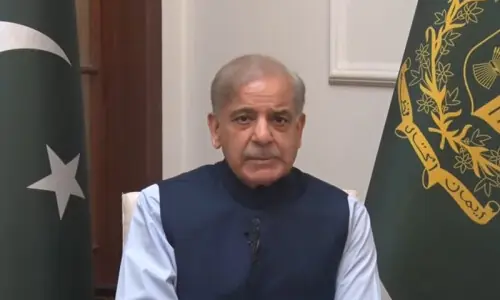
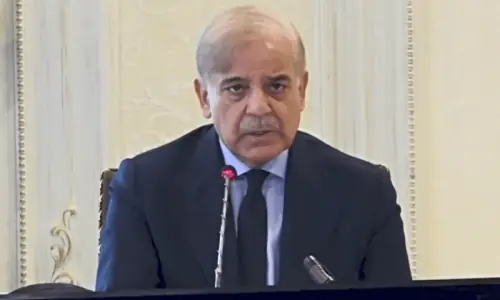
Prime Minister Shehbaz Sharif on Sunday directed to increase the levy on high-octane fuel used by luxury vehicles by Rs200 per litre.
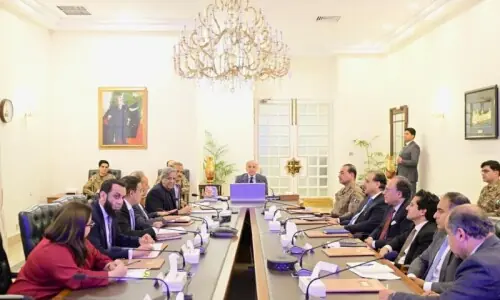
According to a handout from the Prime Minister’s Office (PMO), the development came as the premier virtually chaired a meeting on decisions regarding high-octane fuel used in “luxury vehicles”.
“The prime minister took notice that the levy on high-octane fuel used in the most expensive vehicles should be increased,” the statement said.
Therefore, PM Shehbaz decided that the levy, which was Rs100 per litre, should be increased by Rs200 per litre.
“A levy of Rs300 per litre will now be applicable on high-octane fuel used in the most expensive vehicles,” the statement said.
“This decision will save the government Rs 9 billion per month and as per the prime minister’s instructions, this will be used to provide the people with relief,” it said.
“This decision will reduce the burden on the economy; the richest class in the country will bear the burden,” it said.
“The prices of fuel used in ordinary vehicles used by the lower and middle classes have not been increased, only the price of high-octane fuel used in luxury vehicles has been increased,” the PMO said, adding that this would not cause an increase in the price of public transport or airfare.
It said that the premier had taken notice of high-octane prices and directed the ministry concerned to prepare an action plan in this regard.
Two weeks ago, the government announced unprecedented austerity measures to cope with the fuel crisis triggered by the US-Israeli war on Iran after hiking petroleum products’ prices earlier this month.
The measures included a 50 per cent cut in fuel allowance for official vehicles and a four-day work week. It was also decided that 50pc of staff in the public sector would work from home; however, those providing essential services are exempt.
On Thursday, the government had appealed to the public to adopt fuel-conservation measures to “avert the risk of petroleum products’ supply getting affected in the coming days”.
A day later, Prime Minister Shehbaz Sharif said that he had rejected recommendations for further increasing the prices of petroleum products. However, he said he had instructed relevant ministries to devise a mechanism to ensure that the “relief” was restricted to only the deserving and needy.