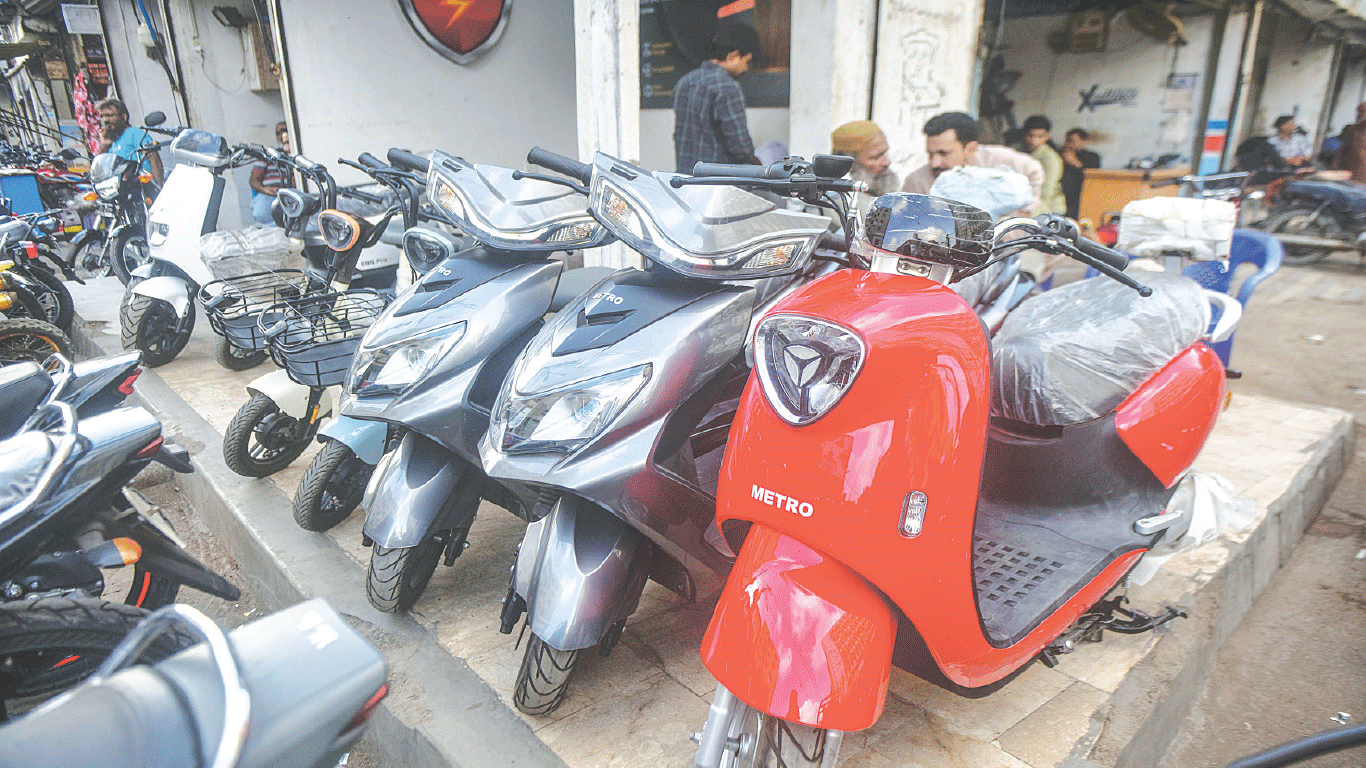
PRIME Minister Shehbaz Sharif is right in framing electric mobility as a strategic necessity in light of surging energy prices amid deepening regional instability. However, the case for transport electrification extends well beyond the current crisis. The future of transport is decisively electric — not just for urban mobility but also for freight vehicles, rail systems, etc. Around the world, economies are reorganising their transport, energy and industrial ecosystems around this shift.
For Pakistan — one of the most climate-vulnerable countries in the world — there is no viable alternative path. Electrification of transport, when combined with cleaner energy, offers a pathway to simultaneously reduce emissions, modernise infrastructure and improve urban air quality. Yet, between aspiration and execution lies a widening gap. Nearly five years after announcing ambitious EV adoption targets for 2030, progress remains slow, fragmented and policy-light. Rhetoric has outpaced readiness.
The transition to electric mobility requires a coherent policy framework that builds a full ecosystem: from charging infrastructure and grid readiness to financing, regulation and industrial incentives. Without this, EV adoption will remain limited. Claims that EVs will significantly ease Pakistan’s foreign exchange burden are also only partly valid. While reduced petroleum imports would save dollars, these gains would, in the short to medium term, be offset by higher imports of vehicles, batteries and components.
The real long-term benefit lies in localisation. Pakistan must position itself within the global EV supply chain by attracting Chinese manufacturers, who dominate battery and EV production. Integrating domestic industry into this ecosystem can lower costs, reduce import dependence, create jobs and revive the auto parts sector. Without such industrial depth, electrification risks becoming yet another import-driven shift rather than a transformative economic opportunity.
There is also another structural issue that cannot be ignored. Electrifying transport without greening the power sector risks undermining the very environmental benefits it seeks to achieve. If EVs are charged using power generated from imported fossil fuels, the emissions are displaced rather than eliminated. Therefore, the shift to electric mobility must proceed in tandem with a rapid expansion of solar and wind energy, supported by investments in battery storage to address intermittency. Only this combined transition can meaningfully reduce both emissions and the energy import bill.
Published in Dawn, April 8th, 2026