PM Shehbaz expresses displeasure at lack of functional early weather warning systems in GB
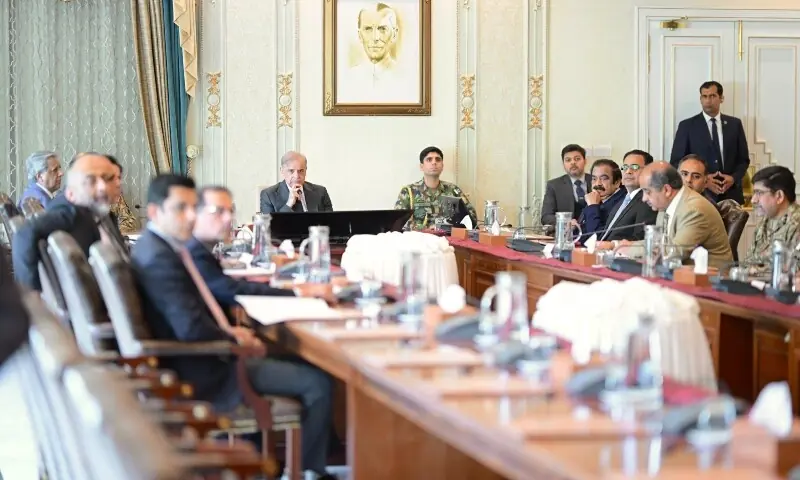

ISLAMABAD: Prime Minister Shehbaz Sharif on Thursday expressed displeasure at the lack of functional early weather warning systems for protection against climate risks in Gilgit-Baltistan and ordered an inquiry into the matter.
He issued the directive while chairing a review meeting on pre-monsoon strategy and climate preparedness.
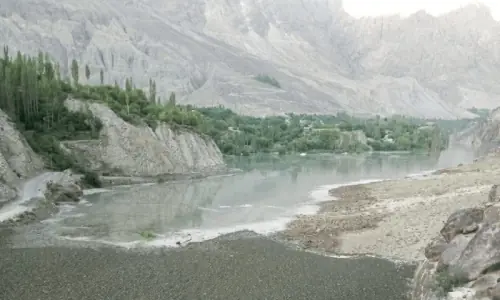
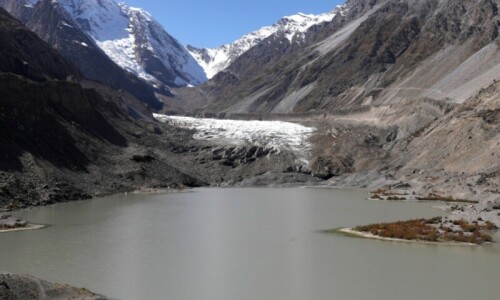
During the meeting, the premier expressed displeasure at the non-functional early warning system, particularly against glacial lake outburst floods (Glofs) in GB.
Glofs refer to the sudden release of water and debris from a glacial lake, leading to the loss of lives, property, and livelihoods in mountain communities.
Over 7.1 million people in GB and KP are vulnerable to the phenomenon, according to the Ministry of Climate Change.
PM Shehbaz ordered an inquiry into the system’s “non-functionality” and the “ineffective performance of relevant institutions, despite being given clear instructions last year”.
He asserted that “incompetence and poor performance will not be tolerated,” maintaining that the public’s protection from risks was the primary duty of the authorities, “for which they can be held accountable”.
During the meeting, PM Shehbaz noted that Pakistan was “among the countries most impacted by climate change” and tackling it required “urgent action”.
The premier directed federal institutions to cooperate with the provinces to implement policies related to climate change.
He recalled that during last year’s monsoon season, illegal encroachments on river passages led to destruction, stating that this year, “an effective strategy has been adopted to address the issue”.
PM Shehbaz urged all relevant authorities to “go above and beyond” to prevent possible flooding during the upcoming season.
He reiterated that it was “imperative” to ensure fully functional infrastructure for “digital monitoring of early warning systems”.
PM Shehbaz further directed the Ministry of Climate Change and the Planning Ministry, along with other relevant institutions, to “engage in cooperation with provinces and take effective measures”.
The meeting was also briefed by the National Disaster Management Authority, Water and Power Development Authority (Wapda) and the Climate Change Ministry.