A world of cultures comes alive at embassy fair in Washington
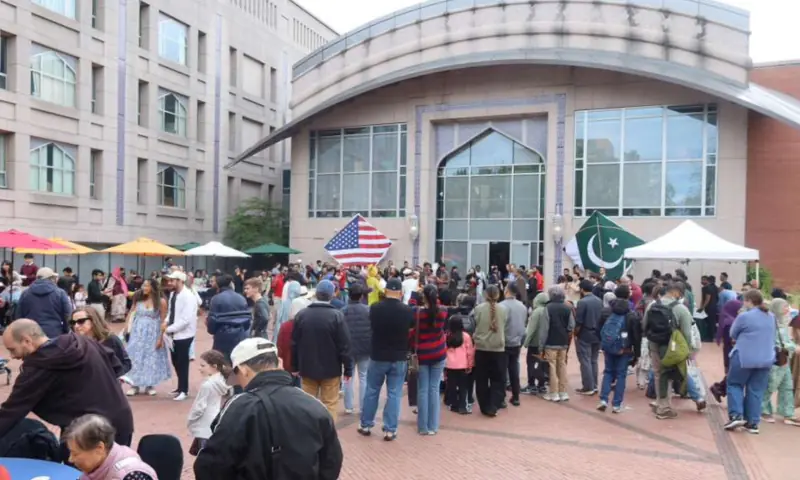

The sound of drums from the Pakistan Embassy could be heard distinctly as soon as visitors turned into International Drive, where the usually quiet diplomatic corridor had been transformed into a global fairground for the annual Passport DC “Around the World Embassy Tour”.
From early morning, crowds moved steadily along the tree-lined street, following a trail of music, aromas and colour that flowed from one embassy to the next. The dhol at the Pakistan Embassy set the tone — deep, insistent, and celebratory — cutting through the spring air and pulling visitors toward gates already filling with activity.
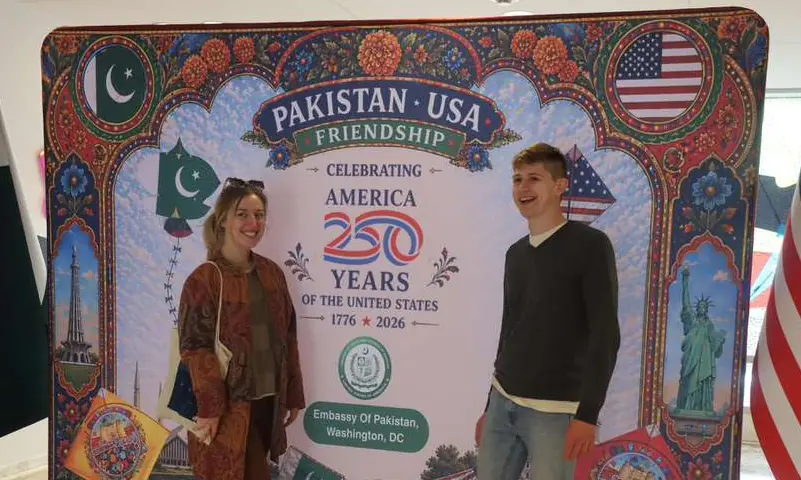
Inside the Embassy of Pakistan in Washington DC, the sensory experience was immediate. The aroma of kebabs and samosas drifted far beyond the entrance, while food trays disappeared almost as quickly as they were placed on counters.
Visitors lingered under displays of truck art, embroidered textiles, gemstones and handicrafts, while mehndi artists worked patiently on outstretched hands and calligraphers wrote names in flowing Urdu script for curious guests who watched each stroke form a language unfamiliar yet visually captivating.
A steady stream of rickshaw rides added a playful rhythm to the embassy grounds, with visitors laughing, posing for photographs, and treating the brightly decorated vehicles as moving pieces of South Asian street culture temporarily transplanted into Washington.
In the background, tabla, flute and harmonium blended into a continuous cultural score that followed visitors from hall to courtyard.
Elsewhere in Washington’s diplomatic enclave, the world unfolded in equally vivid chapters.
At the Ethiopian Embassy, the slow, ceremonial preparation of coffee drew quiet circles of observers. Beans were roasted, ground and brewed in a ritual that held visitors in place, as the rich aroma became one of the most distinctive scents of the day.
Across another courtyard, several South American embassies turned into a burst of music and dance, where salsa rhythms and live bands pulled crowds into spontaneous movement, blending performance and street celebration.
The Bangladesh Embassy offered a different but equally compelling atmosphere. Cultural performances brought the space alive with traditional music and dance, while stalls showcased handwoven textiles, jamdani fabrics, crafts and traditional Bangladeshi products.
Visitors moved between displays of heritage crafts and tables offering familiar dishes — rice-based delicacies, sweets and snacks — introducing many to flavours less known but warmly received. The mix of cultural pride and hospitality drew steady interest throughout the day.
Further along the route, the Mexican Embassy was alive with mariachi music, folkloric dance and bright costumes that swirled through courtyards in bursts of colour. The Brazilian Embassy pulsed with samba and carnival energy, while the Nigerian Embassy showcased bold fashion, Afrobeats and contemporary cultural expression.
At the UAE and Brunei embassies, a quieter elegance defined the space, with fragrances, dates, chocolates and carefully arranged displays reflecting tradition through restraint.
Together, these embassies formed a living map of global cultures, each offering a distinct rhythm yet sharing the same spirit of openness. Diplomacy, often confined to formal rooms and official language, took on a more human expression—spoken through food, music, craft and conversation.
For visitors —Washington residents, Pakistani-Americans, students and tourists from across the United States — the experience was less about observation and more about immersion.
Children tried unfamiliar foods, families paused to listen to unfamiliar music, and strangers asked questions that crossed borders without hesitation.
As afternoon light softened over the capital, the crowds thinned only slightly, with many still moving from embassy to embassy, carrying with them bags of crafts, lingering flavours, painted hands and phone galleries filled with sound and colour.
By the time the gates began to close, the diplomatic enclave returned to its usual quiet.
But for a few hours, it had been something else entirely: a place where Pakistan’s drums, Ethiopia’s coffee ritual, Cuba’s music, Bangladesh’s textiles and dozens of other cultural expressions coexisted in a single, continuous celebration of the world within Washington.