PTI slams govt after study reveals high lead levels in toddlers
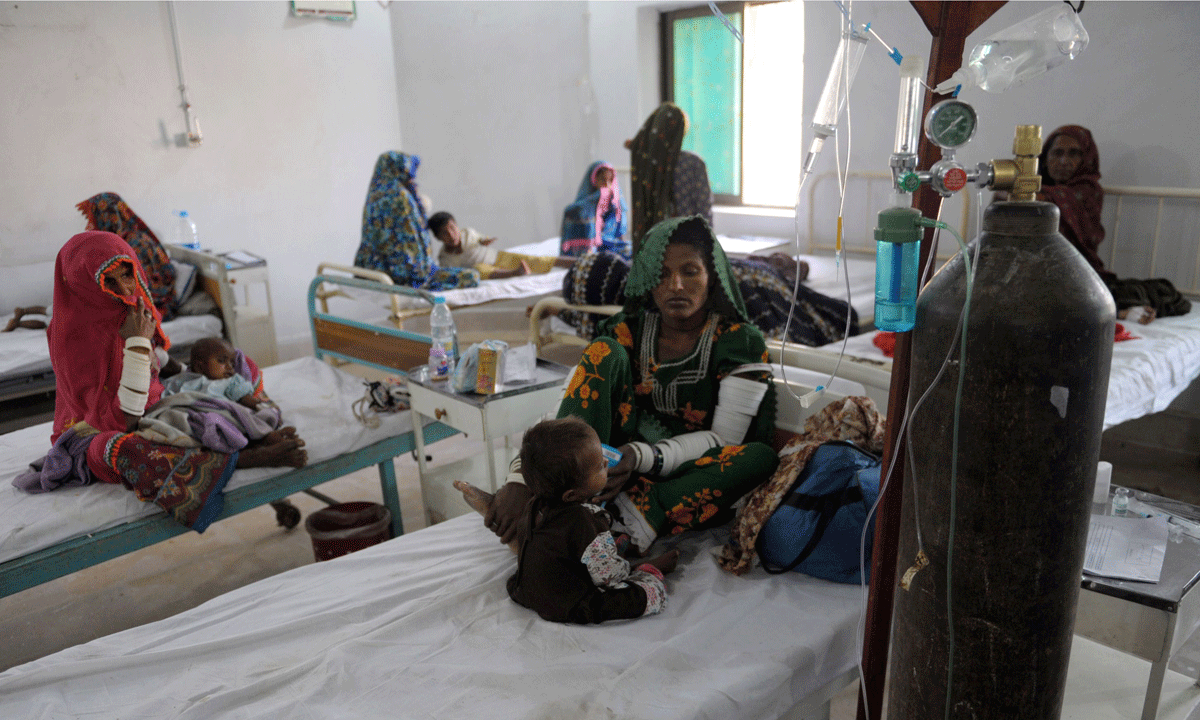

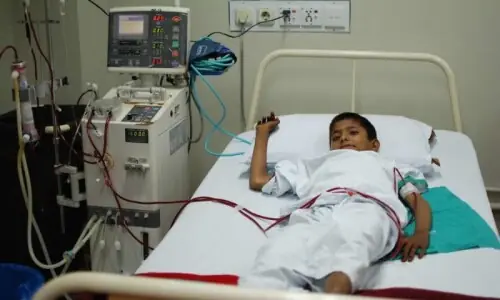
ISLAMABAD: Pakistan Tehreek-i-Insaf (PTI) has condemned the federal government following the revelation that four out of every 10 children aged 12–36 months in high-risk areas of seven major cities are carrying dangerous levels of lead in their blood.
In a statement issued by the PTI Central Media Department on Sunday, Sheikh Waqas Akram, who is party’s central information secretary, described the findings of the joint Ministry of National Health Services and Unicef study as a “national disgrace, exposing the government’s complete failure to protect the future of children”.
Mr Akram demanded immediate, concrete action from the government, including strict enforcement of environmental and health regulations, nationwide testing and treatment programs, and full accountability for those responsible for the toxic exposure. “While children in Haripur and Hattar are suffering from an alarming 88 per cent contamination rate, millions more across Karachi, Lahore, Peshawar, Quetta, Rawalpindi, and Islamabad face irreversible harm, yet those in power continue to offer nothing but empty words and hollow assurances,” he said.
He said lead poisoning was silently destroying the lives of youngest citizens, causing irreversible brain damage, permanently reduced IQ, weakened immunity, stunted growth, anemia, and lifelong health consequences.
“There is no safe level of lead exposure for children, yet the government has allowed industrial emissions, unregulated battery recycling, lead-based paints, and contaminated spices and cosmetics to poison an entire generation. Global estimates suggest the actual number of affected children could be as high as eight in ten — one of the highest rates in the world — resulting in economic losses equivalent to 6-8 per cent of the country’s GDP,” he said.
“This is not an accident. This is criminal negligence,” Mr Akram said. “The same government that claims to be ‘committed to strengthening surveillance and enforcement’ has allowed regulatory gaps, poor monitoring, and zero public awareness to persist for years.”
Published in Dawn, May 4th, 2026