
The ‘Super White’ aglaonema is a popular cultivar of the Chinese Evergreen, known for its predominantly milky-white, lance-shaped leaves with minimal green edges. While it’s a slow-growing plant — taking between two to three years to reach maturity — it requires minimal care, thriving with infrequent watering, little fertiliser and indirect rather than direct light.
Note that the Super White is toxic to humans and animals — keep it out of reach of children and pets.
As with any other plant, neglecting the Super White can lead to problems. For instance, the white portions of the plant’s leaves contain little to no chlorophyll — the green pigment essential for photosynthesis — making the plant more sensitive to light than fully green varieties. For the Super White, the right kind of light is everything — too little stunts it, too much destroys it. The Super White photosynthesises through indirect bright light. Direct sun and extreme heat can be fatal.
Direct sunlight exposure may result in leaves turning green, depriving them of the striking colour. Excessive exposure to light and scorching heat can burn the leaves entirely. Crisp, brown spots on the leaves are a warning that the plant needs to be moved to a shaded area or placed under bright light, such as LEDs or indoor lamps.
With its milky-white leaves and slow growth, the Super White thrives on a delicate balance of indirect light, minimal watering and just enough attention
One needs to be mindful that placing the plant under shade, without access to indirect or bright light, can weaken the plant, producing long, sparse stems — a condition known as legginess. In such a case, gently wipe the leaves after spraying water on them. Do this after every few days. It will remove dust settled on the leaves that may be blocking light absorption. During extremely hot summer days, keep the plant close to other plants, and use water spraying and misting near the plant to deal with humidity.
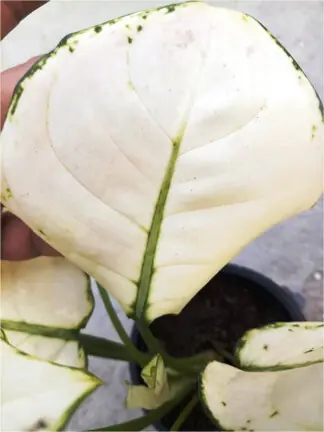
A host of issues, such as waterlogging, inadequate sunlight exposure and transplantation shock, can cause the lower two leaves of the Super White to turn yellow and, eventually, brown. Losing the lowest two leaves to yellowing and browning is common and not cause for alarm — it is the plant’s way of shedding older growth. Remove them and compost. If more leaves follow, investigate the soil, light and pests.
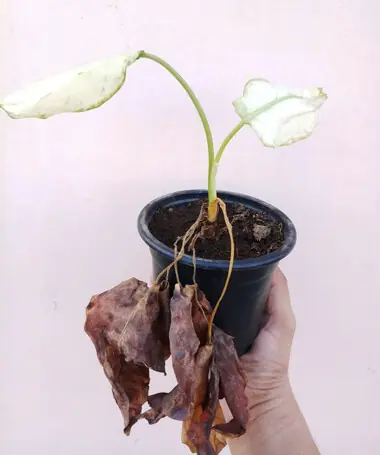
The Super White aglaonema thrives with minimal watering, once the topsoil dries up, and adequate drainage. Overwatering and waterlogging can cause root-rot and eventual death of the plant. Soft, limp or mushy leaves are among the earliest signs of overwatering. Another way to check for overwatering or waterlogging is to insert your fingertip into the topsoil to assess the wetness of the soil and act accordingly. If root-rot is suspected, remove the plant, trim affected roots, allow them to dry and repot in fresh, well-draining soil.
The presence of new colours, patterns or shades, sticky residue or white, and wool-like clusters on or beneath the leaves are telltale signs of mealy bugs or spider mites. Removing the critters manually, increasing humidity and spraying neem oil pesticide can avert possible pest attacks.
Please send your queries and emails to doctree101@hotmail.com. The writer is a physician and a host for the YouTube channel ‘DocTree Gardening’ promoting organic kitchen gardening
Published in Dawn, EOS, May 17th, 2026