University of Health Sciences introduces child nutrition in MBBS curriculum across Punjab
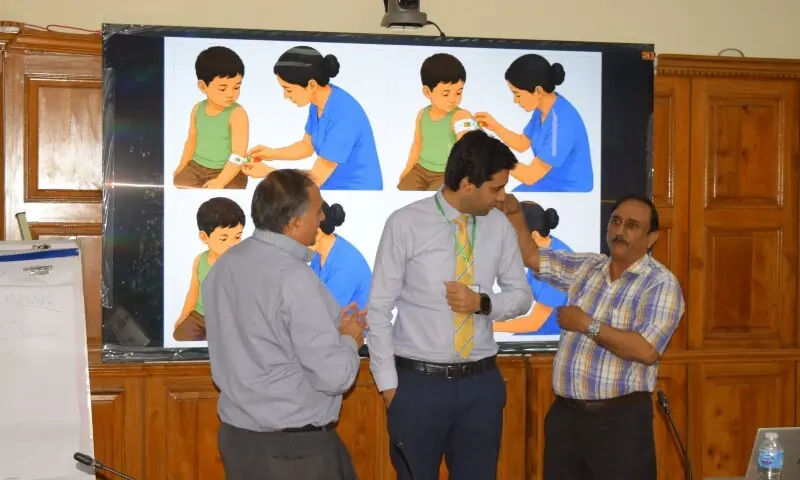

LAHORE: The University of Health Sciences (UHS) on Monday launched the first phase of a four-part capacity-building programme in collaboration with the Unicef aimed at incorporating nutrition and child health interventions into the MBBS curriculum across Punjab.
The initiative began with a three-day training workshop on community-based management of acute malnutrition (CMAM).
It was attended by medical educationists, paediatricians, public health experts and healthcare trainers from medical colleges and teaching hospitals across the province. The programme is being organised by the UHS department of international linkages.
Under the UHS-Unicef collaborative initiative, four specialised trainings will be conducted between May and June 2026 on community-based management of acute malnutrition (CMAM), infant and young child feeding (IYCF), early childhood development (ECD), and multiple micronutrient supplementation (MMS). The workshops are designed to harmonise nutrition-related teaching in undergraduate medical education in line with Unicef and World Health Organisation (WHO) recommendations.
The ongoing CMAM workshop focuses on early identification, timely treatment, referral pathways, stabilisation care, supplementary feeding, and community-based follow-up of children suffering from severe and moderate acute malnutrition.
According to WHO estimates, nearly 45 million children under the age of five worldwide suffer from acute malnutrition, while Unicef reports indicate that one in every three Pakistani children faces malnutrition or growth-related problems. Health experts say poor nutrition remains one of the leading causes of illness, stunted growth, and child mortality in developing countries, including Pakistan.
Addressing the participants, UHS Vice Chancellor Prof. Ahsan Waheed Rathore said the collaboration with Unicef reflected the university’s commitment to aligning medical education with emerging public health priorities.
He said nutrition and early childhood health could no longer remain peripheral subjects in medical training, given Pakistan’s growing burden of malnutrition and preventable childhood diseases.
Prof. Rathore further said that future doctors must be equipped not only with clinical knowledge but also with practical community-based skills to identify nutritional deficiencies at an early stage and intervene effectively. He expressed hope that the initiative would help build a stronger and more responsive healthcare system for mothers and children across Punjab.
Addressing the session, Prof. Najaf Masood, professor of paediatrics at Allama Iqbal Medical College and Jinnah Hospital, Lahore, termed acute malnutrition a “silent emergency” and stressed the need for timely screening and community-level interventions to prevent avoidable child deaths.
Prof. Dr. Shahid Mahmood Sethi, professor and former head of the department of community medicine at Allama Iqbal Medical College (AIMC) and Jinnah Hospital Lahore, who participated as a facilitator, emphasised that nutrition education must become an integral part of undergraduate medical training. He said future doctors should be equipped to understand both the medical and social determinants affecting child and maternal health.
Published in Dawn, May 19th, 2026