'The bridge between confrontation and peace': Pakistan calls for stronger mediation efforts to prevent conflicts

UNITED NATIONS: Pakistan on Monday renewed its call for restraint, de-escalation and a return to diplomacy in the ongoing Middle East crisis, saying that dialogue and mediation remain the only sustainable path to resolving conflicts.
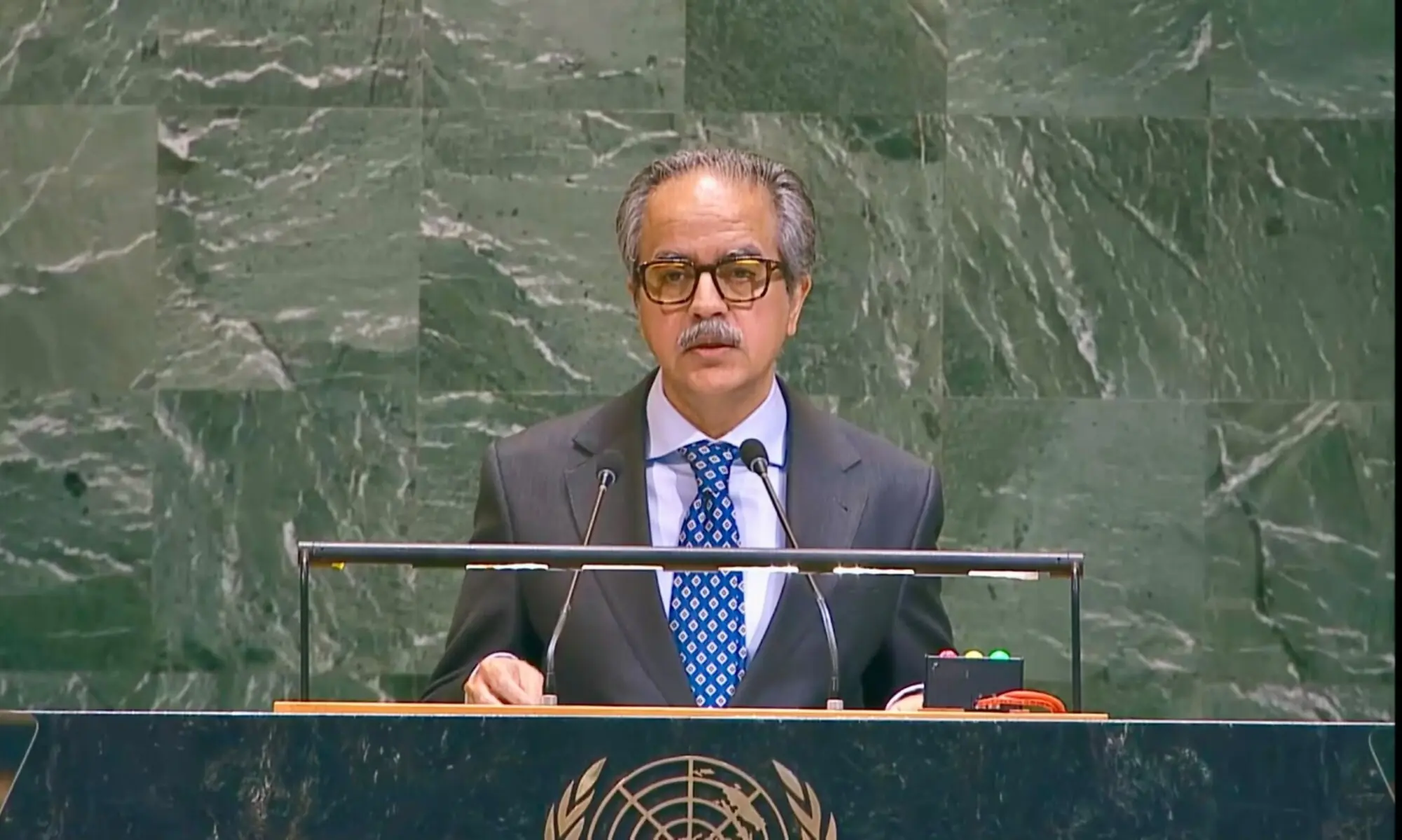
Addressing the UN General Assembly during a debate on strengthening mediation in conflict prevention and resolution, Pakistan’s Permanent Representative to the United Nations, Ambassador Asim Iftikhar Ahmad, said Islamabad had consistently advocated diplomacy in the recent tensions involving Iran and the United States.
“As a friendly neighbour of Iran, a brotherly partner of the Gulf countries, and a country with longstanding ties of amity with the United States, Pakistan continues to make sincere efforts to facilitate a durable solution for regional and global peace and stability,” he said.
The Pakistani envoy used the occasion to press for a stronger role for mediation and preventive diplomacy in addressing international disputes before they escalate into crises.
“Conflicts are not inevitable. They are often the result of diplomacy delayed, dialogue denied, and disputes left to fester,” Ambassador Ahmad told the Assembly.
“The first responsibility of the United Nations is not merely to respond to conflicts after they erupt, but to prevent them before they consume lives, regions and generations,” he said.
He noted that Pakistan’s commitment to peaceful dispute settlement was reflected in Security Council Resolution 2788, adopted unanimously in July 2025 on Pakistan’s initiative.
The resolution reaffirmed the importance of Chapter VI of the UN Charter, encouraged the use of mediation and the Secretary-General’s good offices, and underscored the role of regional and subregional organisations in resolving disputes peacefully.
Ambassador Ahmad argued that mediation should become a central pillar of international conflict prevention rather than a tool used only after violence breaks out.
“Mediation must become the guiding principle of prevention, not an instrument of crisis management,” he said.
He called for greater investment in early-warning mechanisms, quiet diplomacy, preventive engagement and the secretary general’s good offices before disputes lead to confrontation. He also stressed that mediation efforts should be anchored in international law and address the root causes of conflicts rather than merely managing their consequences.
“Lasting peace cannot be built on the denial of rights, including the right to self-determination, normalisation of foreign occupation, aggression and violation of treaties,” he said.
The envoy also urged predictable funding for the UN Mediation Support Unit and stronger partnerships between the UN and regional organisations.
Later in the day, speaking at an emergency Security Council meeting on Ukraine convened at Romania’s request, Ambassador Ahmad warned that protracted conflicts carry increasing risks of miscalculation and escalation.
He said unresolved wars often generate spillover effects and wider confrontations, a pattern that the international community was witnessing in several regions.
Referring to efforts to end the Ukraine conflict, the Pakistani envoy reiterated support for a negotiated settlement and cautioned against reliance on military solutions.
“We, therefore, see an early resumption of the United States-facilitated dialogue process as the most credible path forward,” he told the Council.
He added that military means could not deliver lasting peace and emphasised the need for sustained and meaningful negotiations.
“The true test of our commitment to peace is not how we condemn conflicts after they break out, but how proactively we prevent them in the first place,” Ambassador Ahmad said. “Mediation is the bridge between confrontation and peace.”
Pakistan has consistently maintained that dialogue, diplomacy and adherence to international law offer the only durable path to resolving international disputes, including longstanding conflicts that continue to threaten regional and international peace and security.