Climate choices

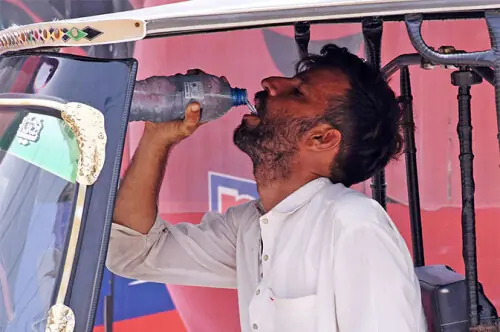
PAKISTAN is out of reasons to treat climate change as tomorrow’s problem. The Economic Survey 2025-26 reports that the country recorded its second-warmest year in 65 years in 2025, immediately after experiencing its warmest year on record in 2024. Temperatures in Azad Kashmir, Gilgit-Baltistan and KP reached their highest annual levels in decades.
These rising temperatures are accelerating glacial melt, altering monsoon behaviour and increasing rainfall variability. The country is confronting increasingly volatile weather patterns with consequences for agriculture, infrastructure, public health and economic planning.
The budget reflects a growing recognition of these realities. Climate-tagged expenditure for 2026-27 amounts to roughly Rs214bn, while green subsidies total about Rs476bn. Together, they represent nearly Rs690bn directed towards climate-related goals. The government has also outlined initiatives such as the Pakistan Climate Prosperity Plan, glacier resilience projects and efforts to improve climate financing. Yet climate policy cannot be judged solely by the size of budgetary allocations.
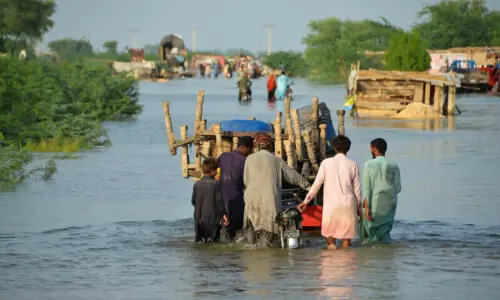
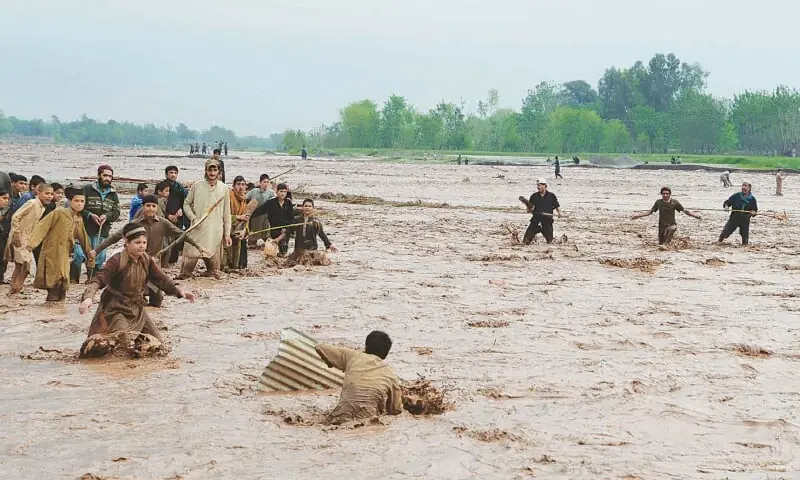
Pakistan’s most pressing risks stem from floods, heatwaves, water stress and agricultural disruption. Addressing them requires sustained investment in resilience rather than episodic post-disaster responses. Climate policy is measured not by the number of plans announced but the level of vulnerability communities are exposed to during the next extreme weather event.
Even so, difficult questions remain. The Economic Survey estimates that Pakistan will require climate-related investments of around $565.7bn by 2035. Against that benchmark, current allocations appear modest. The issue is not that climate spending is absent from the budget; it is whether the scale of spending corresponds with the scale of challenge described in the government’s own documents. A country experiencing consecutive record-warm years may need to devote a larger share of public resources to climate resilience. That is particularly true when the costs of delayed action are likely to exceed those of prevention and preparedness.
The composition of spending also deserves scrutiny. Much of the green subsidy allocation is focused in energy-related mitigation measures. While reducing emissions is important, the immediate vulnerabilities lie in adaptation. Better flood defences, stronger urban drainage systems, improved water management, climate-resilient agriculture and more effective early-warning systems will determine how successfully Pakistan navigates a warmer future.
These are investments that not only reduce losses from climate shocks but also protect economic activity and public welfare. The budget shows that climate considerations are beginning to find a place in fiscal planning. That is welcome. But two consecutive record-warm years suggest that realisation alone is not enough. The central question is whether we are investing enough, and in the right areas, to keep climate shocks from becoming an even heavier burden on development.
Published in Dawn, June 15th, 2026