THE latest exchange of fire between the US and Iran reminds us once more that ceasefires are sustained not by signatures alone but also political restraint.
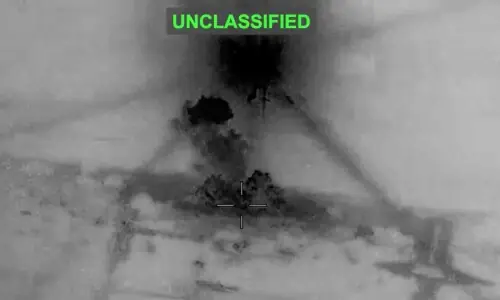
The reported US strikes, following a dispute over Iran’s actions against a commercial vessel in the Strait of Hormuz, illustrate how quickly a single incident can place the broader peace process in jeopardy. While Washington described its response as limited and consistent with preserving the ceasefire, Tehran insisted that its own actions in the Strait of Hormuz were compatible with the MoU. Yet the episode exposed just how fragile the recent agreement had become.
Rather than allowing military exchanges to dictate the trajectory of relations, both sides should now activate the deconfliction mechanism envisaged in their MoU. Its purpose is to clarify incidents, reduce the risk of miscalculation and prevent localised confrontations from escalating into a wider conflict. Countries that facilitated the process, particularly Qatar and Pakistan, along with other regional stakeholders, should intensify their diplomatic engagement to ensure negotiations remain on track.
A ceasefire that depends solely on restraint is inherently fragile; one reinforced by constant communication and active mediation stands a far better chance of enduring.
This challenge is not unique to the US-Iran dialogue. The recently announced framework agreement between Israel and Lebanon illustrates both the promise and vulnerability of diplomacy in today’s Middle East.
The agreement seeks to replace recurring conflict with phased security arrangements and greater Lebanese state authority in the country’s south. But its implementation has already encountered political resistance and remains vulnerable to renewed violence.
The lesson is clear. Diplomatic breakthroughs are only the beginning of a much longer process that demands sustained political commitment, patience and confidence-building if agreements are to survive the inevitable shocks that follow their signing. If the region is moving towards dialogue rather than confrontation, those efforts must be protected rather than undermined by every new incident.
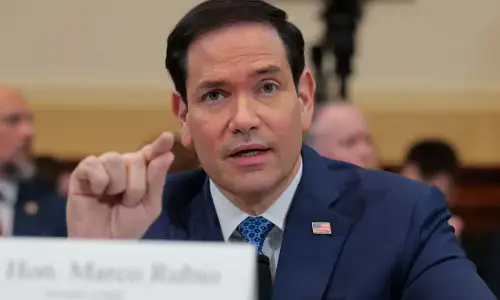
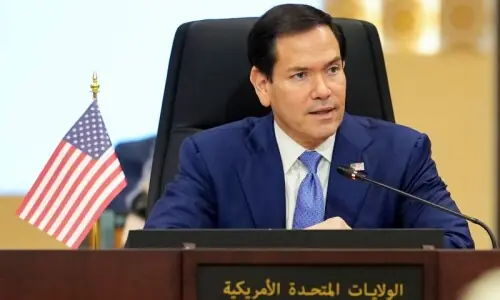
This is also why Washington’s public messaging, and its private diplomacy, matter. Secretary of State Marco Rubio’s recent assurances to Gulf allies appear intended to calm understandable concerns that engagement with Tehran will come at their expense. Such reassurance has its place, but preserving regional confidence requires more than public statements.
Behind closed doors, both Washington and Tehran must demonstrate equal determination to prevent isolated military incidents from derailing negotiations. The alternative is a return to the familiar cycle of retaliation that has left the Middle East less secure and diplomacy weaker.
The latest exchange should therefore be treated not as proof that dialogue has failed, but as a warning of how easily it could if both sides fail to show diplomatic discipline.
Published in Dawn, June 28th, 2026