Wheat crackdown pushes prices down in Sindh


HYDERABAD: Recent, albeit belated, government action against wheat hoarding has triggered a downward trend in grain prices in Sindh.
An unrelenting surge in wheat prices in the open market forced the government to pull up its socks and launch a crackdown to ensure the availability of flour at affordable prices for consumers, who are already burdened by high fuel costs.
Following the crackdown, wheat prices have fallen to around Rs10,800 per 100kg from Rs11,800 a few days earlier, according to a Hyderabad-based chakki owner.
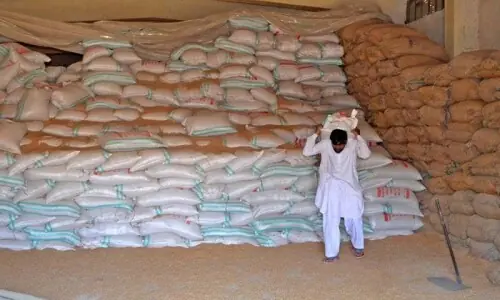
Sindh Food Secretary Ghulam Abbas Naich said: “The price of 40kg wheat has dropped from Rs4,600 to Rs4,100 in Karachi as a result of the government’s action against hoarding. The drive against hoarding will continue to recover wheat and stabilise the market.” He disclosed that the government had recovered around 85,000 tonnes of wheat during the recent operation.
100kg bag rate drops by Rs1,000 to Rs10,800
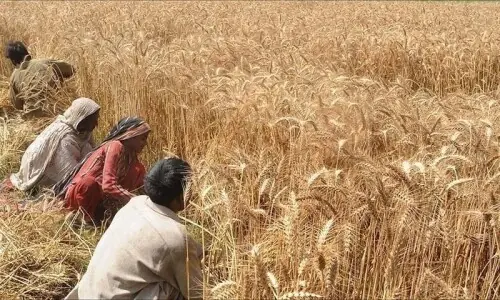
Sindh is estimated to have produced 4.8m tonnes of wheat during the 2025-26 season, according to initial estimates of the provincial agriculture department, around 1m tonnes higher than the 2024-25 output of 3.542m tonnes.
Government and market sources told Dawn on Monday that the grain had been hoarded by influential individuals who dominate the ginning, rice and flour milling sectors and have deep roots in the government. Tackling the hoarding proved a gigantic task, especially when measured against the government’s wheat procurement target of one million tonnes for the 2025-26 crop.
The food department had only around 125,000 to 150,000 tonnes of fair average quality (FAQ) carryover wheat stocks when the government decided to start procurement. “They have moved the hoarded grain from flour mills, cotton ginning, rice and dal mills,” admitted an administrative source. These were, in fact, the very forces that had driven wheat prices sharply higher in the market, he said.
“The government should focus on those mills where wheat is hoarded. Flour mill owners have to keep grain within their mills for grinding purposes, and I don’t think anyone can keep more than 30,000 to 35,000 100kg bags at a time,” said a flour mill owner.
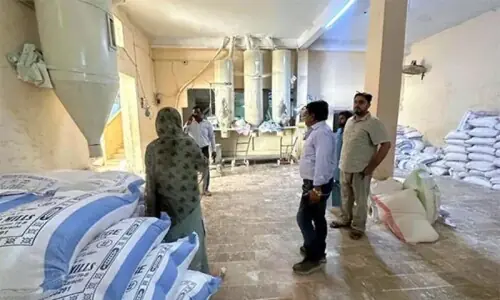
Administrative authorities raided mills — including flour mills — to recover wheat purchased at lower prices during the February-March harvest. The Sindh government had fixed the wheat support price at Rs3,500 per 40kg so that farmers who had availed themselves of the wheat subsidy could sell their crop to the government through the Benazir Hari Card.
Wheat was trading at Rs7,800 to Rs7,900 per 100kg in March, but the price rose steeply by Rs3,200 to Rs11,000-Rs11,100 per 100kg by June. In January, the Sindh food department had fixed the price of chakki flour at Rs107 per kilogram. Flour prices subsequently increased from Rs100-Rs110 per kg in March to Rs140 in May and further to Rs150 per kg in early July, prompting the government to act.
“We have fixed the wholesale price of chakki flour at Rs133 and the retail price at Rs136 per kilogram and ex-mill wholesale at Rs122 and retail at Rs125,” Hyderabad Deputy Commissioner Zainul Abiden Memon told Dawn.
He said around 10,000 bags of 100kg each had so far been recovered and intelligence-based information suggested wheat was being stored at locations other than licensed premises. He informed that wheat was traded now at Rs10,800-Rs10,900 today - down from Rs11,900 on July 1. He said stocks exceeding a mill’s permissible wheat holding limit would be treated as hoarding under the government’s decision.
What necessitated the government’s action was its failure to procure 1m tonnes of wheat from farmers. Growers had sold their produce in the open market, where prices exceeded the support price of Rs3,500 per 40kg. The government decided to begin procurement only in April, by which time farmers had already started cultivating summer crops such as cotton or paddy, depending on irrigation water availability.
The provincial food department resumed wheat procurement this year after a gap of one year. However, it managed to procure only around 80,000 tonnes.
The government normally releases wheat to flour mills and chakki owners around October, when it has stocks in its godowns, and the supply continues until the arrival of the new crop.
Published in Dawn, July 14th, 2026