
Rapid population growth is placing increasing pressure on natural resources, urban systems, and climate resilience. Today, many environmental and development challenges are intensified by population growth. From water management to food security, and from pollution to traffic and infrastructure concerns, each broader problem is exacerbated by exponential population growth.
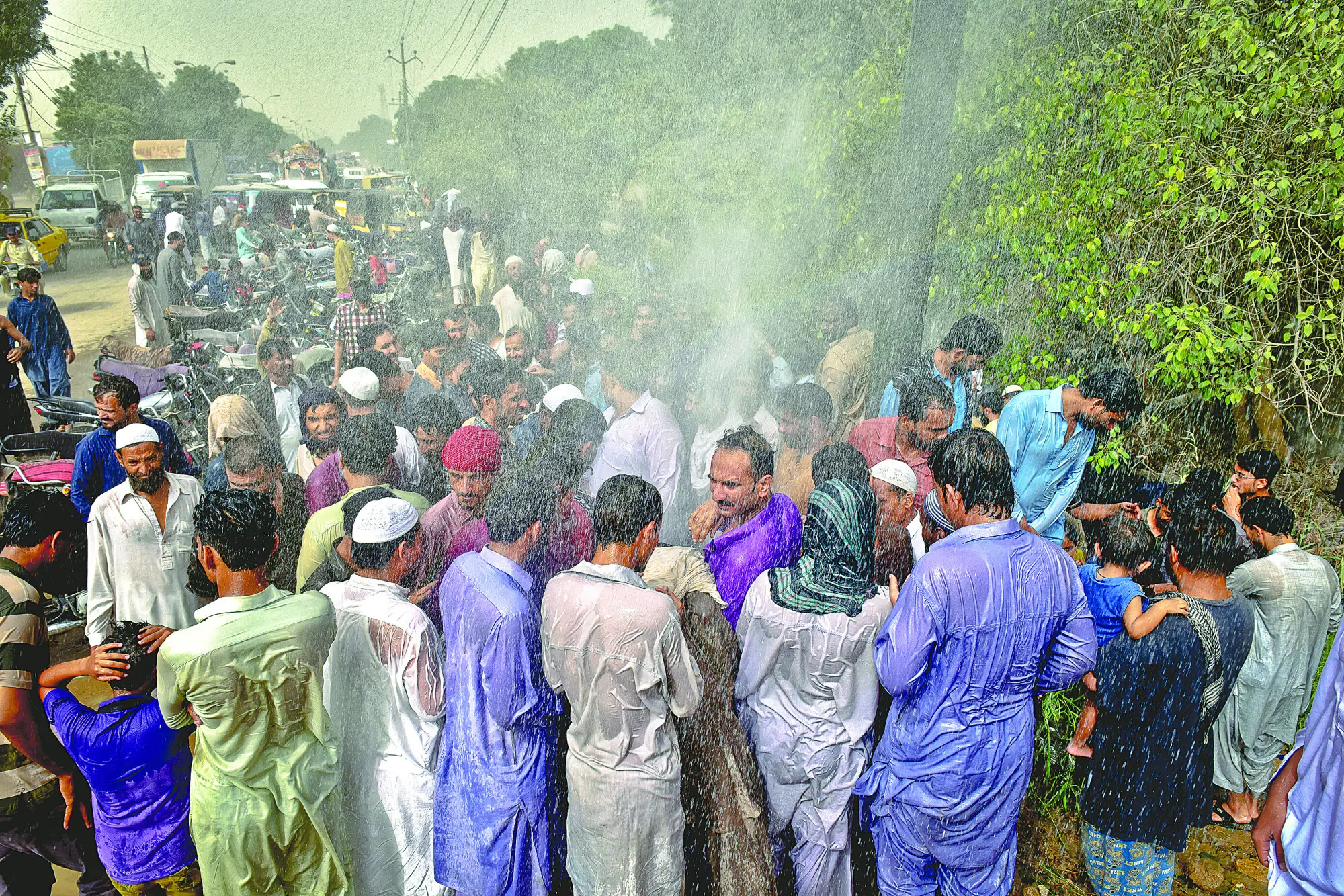
Starting with water, more people means more water extraction, stress on rivers and aquifers, and demand for clean drinking water that exceeds available supply. Aging pipelines, inadequate maintenance, and outdated management systems contribute to the growing gap between requirements and resource delivery.
Food security follows the same pattern. Population growth increases the demand for farmland, irrigable land, transport, and storage. Traditional food systems are not equipped to feed rapidly growing urban populations. The planet does not have infinite soil and water resources, making sustainable practices increasingly essential.
Pollution is another side effect of crowded cities. More people mean more vehicles, more industries, more energy and food consumption, and more waste. The volume of waste can exceed the capacity of municipal management systems, resulting in unauthorised dumping as rivers, streets, and empty plots become dumping grounds. This not only creates an unpleasant environment but also fosters unhygienic conditions and raises health concerns. Climate change magnifies these trends, turning cities into heat traps that are increasingly difficult to live in during peak summers.
In Delhi, the Ghazipur landfill has become a stark example of how long-term mismanagement can create serious environmental hazards. The towering landfill illustrates the consequences of unchecked waste generation and inadequate waste management.
Then there is infrastructure. The current structure of cities, from roads and bridges to healthcare and housing, is not designed to carry such a large population. This shortcoming is reflected in daily traffic jams, power outages, flooded streets, overwhelmed hospitals, and the rising cost of living in major cities. In Pakistan, even well-developed housing societies often struggle with flooding and drainage challenges during the monsoon season, highlighting the need for more climate-resilient urban planning.
When systems are forced to accommodate far more people than they were designed for, strain on services and infrastructure becomes increasingly difficult to avoid.
One approach to addressing these challenges is the development of smart cities. Smart cities use efficient resource systems and thoughtful urban planning to better manage the pressures of growing populations. They are built on three foundational elements: digital connectivity, sustainable urban design, and effective governance.
Digital connectivity refers to the use of technology and data to help cities detect problems early, improve service delivery, and enhance urban resilience. For water management, smart cities can use sensors to detect leaks and incorporate systems for recycling wastewater, harvesting rainwater, and managing water supply more efficiently. This helps preserve limited water resources and improves the efficient distribution of clean water.
Sustainable urban design includes energy-efficient cooling systems and green buildings to reduce heat without overloading the power grid. Energy systems can respond to real-time demand, improving overall efficiency. Smart cities can also help improve food security while incorporating waste reduction strategies. Vertical farming, better food management, and more efficient distribution can help cities meet growing demand while reducing food waste.
Modern infrastructure also plays an important role. Smart traffic lights, underpasses, flyovers, and roundabouts can reduce congestion. Electric public transport can help reduce air pollution and ease pressure on road networks. Green corridors and urban forests help lower urban temperatures and mitigate the urban heat island effect.
Finally, efficient governance enables faster, data-informed decision-making.
Population growth places increasing pressure on systems that were never designed to accommodate such large numbers of people. As cities continue to expand, smart city planning can play an important role in helping accommodate growing populations while reducing environmental impacts.
As Antoine de Saint-Exupéry said, “For the future, our task is not to foresee it, but to enable it.” If humanity wants a future that is safe, breathable, and functional, in fact, a future at all, this shift is becoming increasingly important for building resilient cities.
Editor’s Note: This article is part of the Breathe Pakistan Blogs series. The views and opinions expressed in this article are those of the author and do not necessarily reflect the views of Breathe Pakistan or Dawn.